
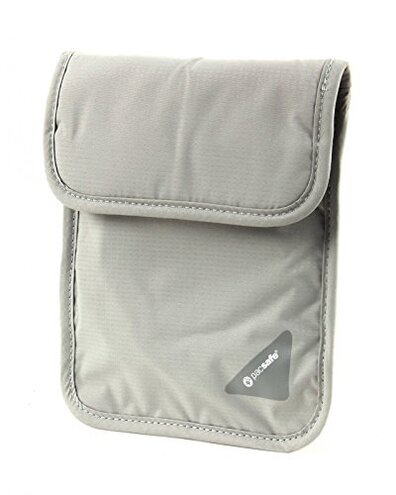
Product evaluated: Pacsafe Coversafe X75 Anti-Theft RFID Blocking Neck Pouch, Neutral Grey
Related Videos For You
Rick Steves Moneybelts
Undercover Neck Wallets | Eagle Creek
Data basis: This report summarizes dozens of aggregated buyer accounts gathered from a mix of written ratings and photo-backed comments, plus some Q&A-style feedback where shoppers describe real trips and daily carry. Most of the usable detail came from longer written notes, with supporting context from short follow-ups. Feedback was collected across a multi-year span from 2016 through recent listings activity.
| Buyer outcome | Pacsafe Coversafe X75 | Typical mid-range neck pouch |
|---|---|---|
| Wear comfort | Higher chance of strap annoyance during longer wear | Moderate comfort, fewer “feel-it-all-day” complaints |
| Under-clothes stealth | More likely to print or bunch with certain tops | Usually flatter, but less theft-resistant |
| Access speed | Slower access due to security-first design choices | Faster grab-and-go access |
| Capacity reality | Tighter fit once you add passport + cards + phone | More forgiving storage, less stuffing |
| Regret trigger | “Secure but uncomfortable and fiddly” during travel days | Less secure, but fewer daily friction points |
Top failures
Does it feel annoying on your neck after an hour?
Regret moment: you buy it for peace of mind, then you keep adjusting it while walking, waiting in lines, or sitting on a plane.
Severity: this is among the most common frustration themes because it turns a “set it and forget it” item into a constant reminder.
Pattern: discomfort is recurring but not universal, and it shows up most during long wear days.
- Early sign: the strap feels noticeable even when the pouch is lightly loaded during first use.
- When it hits: irritation tends to build during all-day touring or airport days with frequent standing and walking.
- Worsens with: heavier contents like passport plus multiple cards, because the pouch can pull and shift during movement.
- Category contrast: many mid-range pouches are less secure, but they are often more forgiving for comfort during long sessions.
- Mitigation: buyers report better results by wearing it over a soft layer or adjusting it higher to reduce bounce.
- Fixability: comfort is only partly fixable because the security-first strap behavior is the point of the product.
- Hidden requirement: it works best if you accept frequent fit tweaks instead of expecting “set and forget.”
Will it fit what you actually carry, or feel cramped?
Regret moment: you try to pack your passport, cards, and a phone, and the pouch starts to feel tight and awkward to close.
Pattern: capacity complaints are a primary issue that appears repeatedly, especially from people using it as a mini-wallet replacement.
Category contrast: in this category, “passport fit” is normal, but the frustration is higher here because the pouch can feel less flexible once you add everyday extras.
- Reality check: it fits passports and cards, but gets fussy when you add bulkier items during daily use.
- Worsens when: you load it before leaving the hotel, then need quick access on the street while it is stuffed.
- Friction point: tight packing can slow down access, which is more disruptive at checkpoints and ticket gates.
- Trade-off: the secure, compact profile can mean a smaller usable space than you expect from the listed dimensions.
- Workaround: carry only core documents inside, and keep phone elsewhere to avoid overstuffing.
- Not universal: minimalists report fewer issues because they do not push the pouch to its limit.
Does “discreet” actually stay discreet under clothing?
Regret moment: you wear it under a shirt, then notice it prints or shifts when you bend, sit, or reach.
Severity: this is a secondary issue that becomes a bigger deal in hot climates where you cannot hide it under layers.
Pattern: visibility and bunching show up repeatedly in travel-context feedback, but depend heavily on clothing choice.
- When it shows: printing is most obvious during sitting and standing transitions, like cafés, trains, and taxis.
- Worsens with: fitted tops and thinner fabrics, where edges and contents become more visible.
- Category contrast: many mid-range pouches can also print, but buyers describe this one as less forgiving once loaded.
- Impact: you may stop wearing it under clothes, which undercuts the theft-avoidance goal.
- Mitigation: keep the pouch flatter by limiting hard items and spreading cards rather than stacking.
Is access too slow when you need your passport now?
Regret moment: you are at a counter or gate, and the pouch feels fiddly compared with a simple wallet or sling.
Severity: it is less common than comfort complaints, but it is more disruptive when it hits because it happens in public, under time pressure.
Pattern: access friction is a persistent theme during travel days with repeated open-close cycles.
- When it happens: during repeated access moments like hotel check-in, transit tickets, and border control.
- Worsens with: overstuffing, because items wedge and you need extra steps to repack.
- Category contrast: most mid-range alternatives trade some security for quicker access, which feels better for frequent stops.
- Buyer workaround: keep the pouch for storage and use a separate small wallet for daily payments.
Illustrative excerpts (not real quotes)
- Illustrative: “I kept adjusting the strap all day, and it got annoying fast.” Primary pattern tied to comfort during long wear.
- Illustrative: “Passport fits, but once I add my phone it becomes a tight mess.” Primary pattern tied to cramped capacity under real loads.
- Illustrative: “Under my shirt it still showed when I sat down.” Secondary pattern tied to printing with certain clothing.
- Illustrative: “Secure, but too slow when I had to show documents quickly.” Secondary pattern tied to access friction at checkpoints.
- Illustrative: “Works only if I keep it very minimal and adjust it often.” Edge-case pattern tied to strict packing and fit habits.
Who should avoid this
Comfort-first travelers who want something they can forget they are wearing should avoid it, because strap annoyance is a primary recurring theme.
One-pouch packers who expect passport, cards, and phone to fit comfortably should avoid it, because capacity frustration appears repeatedly during real packing.
Hot-weather travelers wearing light clothing should be cautious, because discreet carry can become harder when printing shows during sitting and walking.
Frequent-access users should skip it, because access can be slower than mid-range alternatives during time-pressure moments.
Who this is actually good for
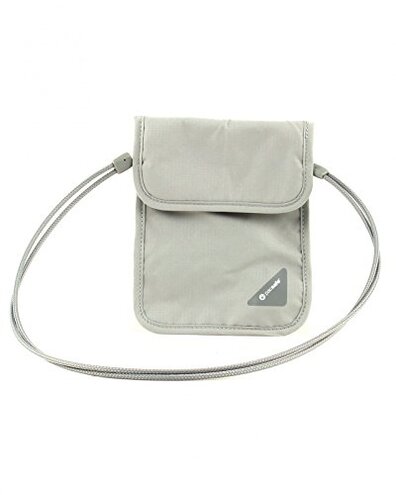
Minimalists carrying only a passport and a few cards can do well, because they avoid the cramped capacity failure.
Security-priority travelers who accept extra steps at checkpoints can tolerate the slow access trade-off.
Layered-clothing users can reduce printing, because a light outer layer makes the pouch less visible.
Short-duration use works better, because comfort complaints intensify during all-day wear rather than quick outings.
Expectation vs reality
- Expectation: reasonable for this category is “wear it under clothes and forget it.” Reality: comfort and strap feel can stay noticeable during long days.
- Expectation: “It fits a passport, so it should fit my daily essentials too.” Reality: adding phone or bulk can feel tight and slow.
Expectation: “Discreet” means it will not show in normal movement. Reality: printing can appear during sitting and bending with thinner clothing.
Safer alternatives
- Choose comfort: look for a neck pouch known for a softer strap if you plan all-day wear, which targets the main comfort regret.
- Size up: pick a slightly larger pouch if you must carry a phone inside, which reduces the cramped, fiddly access problem.
- Go flatter: favor designs with a thin profile and better load spread to reduce under-clothes printing.
- Split carry: consider a small wallet plus hidden pouch, which removes the checkpoint access friction while keeping documents stored.
The bottom line
Main regret is that security features can bring comfort and access friction that shows up during long travel days.
Category risk feels higher than normal because the annoyance can be recurring, not a rare defect, and it changes how often you use it.
Verdict: avoid if you want a comfortable, quick-access neck pouch, and consider it only if you prioritize security and pack very light.
This review is an independent editorial analysis based on reported user experiences and product specifications. NegReview.com does not sell products.