
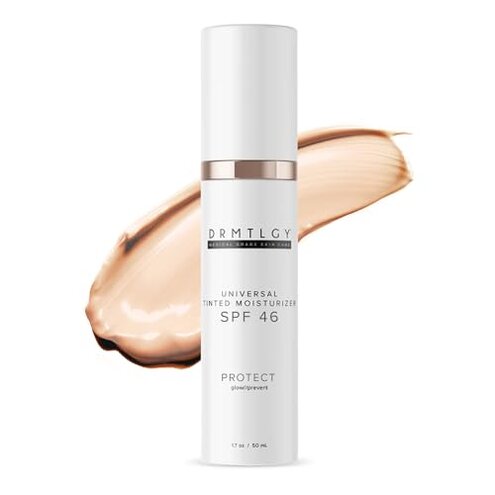
Product evaluated: DRMTLGY Anti-Aging Tinted Moisturizer SPF 46 – Sheer Face Sunscreen & Lightweight Makeup with Broad Spectrum UV Protection – Hydrating Skin Care & Face Moisturizer – 1.7 oz
Related Videos For You
One of the best tinted sunscreen which you have to try #tintedmoisturizer #tintedsunscreen #musttry
New TINTED Sunscreen from NATURIUM! All About Dew Glow Tinted Moisturizer SPF 50+
Data basis: This report reflects dozens of aggregated buyer feedback items collected from written reviews and photo/video-style demonstrations over a multi-month window ending in early 2026. Most signals came from written, day-to-day wear notes, with supporting context from wear-check media showing finish and color changes under different lighting.
| Buyer outcome | DRMTLGY tinted moisturizer SPF 46 | Typical mid-range tinted SPF |
|---|---|---|
| Shade match ease | Riskier because “one-sheer-tone” can still read off on many faces | Safer due to more forgiving undertone options |
| Finish control in real life | Higher shine risk on combo and oily areas during daily wear | More predictable satin-to-natural results |
| Wear longevity | Less forgiving with sweating, reapplication, and mask/glasses rub | More stable with basic touch-ups |
| Sensitivity potential | Notable risk for stinging or breakouts for some users | Lower complaint rate in comparable everyday formulas |
| Regret trigger | Looks wrong by midday, then needs extra steps to “save” it | Minor tweaks usually fix it |
Top failures
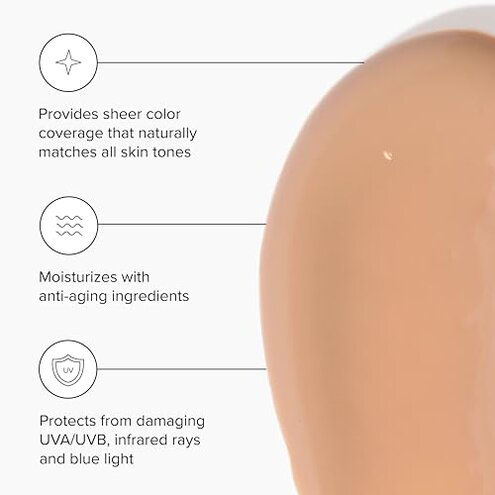
“Why does it look orange, gray, or ‘off’ on me?”
Regret moment: You apply it for an easy no-makeup day, then catch your face in a window or car mirror and the tone looks wrong.
Severity: This is among the most common complaint themes, and it’s more disruptive than patchy wear because it’s visible from the start.
Pattern: The mismatch is recurring but not universal, and it shows up across different lighting reports.
Usage context: It often shows on first use, then looks worse after a few hours as natural oils and sunscreen sheen come through.
Category contrast: Many mid-range tinted SPFs have multiple undertones, so a “universal blend” claim can feel less forgiving than expected.
- Early sign: The tint looks fine indoors but turns odd in daylight.
- Primary tier: Shade mismatch appears repeatedly as a top reason for returns and regret.
- Undertone drift: Some buyers describe a pull toward orange or gray once it sets.
- Blend trap: Blending more can make coverage thinner without fixing the tone.
- Fix effort: People report needing bronzer, concealer, or mixing with another base to correct it.
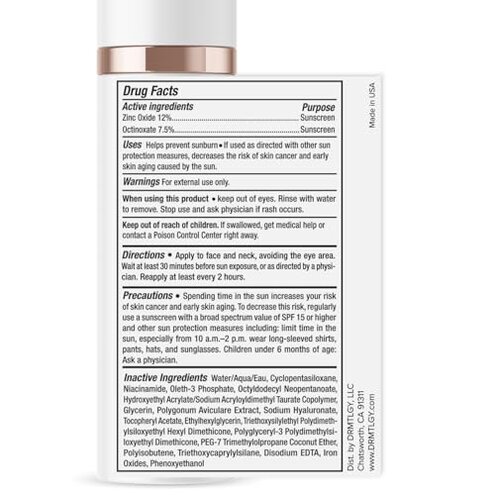
- Hidden requirement: A good match can depend on your primer, moisturizer, and how much you apply for real SPF use.
- Mitigation: Many reduce regret by doing a half-face test and checking in outdoor light before committing.
“Why am I so shiny so fast?”
Regret moment: You want a healthy glow, but by midday your T-zone looks like a slick sheen and makeup starts sliding.
Severity: This is a primary issue for combo-to-oily skin, and it creates more upkeep than most mid-range tinted SPFs.
Pattern: The shine problem is persistent in repeated wear reports, especially in warm weather or long workdays.
Usage context: It tends to show after 2–4 hours of normal movement, and worsens with sweating, humidity, or frequent face-touching.
Category contrast: Tinted SPF can be dewy, but this one is reported as less controllable without powder and blotting.
- Timing: Shine complaints show up during daily wear, not just at application.
- Primary tier: Oil-through and glare are commonly reported in buyer wear notes.
- Texture shift: The finish can go from “glowy” to greasy as skin oils mix in.
- Transfer risk: Users mention more rub-off onto masks, collars, and phone screens when it stays tacky.
- Extra steps: Many end up adding setting powder or blotting, which defeats the “one-and-done” appeal.
- Reapply friction: Reapplying for sun protection can make it look thicker or more reflective.
- Mitigation: A thin layer plus targeted powder helps some, but it adds routine complexity.
- Fixability: If your skin is already shiny, the risk is hard to avoid without switching finishes.
“Why is my skin reacting or breaking out?”
- Regret moment: You buy it as a “safe daily” product, then notice stinging, redness, or bumps after a few uses.
- Secondary tier: Sensitivity and breakouts are less universal than shade issues, but more frustrating when they happen.
- Usage window: Reports often mention reactions after repeated use rather than the very first application.
- Worsens with: Problems show up more during daily wear when layered with other skincare or when reapplied.
- Category contrast: Many mid-range tinted SPFs are still hit-or-miss, but buyers describe this as surprisingly reactive for a “hydrating” daily base.
“Why does it pill, streak, or emphasize texture?”
- Regret moment: You want a quick smoothing layer, but it starts balling up or catching on dry patches.
- Secondary tier: Pilling and streaking appear repeatedly, especially among buyers who layer skincare underneath.
- When it hits: It tends to happen during application and gets worse with rubbing to “fix” it.
- Worsens with: Heavier moisturizers, silicone-y primers, or rushed blending can increase roll-up and unevenness.
- Category contrast: Some pilling is category-normal, but the regret comes from the extra steps needed to make it behave.
- Workaround: Let skincare set, use a thin layer, and apply by patting, but that’s a hidden time cost.
- Fixability: If you need richer prep for dry skin, the pilling risk can be hard to eliminate.
Illustrative excerpts (not real quotes)
- “Looked fine at home, then I saw the orange tint outside.” Primary pattern: recurring shade shift in daylight.
- “By lunch I’m shiny and it’s sliding around my nose.” Primary pattern: persistent dewy-to-greasy wear.
- “It started stinging on day three and I got little bumps.” Secondary pattern: sensitivity after repeated use.
- “It pills over my skincare unless I wait forever.” Secondary pattern: layering friction and roll-up.
- “Reapplying makes it look heavier instead of natural.” Edge-case pattern: reapplication compounding texture.
Who should avoid this
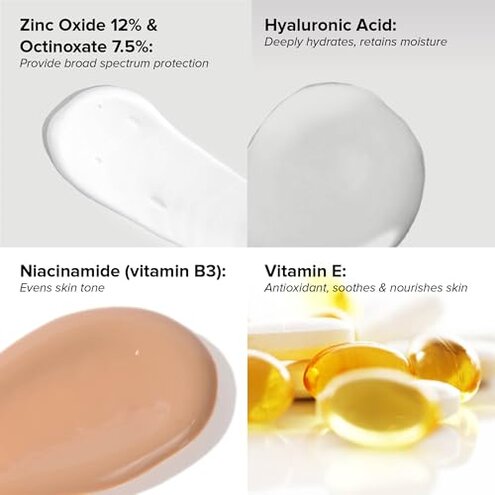
- Oily skin buyers who hate blotting or powder, because shine control is a primary repeated complaint.
- Hard-to-match undertones, because the “universal” tint is a top regret trigger when it reads off in daylight.
- Sensitive or acne-prone users who cannot risk trial-and-error, since reactions are persistent for a subset of buyers.
- Layering routines with serums and rich moisturizers, because pilling is a secondary but recurring failure.
Who this is actually good for
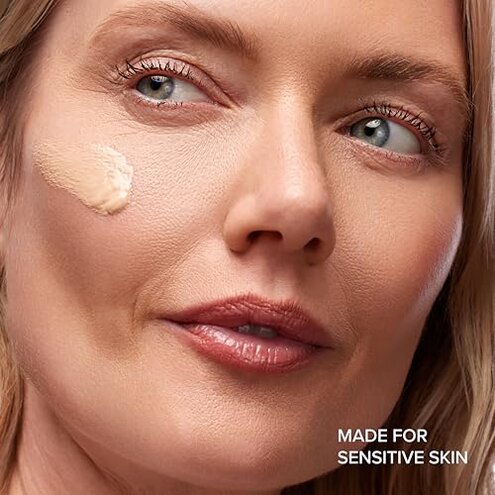
- Normal-to-dry skin that likes a visible glow and can tolerate some transfer.
- Minimal makeup routines that use one light layer and don’t require frequent reapplication.
- Flexible shade needs where “close enough” is fine, since the tint match is not universal.
- Patient applicators willing to wait between skincare and base to reduce pilling.
Expectation vs reality
| Expectation | Reality |
|---|---|
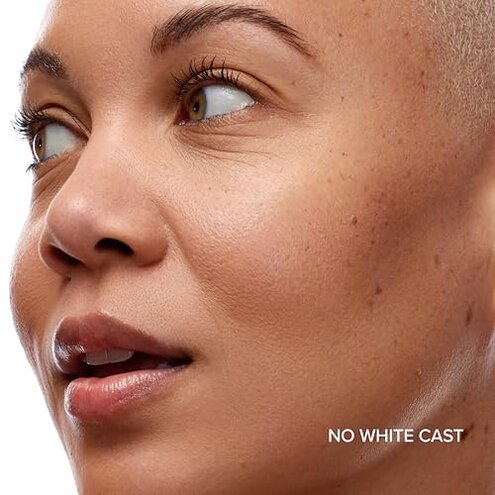
| Reasonable for this category: a tint that looks close on most people | Worse than expected: mismatch shows up repeatedly in outdoor light and after a few hours |
| Quick morning step with SPF and light coverage | Extra steps commonly needed: powder, mixing shades, or careful prep timing |
| Dewy finish that reads “healthy” | Shiny finish for many, especially in heat or long days |
Safer alternatives
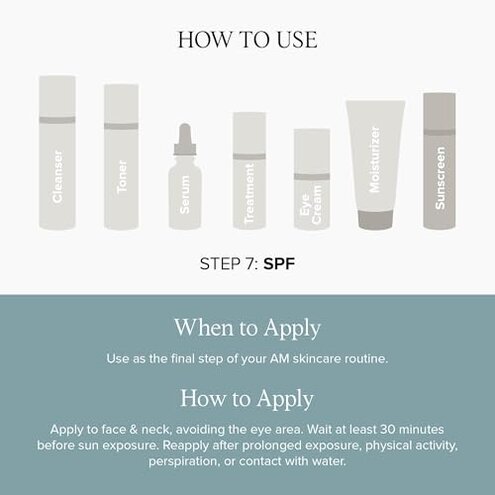
- Choose shade ranges: Pick a tinted SPF with multiple undertones to reduce the daylight mismatch risk.
- Pick a satin finish: If shine is your trigger, choose “natural” or “matte” options to avoid the midday slick problem.
- Use separate products: Use a dedicated sunscreen plus a light base to avoid the reapplication buildup issue.
- Prioritize compatibility: If you layer skincare, look for formulas known to resist pilling with common moisturizers.
- Patch-test first: If you react easily, trial on one cheek for several days to catch sensitivity before full-face use.
The bottom line
Main regret comes from the tint and finish looking “off” in real life, then requiring extra steps to correct.
Higher-than-normal risk shows up in repeated reports of shade mismatch and fast shine, which is more upkeep than most mid-range tinted SPFs.
Verdict: Avoid if you need reliable color match, oil control, or zero-fuss layering in a daily SPF base.
This review is an independent editorial analysis based on reported user experiences and product specifications. NegReview.com does not sell products.