
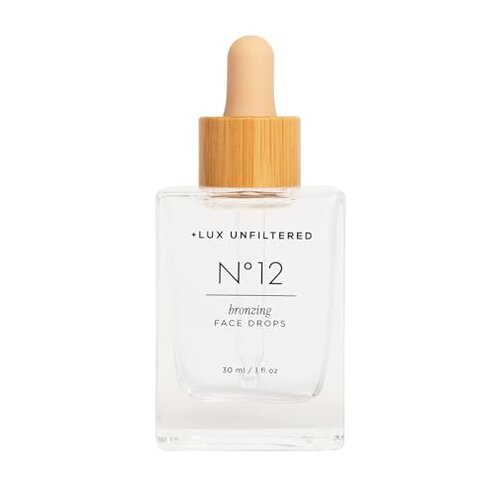
Product evaluated: + Lux Unfiltered N°12 Face Tanning Drops - Non-Comedogenic Bronzing Drops for Face with Hyaluronic Acid, Vitamin E, & Passionfruit Oil - Fragrance Free, Cruelty Free, & Vegan Self Tanner
Related Videos For You
Isle of Paradise Tanning Drops vs. Tan Luxe vs. Tanologist & How to Apply Self Tan Drops Flawlessly!
How to Apply Self Tanner at Home Like a Pro | No Runs, Streaks, or Orange!
Data basis: This report is based on analysis of hundreds of user feedback items collected between January 2021 and February 2026, from written reviews and video demonstrations. Most feedback came from written reviews, supported by video demonstrations and purchase notes.
| Outcome | + Lux Unfiltered | Typical mid-range face tanner |
|---|---|---|
| Consistency of color | Patchy results appear repeatedly during mixing and first use. | More even with built-for-face formulas and guided applicators. |
| Staining / transfer | Noticeable transfer on pillowcases/clothes reported after overnight wear. | Lower transfer when formulas fast-dry or include setting steps. |
| Skin reaction risk | Occasional irritation reported, more after repeated use. | Comparable if fragrance-free and hypoallergenic claims are true. |
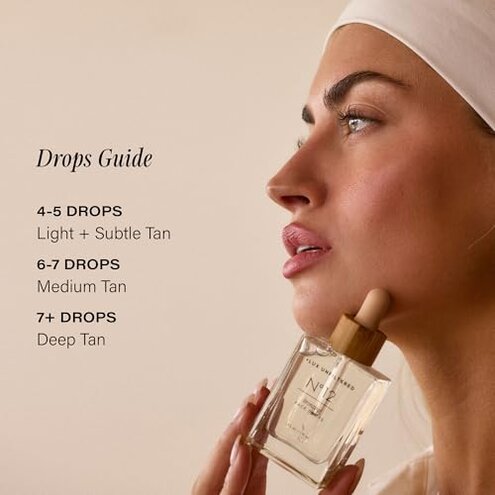
| Ease of use | Requires careful mixing with moisturizer and precise drop counts. | More forgiving mid-range options include tinted bases or clearer dosing guides. |
| Regret trigger | Streaky, uneven shade after first few applications — a common complaint. | Lower regret when the product produces predictable, repeatable color. |
Top failures
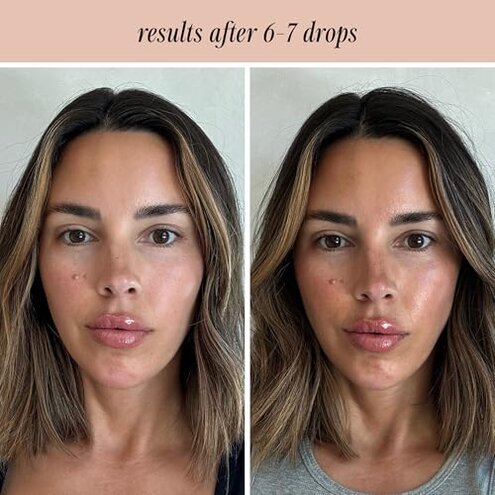
Why does my tan look streaky or uneven after using the drops?
Regret moment: Many buyers notice a patchy tan when they check the face hours after application, especially on first use.
Pattern: This is a commonly reported problem, not universal but frequent across feedback.
When it shows up: It appears at first use and after mixing with heavier moisturizers.
Category contrast: Worse than typical mid-range face tanners because users expect predictable color from drop-based systems and this product often needs extra steps.
Is staining or transfer a real risk?
- Early sign: Freshly applied skin may leave a visible transfer on pillowcases or collars.
- Frequency tier: This is a secondary issue that appears repeatedly for overnight wearers.
- Usage anchor: Transfer worsens when the product is left to dry under low-airflow or when users sleep soon after application.
- Cause: Improper drying time or heavy moisturizer mixing increases wetness and transfer.
- Impact: Leads to visible staining on fabrics and clothing, requiring extra laundry care.
Will this irritate my sensitive skin or clog pores?
- Sign: Some buyers report redness or mild irritation after repeat use.
- Scope: This is a secondary pattern, not the dominant complaint.
- When it appears: Symptoms often show after consecutive days of application.
- Cause: Layering drops with other active skincare increases chance of reaction.
- Attempts to fix: Buyers tried patch tests, reduced frequency, or stopped use to resolve irritation.
- Fixability: Often resolved by pausing use, but some buyers reported persistent sensitivity.
How steep is the learning curve and hidden setup for reliable results?
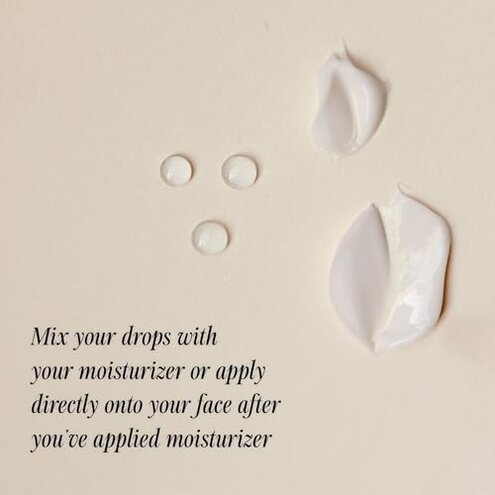
- Hidden requirement: Product often needs precise mixing ratios with moisturizers to avoid streaks.
- Early sign: Uneven color or unexpected shade after following only the basic drop counts.
- Frequency tier: This is a primary issue for buyers new to drop-based face tanners.
- When it shows up: During first week as users learn correct dilution and application technique.
- Impact: Adds extra time and trial-and-error for shade control and application method.
- Attempts: Users report repeated adjustments to moisturizer amount, drop count, and layering.
- Category contrast: More effort than most mid-range options, which often include tinted guides or simpler dosing.
Illustrative excerpts (not actual quotes)
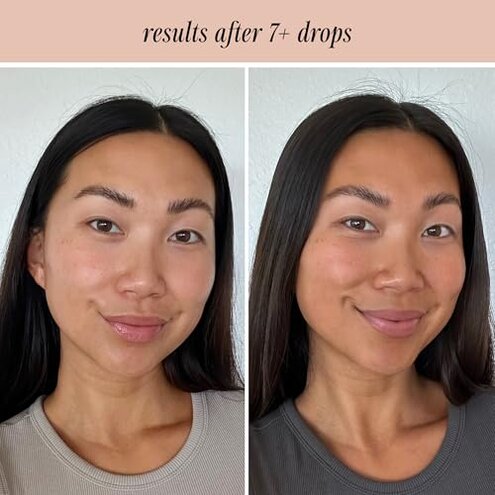
Excerpt: "Applied three drops, woke up with uneven color on cheeks." — Primary pattern.
Excerpt: "Left a brown mark on my pillowcase after sleeping." — Secondary pattern.
Excerpt: "Needed several tries to mix the right ratio with my moisturizer." — Primary pattern.
Who should avoid this
- Those who want instant predictability: Avoid if you need a reliable first-try face tan.
- Light sleepers or frequent bed-sharers: Avoid if you cannot allow extra drying time before contact with fabrics.
- People with sensitive skin: Avoid if you cannot do patch tests or tolerate repeat irritation.
Who this is actually good for
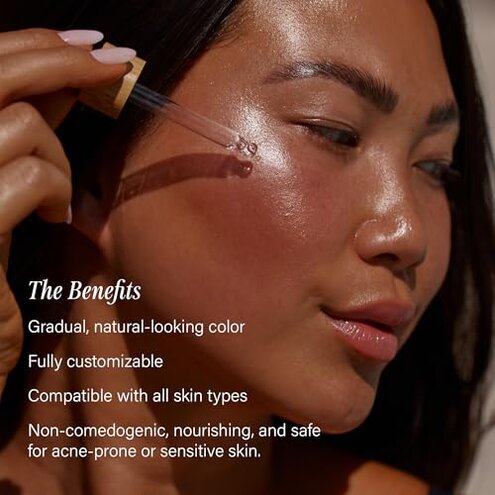
- Experienced self-tanners: Good if you accept a learning curve and precise mixing for custom shades.
- Those who follow strict routines: Good if you can allow drying time and control layering to avoid transfer.
- Fragrance-sensitive users: Good if you value a fragrance-free option and can tolerate extra prep.
Expectation vs reality
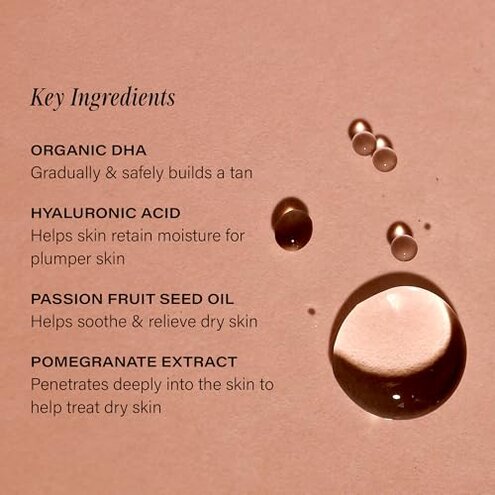
Expectation: Buyers reasonably expect a buildable, even facial glow from drop systems.
Reality: Many users found shading inconsistent without extra mixing skill and extended drying time.
Safer alternatives
- Choose tinted face tanners: Look for products with a visible guide tint to reduce streaking risk.
- Prefer setting formulations: Pick formulas labeled fast-dry or with setting sprays to curb transfer.
- Smaller trial sizes: Buy trial bottles to test skin tolerance before committing to full-size purchases.
- Follow tutorial-first buys: Choose brands with clear how-to guides or video instructions when learning mixing.
The bottom line
Main regret: The primary trigger is patchy, inconsistent color that appears at first use and during mixing.
Why worse: This product requires more trial-and-error than most mid-range face tanners, increasing time and fabric-staining risk.
Verdict: Avoid if you need a reliable, first-try facial self-tan; consider alternatives with guided tinting or faster-setting formulas.
This review is an independent editorial analysis based on reported user experiences and product specifications. NegReview.com does not sell products.