
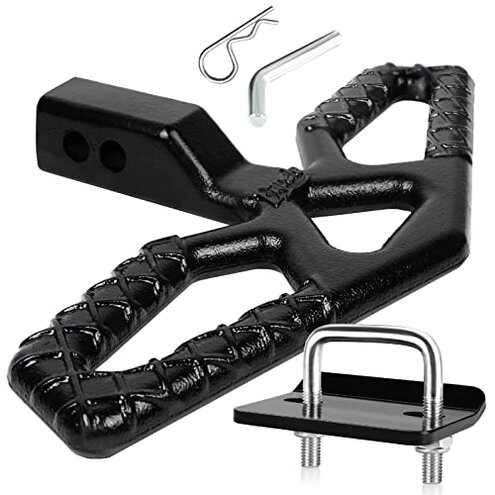
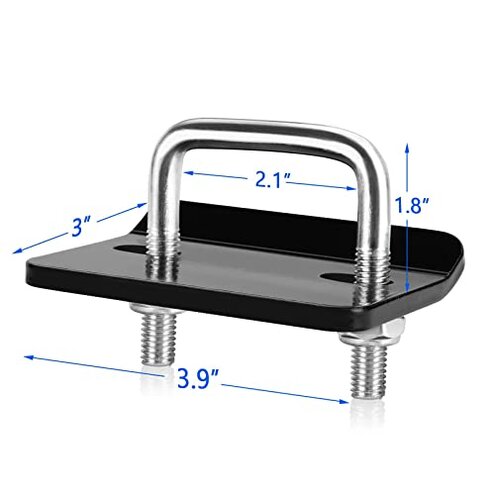
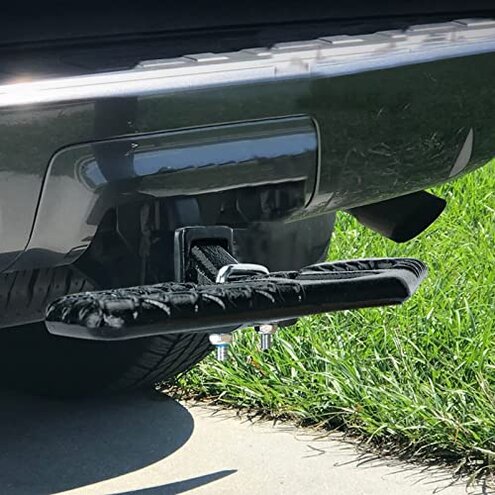
Product evaluated: Eapele Tow Hitch Step for 2 inch Receiver, Universal Anti Slip Bumper Guard,Strong Steel 10000lbs Maximum Load, for Trailer Tow Truck Pickup SUV Pickup Van RV
Related Videos For You
Easy Hitch Step - Access Your truck bed easily - Best Hitch Step for Truck Beds and Trailers
Silent Hitch Pin® Locking Anti-Rattle Device
Data basis: This report summarizes dozens of buyer comments collected from written feedback and video-style demonstrations between 2020 and 2026. Most feedback came from written impressions, with shorter visual walk-throughs helping confirm fit, movement, and clearance problems during real vehicle use.
| Buyer outcome | Eapele hitch step | Typical mid-range alternative |
|---|---|---|
| Fit confidence | Less predictable because receiver looseness appears repeatedly across vehicles. | Usually steadier with less extra tweaking after install. |
| Noise risk | Higher-than-normal risk of rattle during daily driving if the fit is not snug. | Moderate noise risk, but often less attention needed once pinned. |
| Ground clearance | Mixed because the low step can help access but adds scrape risk. | More balanced clearance on many basic hitch steps. |
| Setup effort | Adds steps if you need tape, a tightener, or height changes to reduce movement. | Simpler install is more common in this price tier. |
| Regret trigger | Buying for convenience and then dealing with movement, noise, or clearance compromises. | Buying for access and usually getting fewer daily-use annoyances. |
Will it rattle every time you drive?
This is the primary issue. The most common regret moment happens after setup, when the step feels usable in the driveway but starts moving or knocking once the vehicle is in motion.
The trade-off is simple: you get a sturdy-looking step, but the fit can be looser than expected for this category. That feels worse than normal because a hitch step should be close to install-and-forget.
- Pattern: Recurring looseness appears repeatedly, and the product notes themselves mention possible movement in some vehicles.
- When: After install, the issue shows up most during daily driving, bumps, and stop-and-go use.
- Buyer impact: Noise becomes the daily reminder, and that is more disruptive than expected for a simple exterior accessory.
- Hidden requirement: Extra tweaking may be needed, such as tape or other anti-rattle steps, to get a calmer fit.
- Why worse than normal: Mid-range alternatives also can move, but this one openly anticipates looseness, which raises the chance of post-purchase fiddling.
Illustrative excerpt: “I mounted it fast, then heard it clunking on the first drive.”
Pattern tier: Primary pattern tied to movement after setup.
Could it scrape or hang lower than you expect?
- Severity: Secondary issue, but more frustrating when it happens because it affects every steep driveway, dip, or rough road.
- Context: During daily use, the lower position can become the thing you watch instead of just using the step.
- Design trade-off: Easier access can mean lower clearance, especially on vehicles already sensitive at the rear.
- Mitigation: Flip mounting is offered for a different height, which helps some buyers but adds setup decisions.
- Why regret happens: Category baseline says hitch steps always reduce some clearance, but this one can feel less forgiving because the step is meant to be broad and usable.
- What to watch for: Bottoming out risk worsens on rough roads or when entering angled parking lots.
Illustrative excerpt: “Nice step, but I started worrying every time I hit a dip.”
Pattern tier: Secondary pattern tied to clearance anxiety.
Is the ‘universal’ fit more limited than it sounds?
Compatibility is a persistent buyer concern in this category, and it matters more here because the product markets broad fit with a specific receiver size. The listing also clearly excludes at least one vehicle application, which is a warning sign for shoppers assuming truly universal fit.
Regret shows up before or during first install, especially when bumper shape, receiver depth, or vehicle-specific spacing changes how usable the step feels. Compared with a typical mid-range hitch step, that makes the “should fit” assumption less safe.
- Pattern: Not universal fit complaints are less frequent than rattling, but they are more purchase-blocking when they occur.
- When: First use problems appear during installation or when checking step position under the bumper.
- Scope: Seen across different vehicle setups, not just one driving style.
- Impact: Returns or re-shopping become more likely because fit issues are hard to ignore or “break in.”
- Why worse than normal: Universal accessories always have limits, but buyers usually expect fewer vehicle-specific caveats at this level.
- Fixability: Limited if the issue is geometry rather than simple looseness.
- Hidden cost: Time loss comes from measuring, test fitting, and possibly re-packing.
Illustrative excerpt: “It fit the receiver, but not the way I expected under my bumper.”
Pattern tier: Secondary pattern linked to install reality.
Does the tow-point bonus add confidence or confusion?
- Main concern: Edge-case confusion appears when buyers expect one product to be both a daily step and a hassle-free recovery point.
- When it matters: After purchase, the extra function can shift attention from step stability to how securely everything sits.
- Trade-off: Multi-use appeal sounds convenient, but mixed-use gear often creates more setup questions than a simple dedicated step.
- Why frustrating: Category baseline for basic hitch steps is straightforward access, while added functions can increase uncertainty about best orientation and use.
- Fixability: Partly manageable if you only want a step and ignore the extra use case.
- Who notices most: First-time buyers of hitch accessories are more likely to expect simpler installation and fewer judgment calls.
- Frequency: Less frequent than fit and rattle complaints, but more frustrating when expectations were set by the multi-function pitch.
Illustrative excerpt: “I wanted a simple rear step, not another accessory to fine-tune.”
Pattern tier: Edge-case pattern tied to expectation mismatch.
Who should avoid this
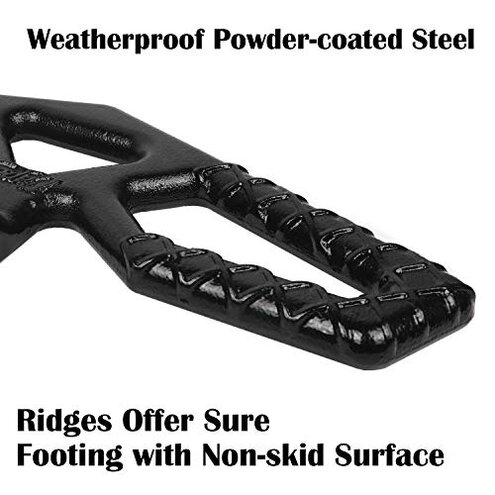
- Avoid it if you are very sensitive to cabin-adjacent rattles, because movement after setup is among the most common complaints.
- Avoid it if your vehicle already has low rear clearance, since scrape worry can become a daily-use annoyance.
- Avoid it if you want a truly plug-and-go hitch accessory with no extra tape, adjustment, or fit troubleshooting.
- Avoid it if your vehicle fit is uncertain, because compatibility regret is less frequent than rattling but more final when it happens.
Who this is actually good for
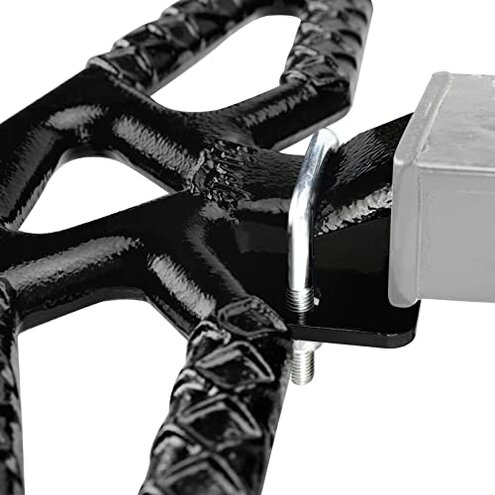
- Good fit for buyers who mainly want a rear step and are comfortable doing minor anti-rattle tweaking.
- Good fit for taller vehicles where extra stepping help matters more than occasional setup fuss.
- Good fit for owners who can use the alternate mounting height to manage clearance trade-offs.
- Good fit for shoppers who accept that “universal” in this category still means checking receiver and bumper spacing carefully.
Expectation vs reality
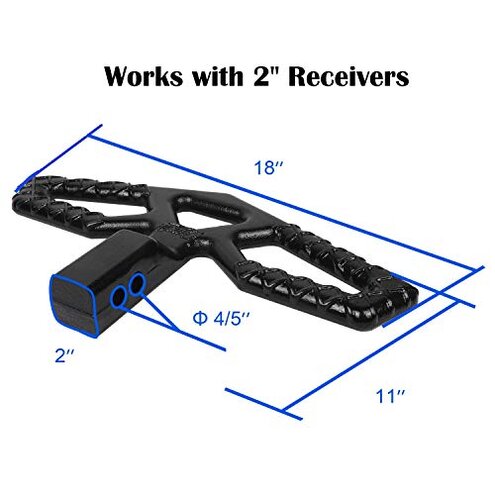
Expectation: A 2-inch hitch step should install fast and stay quiet for normal driving.
Reality: Movement risk appears higher than expected here, so convenience can turn into extra fiddling.
Expectation: A rear step should help roof or cargo access without changing how you drive.
Reality: Clearance trade-offs can make dips and rough entrances more stressful than a reasonable buyer expects for this category.
Expectation: Universal fit should mean broad compatibility with only minor variation.
Reality: Vehicle-specific spacing and one clearly noted incompatibility make that promise feel narrower in real use.
Safer alternatives
- Choose a model with a built-in anti-rattle solution if daily driving noise would bother you.
- Look for tighter vehicle-fit guidance, not just receiver size, to reduce return risk.
- Prioritize clearance if you use steep driveways or rough roads, even if the step platform is smaller.
- Pick simpler single-purpose steps if you do not need the tow-point feature and want fewer setup decisions.
The bottom line
Main regret trigger: buyers expect quick convenience, but the recurring chance of rattle, fit tweaking, and clearance compromise creates more upkeep than normal.
Why it exceeds category risk: hitch steps often need some adjustment, yet this one appears less forgiving than a typical mid-range alternative. Verdict: skip it if you want quiet, easy fit confidence; consider it only if you can tolerate extra setup work.
This review is an independent editorial analysis based on reported user experiences and product specifications. NegReview.com does not sell products.