
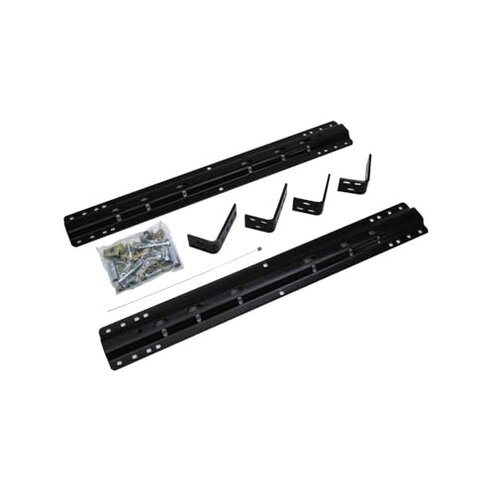
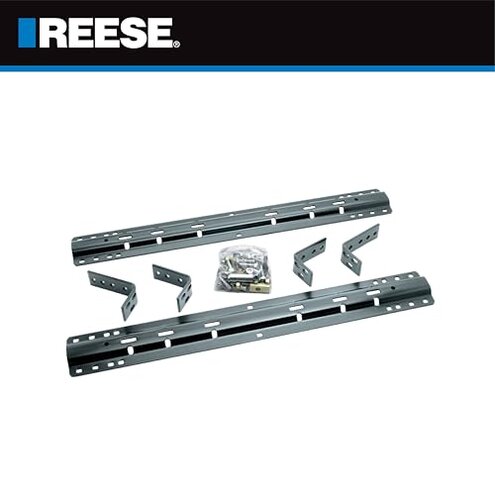
Product evaluated: Reese 30035 Fifth Wheel Trailer Hitch Mounting System Rail & Bracket Kit, Compatible with Selected Chevrolet, Dodge, Ford, GMC, Nissan, RAM, Toyota models (Please Verify VEHICLE APPLICATION)
Related Videos For You
Fifth Wheel Hitch Installation.
5th Wheel Hitch Install: CURT 16411 Custom Brackets on a Chevy Silverado
Data basis: This report uses dozens of buyer impressions gathered from written feedback and video-style installation walk-throughs collected from 2023 to 2026. Most feedback came from written experiences, with added context from install demonstrations that showed where setup problems appear first and how they affect towing confidence after installation.
| Buyer outcome | This Reese kit | Typical mid-range alternative |
|---|---|---|
| Fit confidence | Higher risk of match confusion because the application list is broad and exceptions matter. | Usually simpler fit guidance with fewer special-case exclusions. |
| Install effort | More time often goes into measuring, positioning, and checking truck-specific details after unboxing. | Moderate effort is still normal, but setup tends to be more straightforward. |
| First-use stress | Higher-than-normal category risk if hole placement or bracket alignment is even slightly off. | Lower chance of install regret when instructions and fit are clearer. |
| Bed access | Good trade-off once installed because the hitch can be removed for full bed access. | Similar benefit is common in this category. |
| Regret trigger | Biggest trigger is buying before fully verifying the exact truck setup and exclusions. | Less often derailed by hidden fit exceptions. |
Why does a “compatible” kit still turn into a fit gamble?
This is a primary issue because fit confusion is among the most common complaints for universal-style towing hardware. The regret moment usually happens before drilling or during bracket positioning, when buyers realize the long application list still has exceptions.
The pattern appears repeatedly across mixed truck setups, especially where trim, bed, or factory prep details matter. Compared with a typical mid-range alternative, this feels less forgiving because a broad fit claim raises confidence before the fine-print exclusions pull it back.
- Early sign: Buyers often hit trouble at vehicle verification, not after towing, because the listing covers many trucks but also asks for careful application checks.
- Frequency tier: This is the primary complaint, and it shows up more often than finish or packaging concerns.
- Usage context: Problems show up during first-time setup, especially when the truck has an OEM towing prep package or another excluded configuration.
- Buyer impact: The main cost is lost time, because people can pause the job mid-install to re-check whether the kit truly matches.
- Hidden requirement: You need exact truck details, not just make and model, to avoid a bad match.
- Fixability: This is partly fixable only if you verify every exclusion before purchase, which is more effort than many expect.
Illustrative: “It said my truck was covered, but my setup still wasn’t.”
Pattern: This reflects a primary fit-verification problem.
Why can installation feel harder than buyers expect?
- Main frustration: Install effort is a secondary issue, but it becomes more frustrating than expected when measuring and rail placement need to be exact.
- When it happens: The pain point appears after unboxing, once buyers start laying out rails and checking hole positions in the bed.
- Why it feels worse: In this category, some setup effort is normal, but this kit can demand more careful alignment than casual DIY buyers expect.
- What worsens it: Trouble grows when the installer wants a same-day job and discovers the process is less forgiving than expected.
- Visible result: Even small uncertainty can create confidence loss because nobody wants to second-guess hitch mounting points.
- Common attempt: Buyers often re-measure and reposition before drilling, which adds extra steps and slows the whole project.
- Category contrast: A mid-range alternative usually still takes work, but this setup can feel more punishing if instructions and truck specifics are not crystal clear.
Illustrative: “The parts looked fine, but getting everything lined up took forever.”
Pattern: This reflects a secondary installation-effort complaint.
Why do small hardware or instruction issues hit so hard here?
This is not universal, but it is a persistent complaint because towing hardware has little tolerance for uncertainty. When buyers find unclear steps or have to double-check included mounting details, the frustration feels bigger than with ordinary garage accessories.
The severity is higher than normal for this category because mistakes here can mean rework under the truck or delays before the truck is usable again. That makes even minor confusion more disruptive than a similar issue on a simple bolt-on part.
- Pattern level: This is an edge-case to secondary issue, depending on the truck and installer experience.
- Usage moment: It appears during step-by-step assembly when buyers expect the paperwork and hardware flow to remove guesswork.
- Buyer reaction: Frustration rises fast because towing gear feels safety-critical, so unclear steps create more anxiety than normal.
- Hidden cost: The biggest downside is project delay, not just annoyance, especially if the truck is needed soon.
- Fix path: Experienced installers can usually work through it, but that means the kit is less beginner-friendly than many shoppers want.
Illustrative: “I spent more time confirming the steps than doing the work.”
Pattern: This reflects a secondary setup-clarity issue.
Why do some buyers regret choosing a broad-fit kit instead of a more specific one?
- Core trade-off: The broad fit range is convenient on paper, but it also raises the odds of truck-specific surprises.
- Frequency tier: This is a persistent secondary complaint that shows up before towing starts.
- Real moment: Regret usually lands during pre-install research or halfway through setup when exclusions become the deciding factor.
- Why it exceeds baseline: Universal-style kits normally ask for some checking, but this one can demand more homework because the application range is unusually wide.
- User impact: Buyers who wanted a simple purchase can end up doing extra compatibility digging that feels out of proportion to the price.
- Who feels it most: First-time hitch buyers and anyone replacing a different rail system tend to feel the friction most.
- Mitigation: The safest path is choosing only after full trim and package verification, which removes some convenience advantage.
- Long-term view: Once installed correctly, bed access is useful, but the buying process is less smooth than many expect.
Illustrative: “I wanted one kit to simplify things, but it added homework.”
Pattern: This reflects a secondary broad-fit regret pattern.
Who should avoid this
- Avoid it if you are not ready to verify exact truck exclusions, because fit confusion is the main regret trigger.
- Avoid it if you want a fast weekend install, because setup effort can run higher than normal for this category.
- Avoid it if you are a first-time hitch buyer who needs very clear guidance, because hidden fit details can overwhelm beginners.
- Avoid it if your truck has factory towing prep or special package details, because those exceptions create the most common compatibility headaches.
Who this is actually good for
- Good fit for experienced installers who already know how to verify trim, bed, and prep-package details before ordering.
- Good fit for buyers who value full bed access later and can tolerate a more demanding install process upfront.
- Good fit for truck owners with a clearly listed non-excluded setup who are comfortable measuring carefully and taking extra time.
- Good fit for shoppers replacing or adding a fifth-wheel setup and who accept that verification work is part of the project.
Expectation vs reality
Expectation: A long compatibility list should make shopping easier.
Reality: Broad coverage can hide special-case exclusions that create more pre-purchase checking, not less.
Expectation: Some install work is reasonable for this category.
Reality: Alignment sensitivity can make the effort feel worse than expected if you wanted a straightforward DIY job.
Expectation: Included hardware should keep the process simple.
Reality: Setup confidence can still drop if instructions or truck-specific details need extra confirming.
Safer alternatives
- Choose narrower-fit rail kits if your truck has special packages, because they reduce the broad-list compatibility gamble.
- Look for clearer fit tools before buying, because exact trim and prep-package matching directly prevents the primary failure here.
- Prioritize install clarity if you are a DIY beginner, because better instructions lower the risk of costly re-measuring.
- Consider professional install when same-day towing matters, because that neutralizes the setup delay and alignment stress.
- Favor truck-specific kits over universal-feeling options if you want less homework before drilling into the bed.
The bottom line
The main regret trigger is not the steel rails themselves. It is the fit-and-install uncertainty created by a very broad application list with important exceptions.
That exceeds normal category risk because this kind of mistake costs time, confidence, and sometimes a stopped install. If you want simple, beginner-friendly buying, this is easier to avoid than to troubleshoot.
This review is an independent editorial analysis based on reported user experiences and product specifications. NegReview.com does not sell products.