
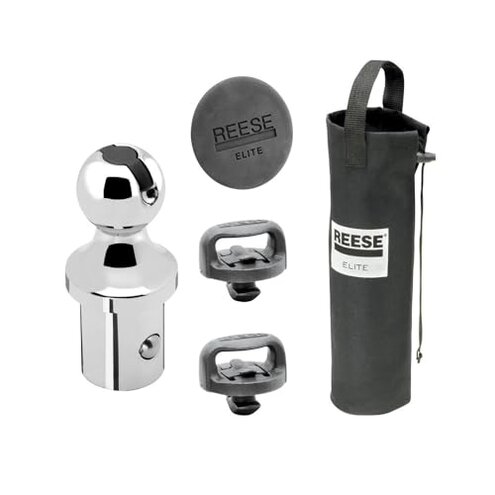
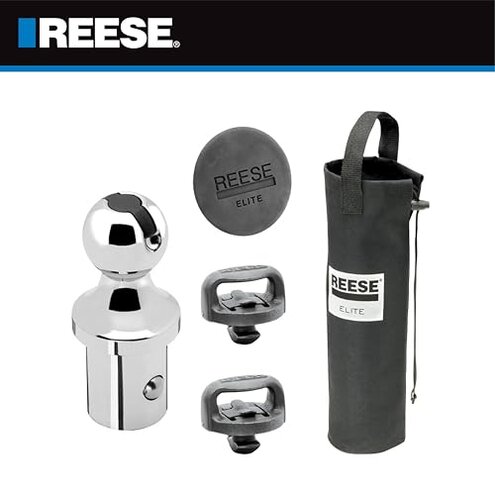
Product evaluated: Reese Towpower 30137 Elite Series Gooseneck Hitch Head Accessory, Kit, Gooseneck Hitch Ball, Storage Bag, Safety Chains, Hole Cover
Related Videos For You
B&W Turnoverball Gooseneck Trailer Hitch Installation Demonstration- Model 1108
How to hook up a gooseneck trailer
Data basis: This report pulls from dozens of buyer comments collected from written feedback and video demonstrations between 2015 and 2026. Most feedback came from written owner reports, with video walk-throughs used mainly to confirm setup friction and fit expectations.
| Buyer outcome | Reese 30137 | Typical mid-range alternative |
|---|---|---|
| First install | Higher effort if your rail setup is not exactly matched. | Moderate effort with less fit guesswork. |
| Daily use | Acceptable once locked in correctly, but setup confidence can stay lower. | More predictable for repeat hitching. |
| Compatibility risk | Above normal for this category if buyers assume "universal fit" means broad truck fit. | Lower when listing language is more specific. |
| Included parts | Useful bag, chains, and cover, but they do not remove fit uncertainty. | Similar accessory value with fewer fit surprises. |
| Regret trigger | Buying before checking exact factory rail compatibility. | Usually minor install learning, not a full fit mismatch. |
Did you expect “universal fit” to mean it would just fit your truck?
This is the primary issue. The biggest regret moment shows up before towing even starts. The product lists specific Ford factory rail fitment, yet the wording can still lead some buyers to expect broader compatibility.
This pattern appears repeatedly during initial setup, especially when buyers order first and verify rail details later. Compared with a typical mid-range hitch accessory, that mismatch risk feels higher than normal because it can stop the install completely.
- Pattern: Recurring complaints center on fit confusion, not towing strength.
- When it hits: First use is where buyers find out whether their factory or aftermarket rail system really matches.
- Why it happens: Listing interpretation can be broader than the actual fit note for Ford OE rails and certain Reese aftermarket rails.
- Buyer impact: Lost time is the first penalty, followed by return hassle or stalled towing plans.
- Why it feels worse: Category baseline is some install effort, but not total compatibility dead-ends after delivery.
- Hidden requirement: Exact rail verification is not optional here, even if the wording sounds forgiving.
Illustrative excerpt: “I thought universal meant my setup too, but it would not seat right.” Primary pattern.
Are you comfortable with extra setup checks before every confident tow?
- Severity: Secondary issue complaints focus on lock-in confidence during setup, not necessarily failure after proper installation.
- Usage moment: After setup, buyers may still spend extra time checking that the ball is fully seated and locked.
- Root cause: Lever-and-lock action adds a step that feels less obvious to occasional users.
- What buyers notice: Hesitation comes from not wanting any doubt in a towing connection.
- Compared with typical options: Less forgiving than some mid-range designs that feel more obvious when engaged.
- Attempts to solve it: Repeat fitting and extra visual checks help, but they add time each use.
- Fixability: Manageable if you tow often and learn the feel, but more frustrating for infrequent users.
Illustrative excerpt: “It works, but I keep double-checking the lock every time.” Secondary pattern.
Will the included kit save money if the main fit is still uncertain?
This regret is less frequent than outright fit mismatch, but it is more frustrating once the box is open. Buyers like getting the ball, bag, safety chains, and hole cover together, yet that bundle value drops fast if the hitch head is wrong for their rail setup.
The issue shows up right after unboxing and trial fitting. In this category, bundled accessories are supposed to reduce hassle, so this feels worse than expected when they become extras around a compatibility problem.
- Value trap: Bundle appeal can push buyers to order quickly.
- Context: Unboxing day is when the convenience promise is tested.
- Common reaction: Frustration rises because the kit looks complete but still may not solve the main install need.
- Why it matters: Return effort is more annoying with a multi-piece kit than a single part.
- Category contrast: Mid-range kits usually save steps, not create extra fit research after purchase.
Illustrative excerpt: “Nice pieces in the box, but the real problem was getting it to fit.” Secondary pattern.
Do you only tow occasionally and want a no-drama install each season?
- Frequency tier: Edge-case to secondary complaints come from buyers who do not use this kind of gear often.
- When it appears: Seasonal use makes the learning curve feel steeper because the locking steps are easier to forget.
- What worsens it: Infrequent handling can turn a short setup into repeated checking and repositioning.
- Buyer-visible effect: Start-stop setup replaces the quick hitching experience many expect.
- Why it exceeds normal risk: Reasonable for this category is some hookup attention, but not ongoing uncertainty for occasional users.
- Who notices most: Weekend haulers and owners who switch between towing setups.
- Workaround: Practice runs help, but that is extra effort many buyers hoped to avoid.
Illustrative excerpt: “Every time I use it again, I have to relearn the routine.” Edge-case pattern.
Who should avoid this
- Avoid it if you have any doubt about exact rail compatibility, because fit confusion is the most disruptive complaint.
- Avoid it if you tow rarely and want instant confidence, because repeated lock checks feel heavier than normal in this category.
- Avoid it if you are buying mainly for bundle convenience, because the included accessories do not offset a mismatch.
- Avoid it if return hassle matters to you, since this type of fit problem wastes more time than a normal install learning curve.
Who this is actually good for
- Good fit for buyers with the exact listed Ford factory rail setup who already know their system details.
- Good fit for experienced towers willing to tolerate extra verification because they value the included kit pieces.
- Good fit for frequent users who can learn the lock routine once and repeat it with confidence.
- Good fit for shoppers replacing the same accessory type and matching the same rail standard.
Expectation vs reality
Expectation: “Universal fit” sounds like broad truck compatibility.
Reality: Exact rail matching matters more than that wording suggests.
- Expectation: A complete kit should reduce setup hassle.
- Reality: Compatibility uncertainty can erase that convenience fast.
- Expectation: Reasonable for this category is a short install check, then routine towing.
- Reality: This can require more ongoing confirmation than typical mid-range alternatives, especially for occasional users.
Safer alternatives
- Shop by rail system, not by broad fit wording, to avoid the main compatibility failure.
- Choose listings with clearer truck-and-rail fit notes if you want lower mismatch risk than this product shows.
- Prefer simpler lock feedback if you tow occasionally and want less repeat checking during hookup.
- Buy accessories separately if bundle value might push you past an uncertain fit decision.
The bottom line
Main regret trigger: buyers assume fit is broader and easier than it really is. That risk is higher than normal for this category because the problem often appears before first tow and can stop use entirely.
Verdict: Avoid it unless your rail setup matches the listed fit exactly and you are comfortable with a more careful setup routine.
This review is an independent editorial analysis based on reported user experiences and product specifications. NegReview.com does not sell products.