
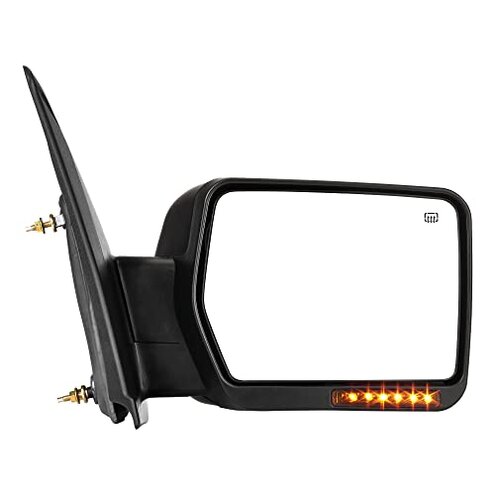
Product evaluated: AUTOSAVER88 Door Mirror Compatible with 2004-2014 Ford F150, Right Passenger Side Mirror with Turn Signal Puddle Light Power Heated Manual Folding Black
Related Videos For You
How to Install Upgraded Tow Mirrors 14-19 Chevy Silverado LT
How to Properly Set Your Side Mirrors
Data basis: This report is based on dozens of buyer comments gathered from written feedback and photo or video-backed impressions collected between 2024 and 2026. Most feedback came from written reviews, with smaller support from install demonstrations and update posts, which helps show both first-fit problems and issues noticed after regular driving.
| Buyer outcome | AUTOSAVER88 mirror | Typical mid-range alternative |
|---|---|---|
| Fit on truck | Higher risk of alignment surprises after unpacking, especially during first install | Usually easier fit if the trim and options match |
| Install effort | More setup friction because feature matching can add extra checks and rework | Moderate effort with fewer hidden compatibility steps |
| Functions working | Mixed outcome on heat, signal, or light if the truck lacks matching wiring | More predictable function when sold by trim-specific fitment |
| Daily confidence | Less reassuring if adjustment, folding feel, or viewing angle seems off after setup | More normal confidence for routine towing and lane checks |
| Regret trigger | Biggest regret is spending install time only to find partial compatibility or an awkward fit | Lower regret because problems are more often caught before full install |
Do you want a “direct fit” part that still turns into a compatibility puzzle?
This is the primary issue. Recurring feedback around this mirror centers on fitment and feature matching, and it is more disruptive than expected for this category.
The regret moment usually happens during installation, when the mirror physically mounts but one feature does not work as expected, or the truck trim does not match the mirror’s wiring needs.
- Pattern: Commonly reported complaints focus on “fits the truck” not always meaning “all functions work correctly.”
- When it hits: First install is where buyers notice the problem, especially after removing the old mirror and connecting the plugs.
- Hidden requirement: Your truck needs the matching factory functions for signal or other powered features, and that is easy to miss before purchase.
- Why it stings: Extra steps are worse than normal here because mirror replacements are expected to be straightforward once the year range matches.
- Visible impact: Partial function can leave buyers with a mirror that mounts but does not fully light, heat, or signal as expected.
- What buyers try: Rechecking plugs and fit charts may help confirm the issue, but they do not add missing vehicle-side support.
- Fixability: Not always fixable without changing expectations, changing the part, or confirming the truck’s existing wiring and options.
Would a rougher-than-expected fit bother you every time you drive?
This secondary issue appears repeatedly in feedback about aftermarket mirrors like this one. The problem shows up after setup, when buyers compare the installed mirror against the factory look and feel.
The trade-off is price versus confidence. For a basic replacement, some looseness or imperfect alignment is category-expected, but this can feel less forgiving than a typical mid-range alternative.
During daily use, small fit differences become easier to notice when folding the mirror, checking blind spots, or judging trailer clearance. That makes a minor install annoyance feel bigger over time.
Compared with normal replacements, this issue feels worse because mirrors are safety-visible parts. Buyers tend to regret even small mismatches when they affect what they see from the driver seat.
- Early sign: Panel gaps or a slightly off angle can show up right after tightening everything down.
- Frequency tier: Persistent but not universal, with complaints clustering around finish and alignment expectations.
- Driving impact: View confidence can drop if the reflection position feels a little different from stock.
- Why worse here: Safety use makes buyers less tolerant than they would be with a cosmetic-only replacement part.
Are you expecting all the advertised features to work without extra homework?
This is another primary frustration. The product listing itself notes that some functions may not work if the vehicle does not already have them, and that warning matters more than many buyers expect.
The regret moment comes after install, when a buyer tests heat, turn signal, or puddle light and learns the truck cannot support one of them as hoped.
- Pattern cue: Seen across feedback wherever buyers assumed year compatibility also guaranteed full feature compatibility.
- Usage context: After setup the mismatch becomes obvious during a cold start, lane change, or nighttime entry.
- Category baseline: Most mid-range mirror listings are easier to shop when they separate trims and features more clearly.
- Buyer impact: Time loss is the bigger pain because the mirror often has to be mounted before the mismatch is fully confirmed.
- Hidden cost: Return hassle can be higher than expected because the original mirror may already be off the truck.
- Mitigation: Check factory options before ordering, not just model years, especially for signal and heated functions.
Would you be annoyed if “easy install” still meant professional help might be smart?
This edge-case issue is less frequent than fitment complaints, but more frustrating when it occurs. The listing says installation is simple, yet also recommends professional installation, which signals possible wiring or fit uncertainty.
- Timing: Before purchase this sounds reassuring, but during install it can turn into extra labor or troubleshooting.
- Pattern: Less frequent comments mention install burden, but they matter because mirror swaps are supposed to save time.
- Why worse: Category norm for direct-replacement mirrors is modest DIY difficulty, not surprise decision points mid-install.
- Practical effect: Downtime increases if the truck is apart while the buyer checks wiring, trim support, or return options.
- Best-case fix: Preparation helps, but it adds homework that many shoppers do not expect at this price tier.
Illustrative excerpt: “It bolted on, but not every feature worked like I expected.” Primary pattern tied to compatibility confusion.
Illustrative excerpt: “Close enough in photos, but it didn’t feel quite stock installed.” Secondary pattern tied to fit and finish expectations.
Illustrative excerpt: “I had to stop halfway and double-check my truck wiring.” Primary pattern tied to hidden install requirements.
Illustrative excerpt: “The year matched, so I thought the lights would too.” Primary pattern tied to feature mismatch assumptions.
Who should avoid this
- Avoid it if you want a truly plug-and-play mirror with no feature research beyond the truck year.
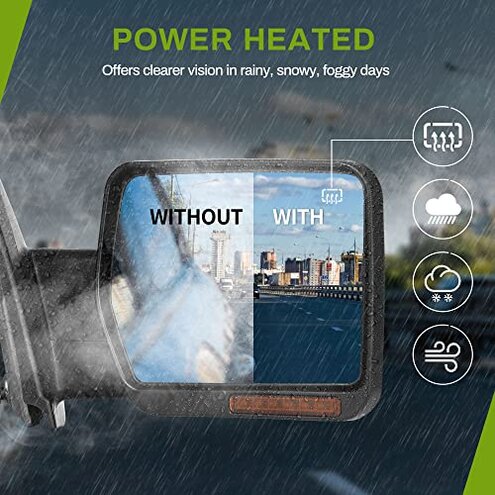
- Avoid it if mismatched heat, signal, or puddle light functions would feel like a failed purchase, not a minor compromise.
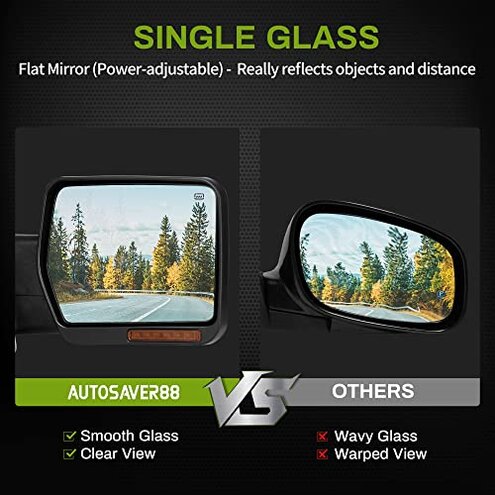
- Avoid it if you are sensitive to small fit or alignment differences that become obvious during daily driving.
- Avoid it if your truck is your only vehicle and install delays would create a real inconvenience.
Who this is actually good for
- Better fit for buyers who have already confirmed their exact factory mirror features and wiring support.
- Better fit for shoppers replacing a damaged passenger mirror and willing to accept some aftermarket compromise to save money.
- Better fit for DIY owners comfortable pausing an install to verify connectors, options, and function checks.
- Better fit for buyers who care more about restoring basic mirror use than matching factory feel perfectly.
Expectation vs reality
Expectation: A year-range match should mean a simple replacement with normal wiring confidence.
Reality: Feature support may still depend on what your truck already has, which is worse than many buyers reasonably expect for this category.
Expectation: Aftermarket mirrors may be slightly less refined, but should feel close enough once installed.
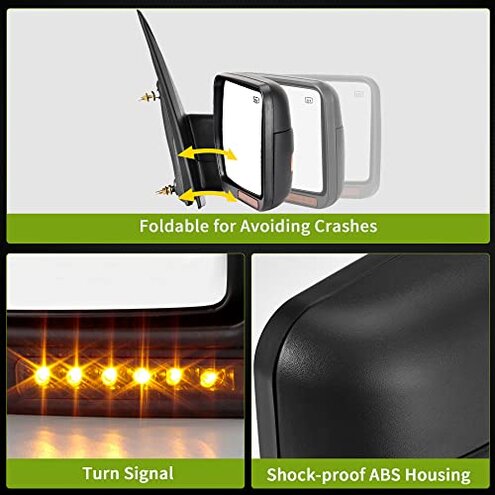
Reality: Fit differences can stay noticeable during folding, aiming, and everyday checks, making the compromise feel bigger over time.
Expectation: “Easy install” means a short driveway job.
Reality: Extra verification can add time, especially when you test heat, signal, and puddle light after mounting.
Safer alternatives
- Shop by features, not just year range, and match heat, signal, puddle light, and fold style to your original mirror.
- Choose listings that separate trims clearly, because that reduces the main risk of partial function after install.
- Look for fit photos showing installed panel alignment on the same truck generation, which helps avoid daily annoyance from visible mismatch.
- Confirm wiring first before removing the old mirror, which directly lowers the hidden-requirement risk called out above.
- Consider a simpler mirror if you do not need every powered feature, because fewer functions usually means fewer compatibility surprises.
The bottom line
Main regret here is not just a bad part. It is spending install time on a mirror that may physically fit but still miss the factory functions or finish buyers expected.
That risk exceeds normal category tolerance because mirrors are safety-critical and buyers usually expect year-based compatibility to be more dependable. Verdict: skip this one if you need full plug-and-play certainty or factory-like fit without extra homework.
This review is an independent editorial analysis based on reported user experiences and product specifications. NegReview.com does not sell products.