
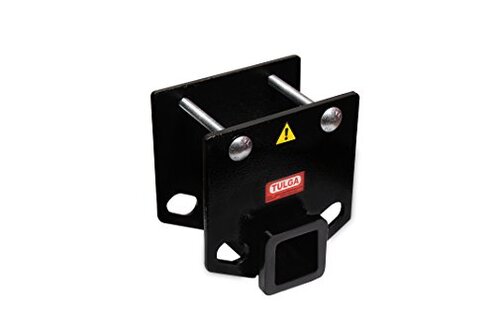
Product evaluated: RV Bumper Hitch Receiver 2 Inch for 4 inch Bumper Beams Hitch Mount Trailer Towing Adapter for Cargo Carrier Bike Racks Towing
Related Videos For You
RV Bumper Hitch Install | CURT #19100
3 Common RV Mistakes: Correcting The Misinformation On Travel Trailer Hitch & Hook Up
Data basis: This report uses dozens of buyer feedback points collected from written reviews and video-style demonstrations between 2023 and 2026. Most feedback came from short written comments, with smaller support from installation photos and use-case clips, which helps show where complaints repeat during setup and first towing use.
| Buyer outcome | This hitch | Typical mid-range alternative |
|---|---|---|
| Fit confidence | Lower; compatibility complaints appear repeatedly on 4-inch bumpers with real-world variation. | Better; usually more forgiving of minor bumper differences. |
| Install effort | Higher; setup can add extra checking, adjustment, or return risk. | Moderate; usually closer to bolt-on expectations. |
| Rack stability | Riskier; movement concerns are a primary issue once loaded. | More stable; some wobble is normal, but less often a deal-breaker. |
| Towing trust | Mixed; buyers hesitate when flex or bumper stress shows during use. | More predictable; category limits still matter, but confidence is usually higher. |
| Regret trigger | Strong; the main regret is learning too late that bumper style and use load matter more than the listing suggests. | Lower; regret usually comes from misuse, not basic fit uncertainty. |
Does it fit your bumper as easily as the listing makes it sound?
Primary issue: The biggest regret moment happens during first setup, when buyers expect a simple match for a 4-inch bumper and find the fit is not universal. This appears repeatedly and is more disruptive than expected for this category because fit uncertainty can stop the project before use.
Why worse: A typical mid-range bumper receiver still needs checking, but it is usually more forgiving. Here, the hidden requirement is that your bumper shape, welds, and real outside dimensions need closer inspection than many buyers expect.
- Early sign: Clamp alignment problems show up before final tightening, especially when bumper edges are not perfectly square.
- Pattern: This is a recurring complaint across multiple feedback sources, not a one-off install mistake.
- When it hits: It shows up during setup, often after the hitch is unpacked and test-fitted.
- Impact: The result is extra measuring, extra hardware checking, or a return that adds time.
- Hidden requirement: Buyers often need a more exact bumper match than the simple “fits all 4-inch square RV bumpers” claim implies.
- Fixability: Some users work around it, but that adds effort and lowers the appeal of a budget hitch.
Illustrative excerpt: “I thought 4-inch meant easy, but mine still would not line up.” Primary pattern.
Will it stay steady once you load a bike rack or cargo carrier?
Primary issue: Stability concerns are among the most common complaints after setup. The regret usually starts on first loaded use, when the rack sits lower and movement feels more noticeable than expected.
- Usage moment: The problem shows up when a bike rack or cargo tray is inserted and loaded for real travel.
- Frequency tier: This is a primary issue, seen repeatedly rather than as an edge-case.
- What buyers notice: The receiver can feel less confidence-inspiring once weight is hanging farther back.
- Why it worsens: It tends to feel worse on rough roads, driveways, and repeated trips.
- Category contrast: Some wobble is normal with hitch accessories, but this seems less forgiving than many mid-range alternatives.
- Buyer impact: Even when it technically works, visible movement makes people second-guess long-trip use.
- Mitigation limit: Tightening and rechecking can help, but they do not fully remove concern for every setup.
Illustrative excerpt: “The rack worked, but the bounce made me nervous the whole drive.” Primary pattern.
Can you trust it for towing, not just light accessories?
Secondary issue: The product advertises a 3500 lbs gross trailer weight and 350 lbs tongue rating, but buyer hesitation appears when real towing loads meet real RV bumpers. This is less frequent than fit complaints, but more frustrating when it occurs because the safety doubt shows up during actual travel prep.
Context: Concern tends to appear after installation and before or during towing, especially when users notice flex, low hitch position, or bumper stress. That feels worse than normal because bumper-mounted receivers already ask for caution, and buyers expect a clearer margin of confidence.
- Signal: This is a persistent secondary pattern, not universal but seen across multiple feedback sources.
- Regret moment: The problem starts when buyers realize the rating does not remove concern about the bumper itself.
- Real condition: It becomes more stressful with trailer tongue weight, uneven roads, and repeated towing use.
- Trade-off: The lower hitch point may help level some setups, but it can also increase scraping or awkward geometry in some driveways.
- Category baseline: Most shoppers know bumper hitches have limits, but this one appears to create more second-guessing than expected at its price.
Illustrative excerpt: “The rating sounded fine, but my bumper looked like the weak link.” Secondary pattern.
Is the low receiver position actually helpful, or does it create new hassles?
- Design trade-off: The lower hitch point can help some trailers sit level, but it also creates a clearance risk that shows up in dips and driveway transitions.
- When noticed: This usually appears on early trips, not during garage setup.
- Frequency tier: It is a secondary issue, less common than fit and stability complaints.
- Why worse: For this category, a drop can be useful, but buyers often expect fewer side effects with racks and carriers.
- User-visible result: Accessories can sit lower than expected, making loading and road clearance feel less comfortable.
- Attempted fix: Buyers sometimes change mounts or driving habits, which adds extra steps.
- Who feels it most: RV owners with steep driveways or lower rear clearance notice this sooner.
- Fixability: This is only partly fixable because it is tied to the basic receiver position.
Illustrative excerpt: “Level towing improved, but my cargo setup hung lower than I wanted.” Secondary pattern.
Who should avoid this
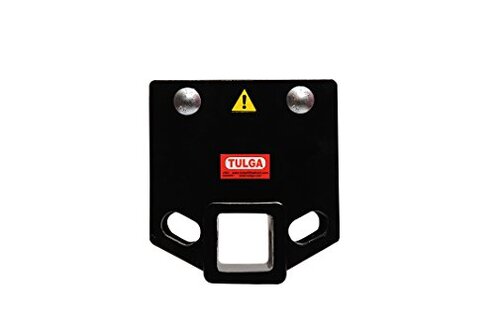
- Avoid it if you want a true plug-and-play fit, because bumper variation is a bigger risk here than normal.
- Avoid it if you plan to carry bikes often on rough roads, because stability concern is a primary complaint during loaded use.
- Avoid it if you dislike hidden setup checks, since exact bumper shape matters more than the listing suggests.
- Avoid it if towing confidence matters more than price, because bumper stress worries exceed typical mid-range expectations.
Who this is actually good for
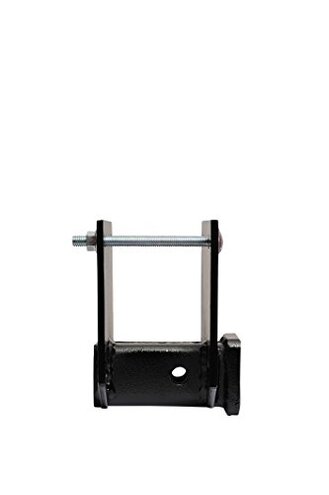
- Good fit for buyers who already measured their bumper carefully and accept extra install checking.
- Good fit for light accessory use where some movement is tolerable and trips are shorter.
- Good fit for RV owners who specifically need a lower receiver point and understand the clearance trade-off.
- Good fit for budget-focused shoppers who can return or adjust if fit is not ideal.
Expectation vs reality
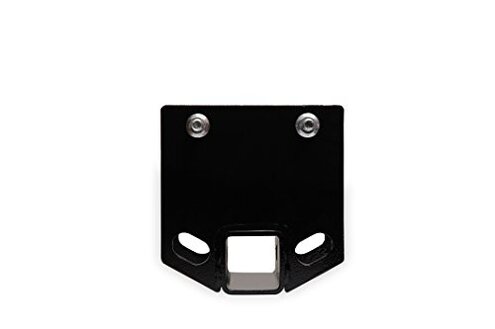
Expectation: “A 4-inch bumper hitch should fit like a straightforward bolt-on.”
Reality: Fit variation is a primary risk, so measuring and test-fitting matter more than many buyers expect.
Expectation: “Some rack wobble is reasonable for this category.”
Reality: Movement concern appears worse than expected for a typical mid-range alternative once loaded.
Expectation: “The lower receiver will only help with towing level.”
Reality: Lower clearance can create new hassles with carriers, driveways, and rear departure angle.
Safer alternatives
- Choose adjustability if your bumper dimensions are close but not exact, because that directly reduces the fit-risk problem.
- Pick a tighter rack setup with anti-wobble support if bike carrying is your main use, since stability is a primary complaint here.
- Look for clearer bumper compatibility guidance if you want fewer hidden requirements during installation.
- Prefer a higher receiver geometry if driveway clearance matters more than trailer leveling.
- Consider frame-mounted options if towing confidence is the priority, because that addresses the bumper-stress concern directly.
The bottom line
Main regret: Buyers most often regret the fit uncertainty and the confidence drop that follows with loaded accessories or towing. That exceeds normal category risk because the product sounds universal, yet real bumper variation and lower-position trade-offs add more setup and trust issues than many mid-range alternatives. Verdict: Skip it if you want easy fit and stable peace of mind; consider it only if you have a verified bumper match and light-duty expectations.
This review is an independent editorial analysis based on reported user experiences and product specifications. NegReview.com does not sell products.