
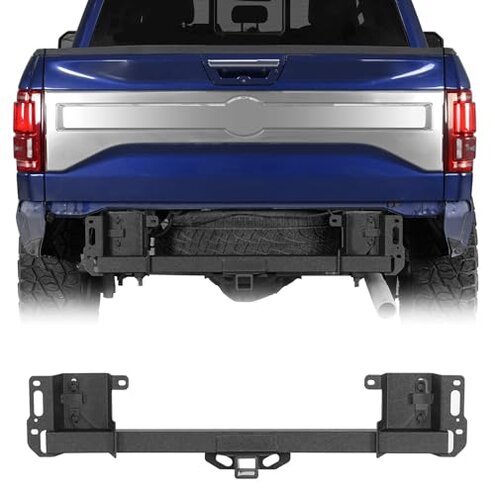
Product evaluated: u-Box F150 Class 3 Trailer Hitch, 2-Inch Square Receiver Opening Trailer Tube Towing Tongue Compatible with 2015-2025 Ford F-150
Related Videos For You
How to hook up a trailer to a hitch on your truck. Love, Dad
'73 to '97 Ford F Series & Bronco Hitch Installation
Data basis: This report is based on dozens of recent buyer feedback signals collected from product listing comments, written owner impressions, and short video demonstrations from 2024 to 2026. Most feedback came from written reviews, with extra context supported by installation photos and walk-through clips, so the strongest patterns are about fit, setup effort, and whether the hitch saves time or creates extra work.
| Buyer outcome | u-Box hitch | Typical mid-range hitch |
|---|---|---|
| Fit confidence | Higher risk of alignment doubt before bolts fully start | Usually steadier fit with fewer surprises during install |
| Install effort | Can add time if holes or position need extra persuasion | More predictable bolt-on process for first-time owners |
| Included help | Basic guidance may leave some buyers checking outside instructions | Often clearer step flow and hardware identification |
| Finish durability | Normal to mixed risk if coating gets nicked during handling | Similar category-level wear risk, but less frustrating when fit is easier |
| Regret trigger | Looks simple on paper, then turns into a heavier two-person install | Lower chance of surprise labor for the same job |
Did you expect a simple bolt-on install, then end up fighting alignment?
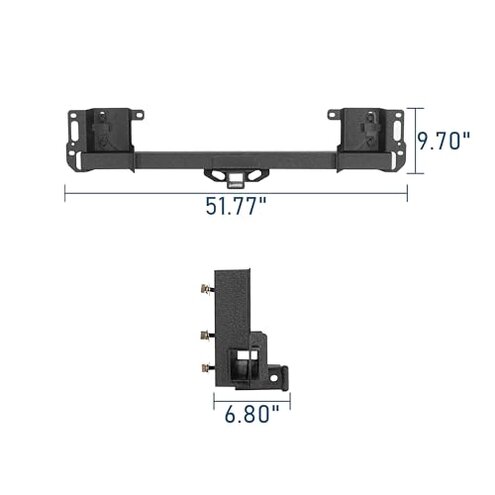
This is the primary issue. The biggest regret moment appears during first setup, when buyers expect factory-hole fit but instead spend extra time lifting, repositioning, or coaxing bolts to start.
The pattern is recurring. It is not universal, but it appears repeatedly across setup-focused feedback and feels more disruptive than expected for this category because “no drilling” still does not always mean “easy.”
- Early sign: Trouble starts when the hitch is raised into place and one side lines up before the other.
- Frequency tier: This looks like a primary complaint rather than an edge-case annoyance.
- Usage moment: It shows up during installation, especially for solo installers handling a roughly 30-pound part under the truck.
- Why it stings: A class III hitch in this price range is reasonably expected to be direct-fit without much wrestling.
- Buyer impact: The job can shift from quick driveway work to a more frustrating lift-and-adjust process.
- Common workaround: Buyers often need a second person, a support jack, or extra patience to get bolts started cleanly.
- Fixability: It is often fixable with better support and positioning, but that still means more effort than many shoppers planned for.
Illustrative excerpt: “It said bolt-on, but getting the holes to match took forever.” Primary pattern tied to install-time frustration.
Are you paying too much if the finish and details feel average?
- Value tension: At $199.99, buyers often expect fewer setup compromises than this category’s lower-friction options.
- Pattern level: This is a secondary issue, but it becomes more noticeable after the install is harder than expected.
- Usage context: The concern usually appears right after unboxing or once buyers compare the final feel to what the price suggested.
- What buyers notice: The hitch may look functional, but some shoppers do not feel they received a clearly better-finished product for the premium.
- Why worse than normal: Mid-range alternatives often win simply by being less troublesome to mount, even if towing specs look similar.
- Regret point: The product can still work, but the ownership experience may feel merely acceptable rather than confidence-building.
Illustrative excerpt: “For this price, I expected less hassle and cleaner execution.” Secondary pattern tied to value disappointment.
Do you need clearer instructions than the box gives you?
This hidden requirement catches first-time hitch buyers more than experienced installers. The hitch is presented as straightforward, but some buyers only get through setup smoothly after finding outside guidance.
The pattern is persistent. It shows up after unboxing and worsens when the installer has no lift, no helper, and limited under-truck working room.
Why it feels worse here: In this category, buyers expect direct-fit hardware to come with enough direction to avoid guesswork. When instructions are thin, every alignment issue feels bigger.
That matters because the real hidden requirement is not a special tool. It is needing enough install confidence to improvise when the printed steps stop short.
Illustrative excerpt: “I had to look up another install video to figure out the order.” Secondary pattern tied to guidance gaps.
Will this become a two-person job when you planned a solo install?
- Scope signal: This is a less frequent complaint than alignment itself, but more frustrating when it happens.
- When it appears: It shows up mid-install after buyers realize the hitch weight and position are awkward under the truck.
- Why it happens: Even with factory mounting points, holding the hitch in place while starting bolts can demand better support than expected.
- Category contrast: Many similar hitches still benefit from help, but this one seems less forgiving for solo driveway installs.
- Real-world effect: Buyers may pause the job, borrow equipment, or reschedule for when another person is available.
- Hidden cost: That can turn a weekend upgrade into a time-loss problem instead of a quick add-on.
- Mitigation: A floor jack or installation stand can help, but that is extra prep many shoppers did not expect from a “direct bolt-on” listing.
Illustrative excerpt: “I could probably do it alone, but not without a jack and a lot of patience.” Edge-case pattern tied to solo-install difficulty.
Who should avoid this
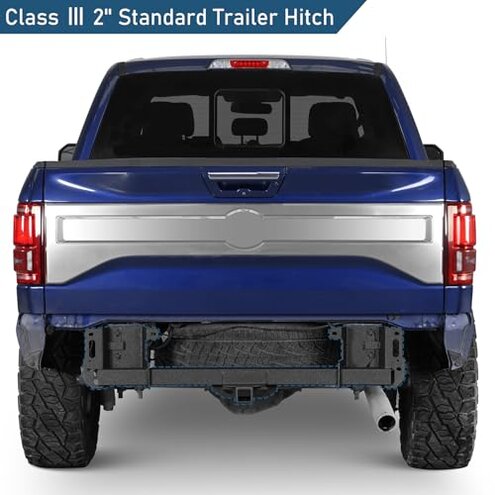
- Avoid it if you want a truly low-drama install with minimal lifting, because alignment friction is among the most common complaints.
- Avoid it if you are a first-time hitch buyer who relies heavily on printed instructions, since guidance appears too basic for some setups.
- Avoid it if you are shopping mainly on value, because the price raises expectations that the install experience may not meet.
- Avoid it if you plan a solo driveway install with limited tools, as the hidden need for support or a helper exceeds normal category tolerance.
Who this is actually good for
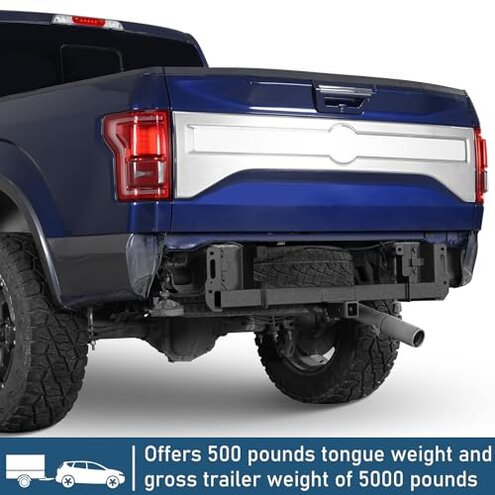
- Good fit for buyers comfortable adjusting and supporting heavy parts during install, because the main downside is setup friction rather than a clearly unique towing limitation.
- Good fit for owners who already have a jack, workspace, and install experience, since they can better tolerate alignment effort.
- Good fit for shoppers focused on basic hitch function and broad F-150 compatibility, if they accept that convenience may lag behind simpler alternatives.
- Good fit for two-person installs where extra positioning time is not a major problem.
Expectation vs reality
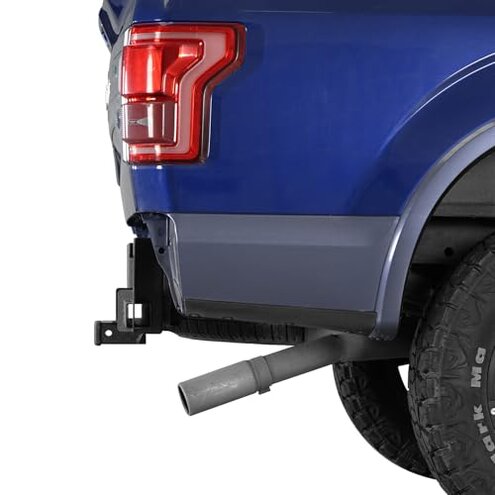
- Expectation: “Direct bolt-on” means a quick afternoon task.
- Reality: Setup time can stretch if the hitch needs repeated repositioning before bolts start.
- Expectation: A reasonable category assumption is that included instructions cover the likely trouble spots.
- Reality: Some buyers seem to need outside videos or extra trial-and-error, which is worse than expected for a mid-range hitch.
- Expectation: A near-$200 hitch should feel confidently sorted from box to final torque.
- Reality: The bigger risk is not towing specs on paper. It is the chance that installation feels more awkward than the listing suggests.
Safer alternatives
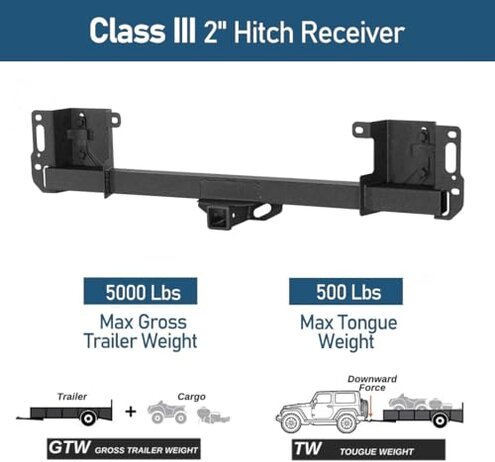
- Choose clearer-fit listings that emphasize install photos and step-by-step instructions, which directly reduces the guidance gap described above.
- Prioritize hitches with repeated mention of easy bolt start and solo-friendly mounting, which helps avoid the alignment fight.
- Look for packaged support such as stronger install documentation or labeled hardware, which lowers first-time installer regret.
- Compare by labor risk rather than towing class alone, because a hitch that installs faster can be the better value even at a similar rating.
The bottom line
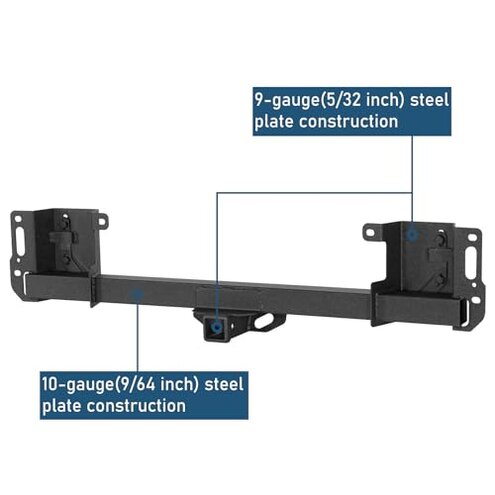
Main regret trigger: Buyers expect a simple direct-fit hitch, then hit more install effort than a typical mid-range alternative. That matters because the extra lifting, alignment fiddling, and limited guidance create a higher-than-normal convenience risk for this category.
Verdict: If you want the easiest path to a finished install, this is one to approach carefully. It makes more sense for experienced installers than for shoppers who want a no-surprise bolt-on upgrade.
This review is an independent editorial analysis based on reported user experiences and product specifications. NegReview.com does not sell products.