
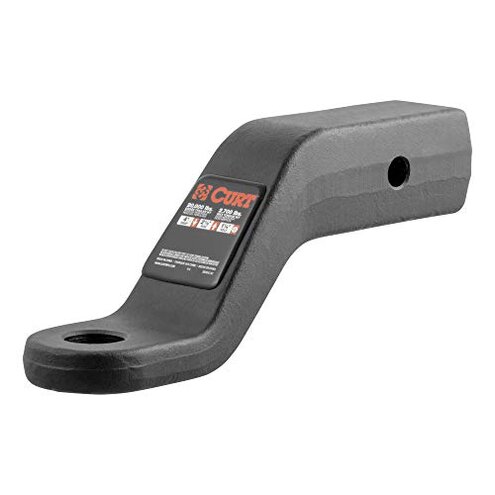
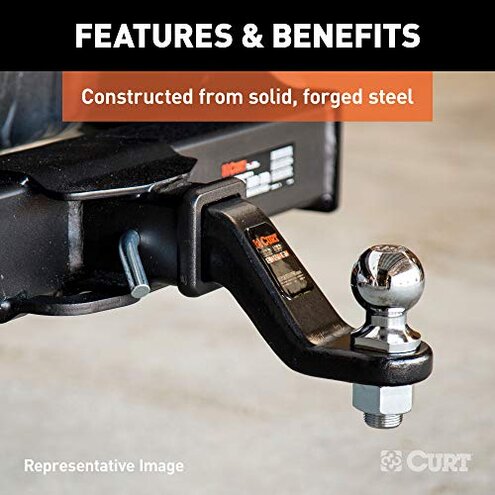
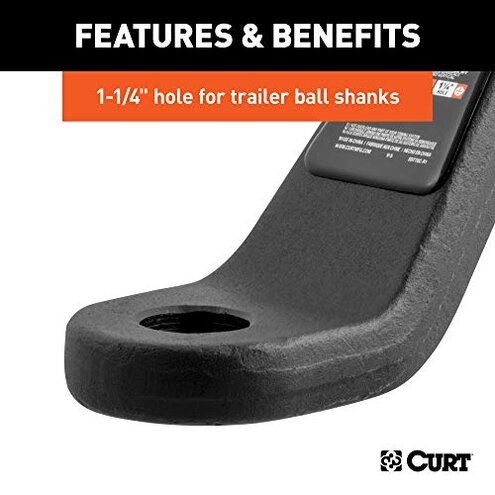
Product evaluated: CURT 45458 Commercial Duty Forged Trailer Hitch Ball Mount, Fits 2-1/2-Inch Receiver, 20,000 lbs, 1-1/4-Inch Hole, 4-Inch Drop, 2-1/2-In Rise
Related Videos For You
How to Install a Ball Mount onto your Vehicle
Hitch Clamp
Data basis: This report reflects analysis of dozens of buyer reviews collected from written feedback and star-rating comments over a multi-year window ending in recent months. Most signals came from short written notes about install and daily towing, with supporting detail from longer ownership updates. Themes were weighted toward repeatable, use-moment problems like fit, finish wear, and what buyers had to purchase separately.
| Buyer outcome | CURT 45458 | Typical mid-range option |
|---|---|---|
| Receiver fit | More finicky reports, especially at first install | More forgiving slide-in fit for many trucks |
| Coating wear | Faster scuffs noticed after repeated insertions | Normal scuffs, but less complaint volume |
| Rattle/noise | More noticeable clunking if clearance is loose | Typical hitch play, fewer “surprised” reactions |
| Hidden extras | Common surprise that key parts are sold separately | More often bundled or clearer in listings |
| Regret trigger | First-use hassle when it won’t slide in smoothly | Lower risk of immediate “doesn’t fit” frustration |
Why won’t this hitch slide in like it should?
Regret moment happens at first install when you expect a simple slide-in, but the shank feels tight or inconsistent.
This is a primary issue pattern that appears repeatedly, though it is not universal across all vehicles and receivers.
When it shows: it comes up right away during setup, and it feels worse if your receiver opening has paint, rust, or is slightly out of square.
Why it feels worse: most mid-range ball mounts are “good enough” tolerance-wise, so extra fiddling reads as a product problem, not normal hitch life.
What buyers end up doing is extra steps before they can tow.
Mitigation tends to work, but it adds time and tools you may not expect.
- Early sign is needing two hands and wiggling to start insertion.
- Frequency tier is primary, showing up repeatedly in install-focused feedback.
- Worse conditions include dirty receivers and frequent swapping between mounts.
- Impact is delayed hookup when you are already loaded and ready to leave.
- Workarounds commonly include cleaning the receiver and lightly dressing contact spots.
- Fixability is usually possible, but it is still buyer effort, not plug-and-play.
- Hidden cost can be time, plus any tools or supplies you did not plan to use.
Why does it start looking beat up so fast?
- Regret moment is noticing visible scuffs and bare spots sooner than expected.
- Pattern is recurring in ownership updates, especially with frequent insert/remove use.
- When it shows is after repeated receiver insertions and pin installs.
- Worse conditions include winter road grime and leaving it on the truck full-time.
- Category contrast is that scuffs are normal, but faster cosmetic wear feels more disruptive than most mid-range alternatives.
- Impact is more concern about rust and more “maintenance thinking” than buyers wanted.
- Mitigation is touch-up paint or protective grease, which adds ongoing upkeep.
- Expectation gap is buyers read “corrosion-resistant” and expect slower visible aging.
Why does it clunk and rattle on the road?
- Regret trigger is hearing a clunk over bumps after you thought the hookup was secure.
- Pattern appears repeatedly, but it depends heavily on receiver-to-shank clearance.
- When it shows is during daily driving, especially unloaded or on rough roads.
- Worse conditions include longer drives where noise becomes harder to ignore.
- Category contrast is that some play is normal, yet buyers describe this as more noticeable than expected for a commercial-duty mount.
- Root cause is typically hitch slack, not a single “broken” part.
- Attempts often include trying different pins or adding an anti-rattle solution.
Wait, what else do I have to buy to tow?
Regret moment hits after unboxing when buyers realize towing still needs additional items.
This is a secondary issue that shows up persistently in shopping-stage feedback, because the product is “ready to tow” only after you add missing basics.
- Hidden requirement is that a compatible hitch ball is sold separately.
- Also missing is that a hitch pin is sold separately for many setups.
- When it shows is immediately at setup, often right before a planned trip.
- Category contrast is that many mid-range kits bundle the common pieces, so the extra run feels avoidable.
- Impact is a delayed tow and extra shopping steps.
- Mitigation is easy if you plan ahead, but it is painful if you assumed a complete package.
Illustrative excerpt: “It’s heavy-duty, but it took forever to get into the receiver.”
Pattern level: primary install-fit frustration that appears repeatedly.
Illustrative excerpt: “After a few swaps, the finish looks rougher than I expected.”
Pattern level: secondary wear concern that worsens over time.
Illustrative excerpt: “Clunks on bumps unless I add something to tighten it.”
Pattern level: secondary noise issue tied to receiver clearance.
Illustrative excerpt: “Didn’t realize I still needed a ball and pin to use it.”
Pattern level: secondary hidden-extras surprise during setup.
Who should avoid this
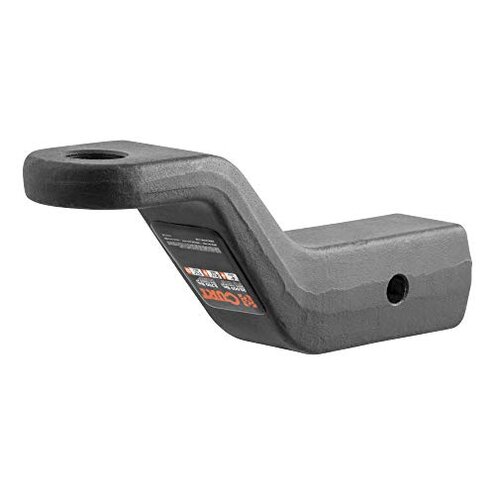
- Time-sensitive towers who need a smooth first install, because fit fuss is a common early frustration.
- Noise-sensitive drivers who hate clunking, because rattle risk can be more noticeable than expected.
- Low-maintenance buyers who want set-and-forget, because finish wear can push you into touch-ups.
- First-time hitch owners who expect a complete package, because sold-separately parts are a recurring surprise.
Who this is actually good for
- Prepared DIY owners who will clean the receiver and test-fit, because install friction is manageable with patience.
- Fleet-style users who already stock pins and balls, because extra purchases are not a blocker.
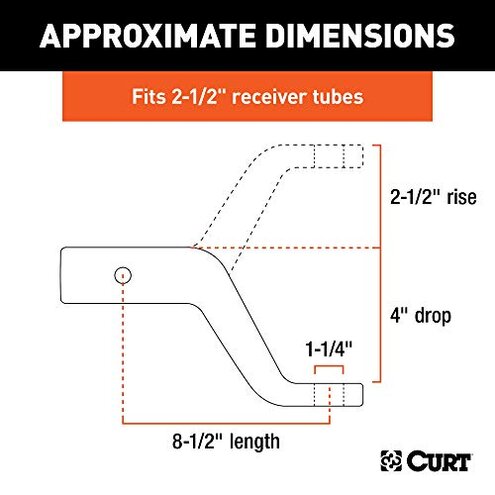
- Heavy tow setups that specifically need a 2-1/2-inch receiver mount with a 4-inch drop, if you can tolerate minor fit tuning.
- Buyers who repaint gear periodically, because cosmetic wear is less emotionally costly for them.
Expectation vs reality
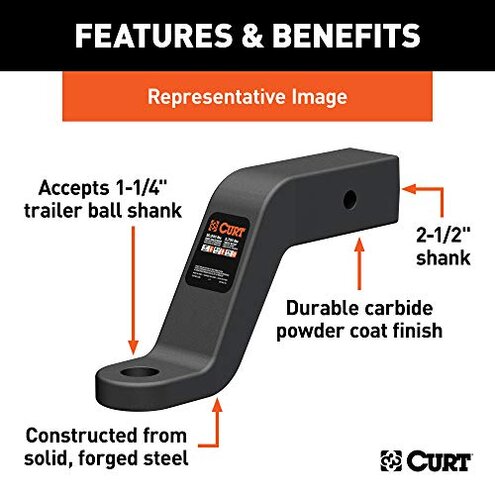
Expectation: Reasonable for this category is minor scuffing over time.
Reality: Faster-looking wear is a repeat complaint when the mount is inserted and removed often.
- Expectation is a simple slide-in install.
- Reality is extra fiddling for some receivers right out of the box.
- Expectation is “ready to tow” means minimal extra shopping.
- Reality is separate pin and separate ball catches some buyers off guard.
Safer alternatives
- Prioritize tolerance by choosing a mount line known for easier slide-in fit, which directly reduces the first-install regret trigger.
- Buy a kit that bundles pin and ball, which neutralizes the hidden extras problem.
- Add anti-rattle hardware at purchase time, which targets the clunking complaint before your first drive.
- Pick finish options aimed at frequent swapping, which helps if cosmetic wear is a deal-breaker.
The bottom line
Main regret trigger is first-use hassle when the mount does not slide into the receiver smoothly.
Why it exceeds normal risk is the combination of repeated fit complaints and the sold-separately surprises that can delay towing.
Verdict: Avoid if you need a no-drama install or a complete setup, and consider alternatives that are more forgiving and better bundled.
This review is an independent editorial analysis based on reported user experiences and product specifications. NegReview.com does not sell products.