
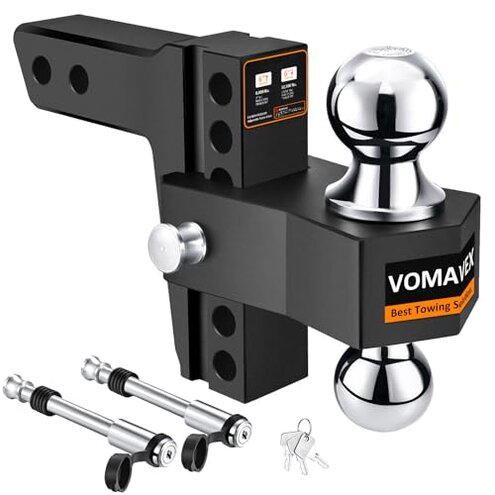
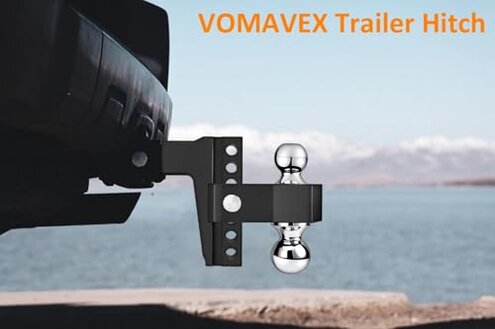
Product evaluated: Adjustable Trailer Hitch-Drop Hitch Fits 2-Inch Receiver -6" Drop/Rise Tow Hitch with 2" and 2-5/16" Tow Balls-12,500GTW with Double Anti-Theft Pins Locks, Black
Related Videos For You
How To Set up A Weight Distribution Hitch - CURT
How to Determine the Right Rise or Drop of Your Ball Mount
Data basis: This report is based on dozens of buyer signals collected from a mix of written reviews, star ratings, and buyer Q&A style feedback, gathered across a recent 12-month window ending this month. Most of the usable detail came from longer written notes, supported by shorter “quick rating” posts that mainly confirm the same themes.
| Buyer outcome | This hitch | Typical mid-range hitch |
|---|---|---|
| Receiver fit | Less forgiving when tolerances are tight | More consistent slide-in fit for most 2-inch receivers |
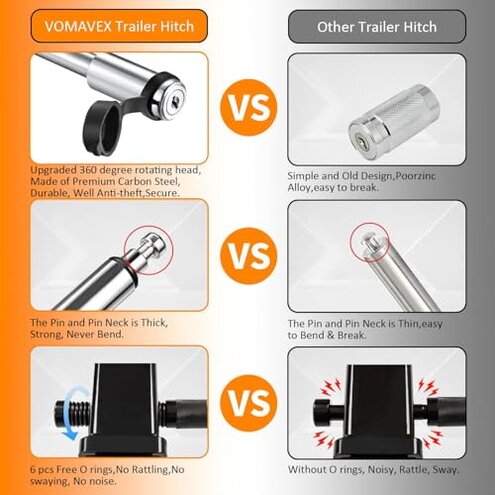
| Lock usability | More finicky key/cover handling in daily use | Simpler locks or standard pins many already own |
| Adjusting height | Extra steps to align holes and re-pin | Faster adjustment with looser fit and clearer markings |
| Noise & play | More noticeable clunk if fit is loose | Typical play, often reduced with anti-rattle parts |
| Regret trigger | “Doesn’t fit like a normal 2-inch hitch” moments | “Works out of the box” is more common |
“Why won’t it slide into my 2-inch receiver?”
Regret usually hits during first install, when you expect a simple slide-in and pin. Fit trouble shows up as stuck insertion, tight spots, or needing extra force, which feels more disruptive than it should at this price.
Pattern: This is a primary issue that appears repeatedly, though not universal. Worse-than-category: Most mid-range drop hitches are more forgiving across different receiver brands.
Hidden requirement: Some buyers end up needing cleanup work like deburring, cleaning paint buildup, or careful alignment to make it behave like “normal.” That adds time and tools many shoppers did not plan for.
- Early sign: You feel binding before the shank is fully seated.
- When it hits: It shows up on first install, especially on receivers with tighter tolerances.
- Frequency tier: This is a primary complaint across multiple feedback surfaces.
- What you notice: The hitch needs wiggling or extra force instead of sliding smoothly.
- Why it’s worse: Mid-range options often tolerate small receiver differences better, so this feels less plug-and-play.
- Mitigation: Buyers report better results after cleaning the receiver and lightly addressing rough edges.
- Dealbreaker case: If you can’t do tool-based tweaks, the fit problem becomes hard to fix.
“Why is it clunking or feeling loose when towing?”
- Regret moment: You notice noise and shifting during starts, stops, or bumpy roads.
- Pattern: This is a secondary issue, but it’s persistent when it happens.
- When it hits: It tends to show up after setup, once you drive and load changes tug on the connection.
- Conditions: It’s worse with frequent towing or rough pavement that amplifies play.
- Category contrast: Some movement is normal, but buyers describe it as more noticeable than expected without extra parts.
- Hidden need: Several signals point to wanting an anti-rattle clamp to quiet it down.
- Impact: The noise can feel like a safety worry even when the setup is technically secure.
- Mitigation: Tightening with add-ons can reduce it, but that’s extra cost and extra steps.
“Why do the locks feel fussy day to day?”
- Regret moment: You need to swap height or flip the ball and the locks slow you down.
- Pattern: This shows up as a secondary complaint that appears repeatedly in daily-use notes.
- When it hits: It’s most noticeable during frequent adjustments or when you are in a hurry.
- Conditions: It can be worse in bad weather when keyholes and covers are harder to manage.
- Category contrast: Many mid-range hitches use simpler pins, so “finicky lock” feels more annoying than expected.
- User impact: The hassle adds time to a task that should be quick.
- Mitigation: Keeping the key area clean and practicing alignment reduces the struggle for some buyers.
“Why is adjusting height more work than I expected?”
- Regret moment: You plan a quick change between trailers, but hole alignment takes multiple tries.
- Pattern: This is an edge-case issue, but it’s more frustrating when it hits.
- When it hits: It shows up during adjustments, especially if the unit is under slight tension.
- Conditions: It’s worse when working alone or on uneven ground where parts shift.
- Category contrast: Adjustable hitches always take effort, but buyers expected smoother alignment given the “easy adjust” promise.
- Workaround: Supporting the mount to remove load can make pin holes line up faster.
Illustrative excerpt: “It’s a 2-inch receiver, but it won’t go in smoothly.”
Pattern tag: This reflects a primary fit-tolerance theme that appears repeatedly.
Illustrative excerpt: “Had to mess with the receiver before it would seat fully.”
Pattern tag: This matches a primary hidden-effort theme during first install.
Illustrative excerpt: “Locks work, but they’re annoying when you’re adjusting often.”
Pattern tag: This aligns with a secondary usability theme during daily handling.
Illustrative excerpt: “It clunks more than my old hitch unless I tighten it up.”
Pattern tag: This reflects a secondary noise/play theme after setup.
Illustrative excerpt: “Changing height sounded easy, but lining holes up takes time.”
Pattern tag: This matches an edge-case adjustability friction theme.
Who should avoid this
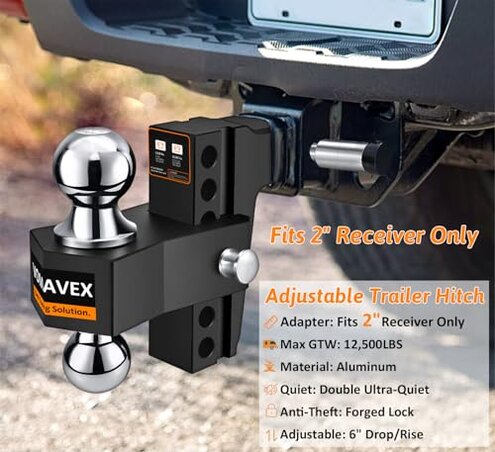
- Zero-tool buyers who expect a perfect slide-in fit on first try, because fit variance is a primary regret trigger.
- Frequent towers who can’t tolerate clunking, because play/noise can be more noticeable than mid-range norms.
- Multi-trailer users changing height often, because the locks and alignment steps can add daily friction.
- Bad-weather users who constantly handle keys and covers, because fussy access becomes more annoying with cold or wet hands.
Who this is actually good for
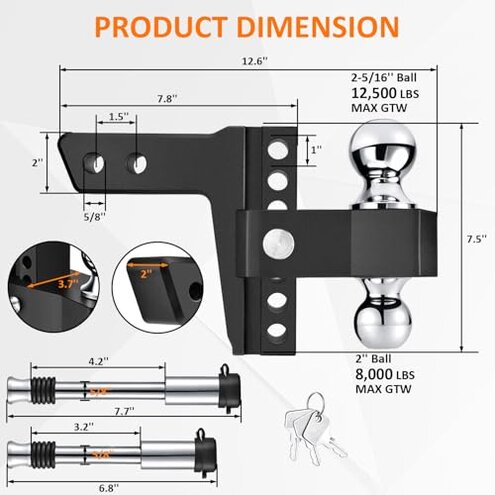
- Occasional towing where you set the height once and leave it, because you can tolerate adjustment friction infrequently.
- DIY-friendly owners who don’t mind minor cleanup, because the fit risk can be mitigated with basic tools and patience.
- Theft-worried buyers who value included locks, because you can accept lock fussiness in exchange for less pin swapping.
- Two-ball users who like flipping sizes without carrying extra parts, if you can tolerate some setup time.
Expectation vs reality
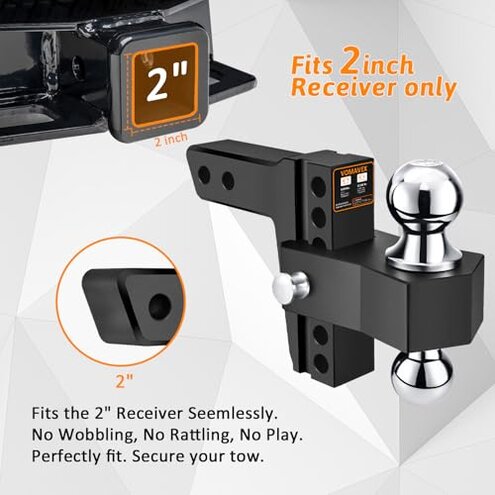
Expectation: A 2-inch receiver hitch should slide in with only light wiggling.
Reality: Buyer signals show tight fit is a primary issue that can require extra steps.
Expectation: Some hitch movement is reasonable for this category.
Reality: The reported clunk can be more distracting than typical unless you add anti-rattle help.
- Expectation: Included locks should make ownership easier.
- Reality: Daily handling can feel fussier than a simple pin if you adjust often.
Safer alternatives
- Prioritize fit: Choose a mid-range hitch known for consistent receiver tolerances to reduce the won’t-insert risk.
- Add anti-rattle: If you buy any adjustable hitch, budget for an anti-rattle clamp to neutralize the noise/play complaint.
- Simpler pins: If you adjust often, consider setups with standard pins rather than lock-first systems to reduce daily friction.
- Proof-check sizing: Measure your receiver opening and check for burrs to avoid tight tolerance surprises at install time.
The bottom line
Main regret is the first-install “2-inch but doesn’t fit right” moment, which shows up as a primary pattern in buyer feedback. That exceeds normal category risk because mid-range alternatives are typically more forgiving in real-world receivers. If you want plug-and-play with minimal tinkering, this is a smart one to skip.
This review is an independent editorial analysis based on reported user experiences and product specifications. NegReview.com does not sell products.