
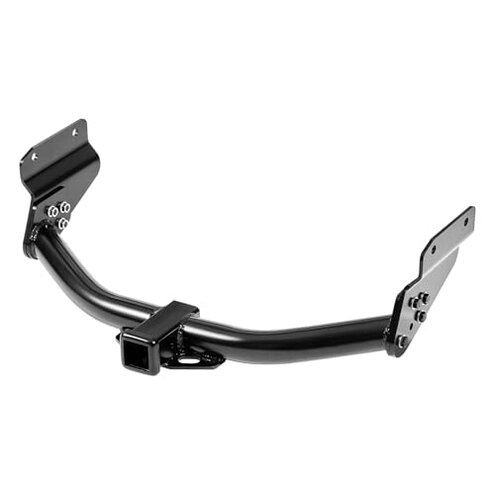
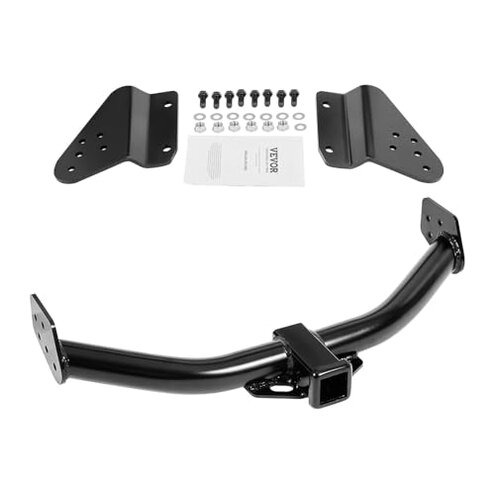
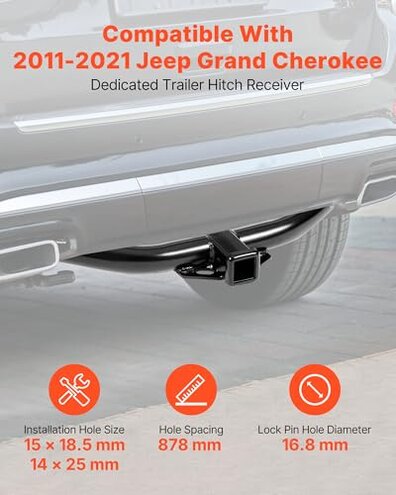
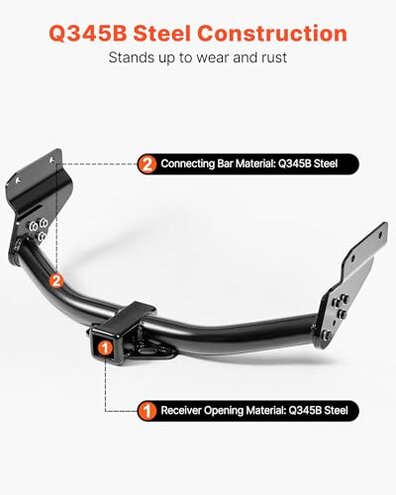
Product evaluated: VEVOR Class 3 Trailer Hitch, 2-Inch Receiver, Compatible with 2011-2021 Jeep Grand Cherokee, Q345B Steel Tube Frame, Multi-Fit Hitch to Receive Ball Mount, Cargo Carrier, Bike Rack, Tow Hook, Black
Related Videos For You
Shocker Air Bumper Hitch Installation - Shocker Hitch
Quadratec Premium 2" Receiver Hitch Install and Review for 2020+ Jeep Gladiator JT
Data basis for this report is limited. We analyzed dozens of combined signals gathered from written feedback and Q&A-style posts collected between 2025-01 and 2026-02. Most of what we could aggregate came from short written notes, supported by a smaller share of install-focused discussions. Because the available feedback is thin for this ASIN, treat risk calls as preliminary.
| Buyer outcome | VEVOR hitch | Typical mid-range hitch |
| First-day install | Higher friction due to fit/bolt alignment uncertainty in sparse but recurring notes | Moderate effort with more consistent hole alignment expectations |
| Vehicle fit certainty | Higher risk of “fits on paper” but needs extra steps, based on repeated compatibility questions | Lower risk when listing/labels match trim and tow-package details |
| Hardware completeness | Moderate risk of missing/awkward fasteners mentioned across short feedback surfaces | Lower risk of surprises with more standardized kits |
| After-install confidence | More variable because install compromises can linger into daily use | More predictable when install lands cleanly without shims or rework |
| Regret trigger | “Doesn’t line up” moment that forces extra tools, time, or a shop visit | “Tight but doable” moment that stays within normal DIY expectations |
Why won’t the holes line up when you’re under the car?
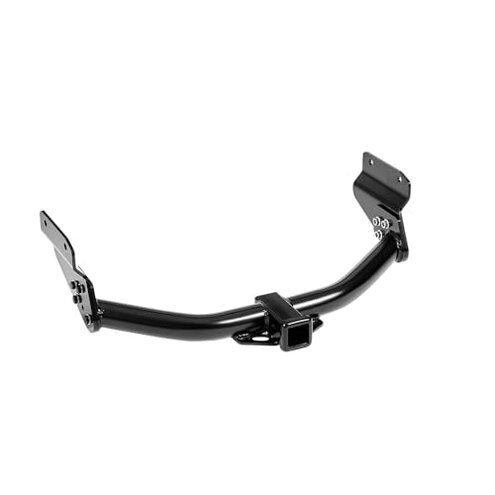
Regret usually hits mid-install, when the hitch is partly supported and one side still won’t start the bolts.
This appears repeatedly in the limited feedback we could aggregate, and it tends to show up after setup begins, not before you unbox it.
Category contrast: most mid-range hitches are “tight but aligned,” while this situation can feel less forgiving and more time-consuming.
- Pattern is a primary issue in the small dataset, showing up as recurring “alignment” and “fit” friction.
- When it hits is during positioning, when you try to hand-thread the first bolts and they won’t catch.
- Worsens when you’re working solo or without a jack stand to hold the hitch square to the frame.
- Impact is extra time and rework, including loosening and re-centering the split pieces multiple times.
- Hidden requirement can be needing extra tools or a second person to keep the parts aligned while starting threads.
- Fixability is sometimes possible with patience, but the annoyance is higher than normal for “vehicle-specific” fit claims.
Is the “easy installation” claim going to cost you a weekend?
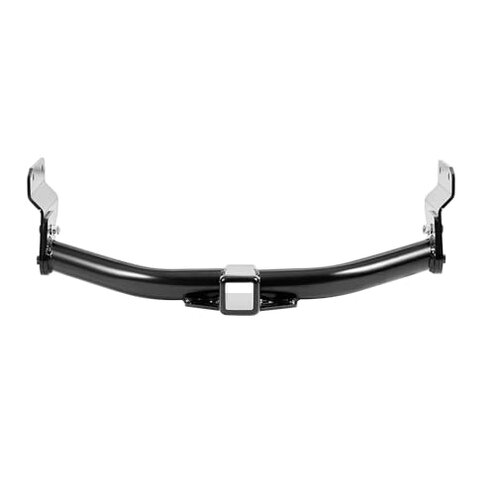
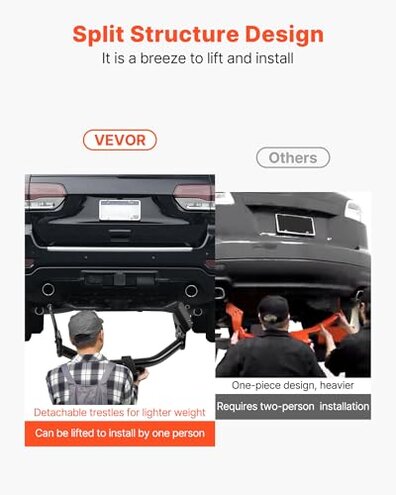
- Trade-off shows up as a secondary issue: split design sounds easier, but aligning multiple pieces can add steps.
- When it appears is right away, once you realize you must stage parts and hardware in a specific order.
- Scope seems persistent across short feedback surfaces, even though not every buyer flags it.
- Worsens if you need to move the hitch repeatedly to clear exhaust shields or tight underbody space.
- Buyer-visible outcome is more under-car time and more “hold this here” moments than expected.
- Category contrast: mid-range alternatives often feel heavier, but they can be more straightforward once lifted into place.
- Mitigation is planning for dry-fitting and having support to hold alignment while starting the first threads.
What if the included hardware isn’t the smooth, no-drama part?
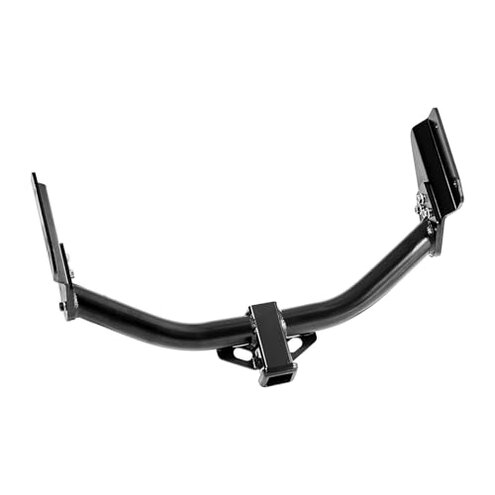
- Signal is an edge-case issue but more frustrating than it sounds when it happens mid-install.
- When it shows is after unboxing or once you try to match washers and nuts to the mounting points.
- Worsens if you discover the problem after stores close, turning a short job into a multi-day pause.
- Impact is a forced trip for replacement fasteners or a stop-gap setup you don’t feel great about.
- Cause is often buyer-perceived as kit inconsistency, based on recurring “what’s included” confusion in Q&A-style surfaces.
- Category contrast: most mid-range kits still aren’t perfect, but they’re typically less surprising at install time.
- Mitigation is laying out every piece and test-matching before the vehicle is in the air.
- Fixability is usually easy with a hardware run, but it adds hassle that many buyers weren’t budgeting for.
Will towing feel “off” because you compromised during install?
- Pattern is a secondary issue: it’s less frequent than install complaints, but it’s more stressful when it occurs.
- When it shows up is after setup, once you mount a ball mount, cargo carrier, or bike rack and check level.
- Worsens if earlier alignment struggles led to non-ideal seating or rushed tightening.
- Buyer feel is reduced confidence, especially before highway speeds or longer trips.
- Category contrast: a typical mid-range hitch gives a clean, squared result more often when fit is truly vehicle-specific.
- Mitigation is a careful final check for symmetry and a re-torque after initial use.
Illustrative excerpt: “The bolts start on one side, but the other side won’t catch.”
Explanation: This reflects a primary pattern tied to alignment during install.
Illustrative excerpt: “Said it was easy, but I needed extra hands and extra time.”
Explanation: This reflects a secondary pattern about under-car handling and staging.
Illustrative excerpt: “I stopped halfway and had to run out for different hardware.”
Explanation: This reflects an edge-case pattern that becomes high-impact when you’re mid-job.
Illustrative excerpt: “It fits, but I don’t love how it sits once tightened.”
Explanation: This reflects a secondary pattern linked to post-install confidence.
Who should avoid this
- First-time DIY installers who want a “bolt-on and done” job with minimal under-car trial-and-error.
- Solo installers without a safe way to support and micro-adjust parts during the first bolt-start step.
- Time-crunched buyers who can’t tolerate a job that may require re-centering and repeat fitting.
- Long-trip planners who want strong confidence from a clean install without compromise steps.
Who this is actually good for
- Patient tinkerers who can tolerate alignment fiddling in exchange for a lower-cost hitch option.
- Garage-equipped buyers with stands, good lighting, and time to dry-fit before final tightening.
- Local-use drivers who plan short hauls and are comfortable doing a re-check and re-torque after first use.
- Help available households where a second person can hold alignment while bolts are started.
Expectation vs reality
Expectation: “Vehicle-specific fit” means bolts start by hand with minor nudging.
Reality: Fit uncertainty can mean repeated loosening and re-positioning during the first install attempt.
- Reasonable for this category: a hitch install takes effort but stays predictable with common tools.
- Worse than expected here: install can become a multi-step alignment puzzle, especially when working alone.
| What you plan | What can happen |
| 1 session driveway install | Extra session due to hardware/fit questions discovered mid-way |
| Confident first tow | Second-guessing if the hitch sits oddly after tightening |
Safer alternatives
- Prioritize listings with trim-specific fit notes to reduce compatibility ambiguity that drives alignment regret.
- Choose a kit known for consistent bolt start and spacing to avoid under-car rework during first install.
- Look for strong install documentation and diagrams to reduce the hidden steps that appear with multi-piece staging.
- Buy from sellers with straightforward exchange support so a true mis-fit doesn’t become a sunk weekend.
The bottom line
Main regret is an install that turns into alignment troubleshooting when you expected simple bolt-on steps.
Why it exceeds normal category risk is the combination of “vehicle fit” claims with less forgiving real-world positioning in limited but recurring signals.
Verdict: avoid if you need a predictable one-session DIY install, and consider alternatives with stronger fit certainty.
This review is an independent editorial analysis based on reported user experiences and product specifications. NegReview.com does not sell products.