
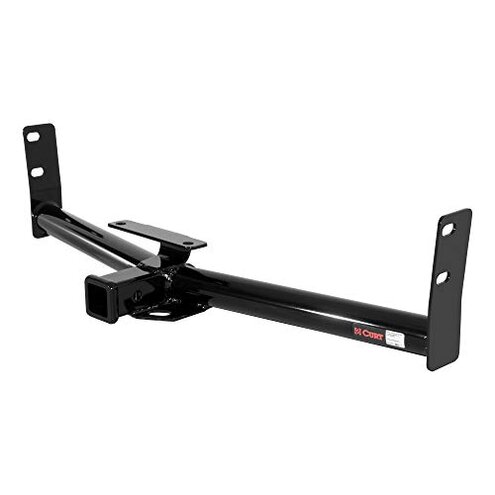
Product evaluated: CURT 13591 Class 3 Trailer Hitch, 2-Inch Receiver, Fits Select Chevy Equinox, GMC Terrain, Pontiac Torrent, Saturn Vue
Related Videos For You
How to Set Up a Weight Distribution Hitch
Platform vs Hanging Bike Racks: Which One is Best?
Data basis for this report comes from analyzing dozens of mixed buyer feedback collected from written reviews and photo-backed install notes, spanning 2013–2026. Most signals came from longer written install stories, with supporting evidence from images showing alignment and clearance outcomes. The emphasis here is on repeatable regret patterns tied to real install and towing moments.
| Buyer outcome | This CURT hitch | Typical mid-range hitch |
| Install predictability | Higher risk of surprise steps during mounting | More consistent bolt-up with fewer extra steps |
| Vehicle fit | More reports of alignment and clearance frustration | Usually cleaner alignment on “custom fit” listings |
| Rust resistance | Mixed outcomes depending on climate and touch-ups | More predictable finish durability at this price tier |
| Accessory compatibility | Known limitation with some vertical-hanging bike racks | Broader rack compatibility is more common |
| Regret trigger | “It fits” but needs extra work or won’t match your rack use | Fewer surprises after purchase and during first install |
“Why did a ‘custom fit’ hitch turn into an afternoon project?”
Regret usually hits during the first install when holes don’t line up as cleanly as expected. The trade-off is you may save money up front, but you spend it back in time and setup stress.
Pattern wise, this appears repeatedly in install-focused feedback, though it is not universal. It tends to worsen when you’re installing solo, working on the ground, or dealing with older vehicles where alignment is less forgiving.
Worse-than-normal for this category is that many mid-range “vehicle-specific” hitches still bolt up with fewer fight-the-holes moments. Here, the same “custom” promise more often comes with extra steps buyers didn’t plan for.
Illustrative excerpt: “The holes were close, but nothing wanted to start.” Primary pattern tied to first-install alignment.
“Why is my bike rack suddenly ‘not compatible’ after I already own it?”
- Hidden limit shows up after purchase when buyers try a vertical-hanging style rack and notice it is not compatible with this receiver setup.
- Frequency is secondary but persistent because it depends on what rack you already own or plan to buy.
- Trigger moment is the first time you insert the rack and can’t get safe, stable positioning without interference.
- Category contrast is rough because many mid-range class 3 receivers are used specifically for bike racks, so a compatibility caveat feels more surprising than it should.
- Buyer impact is extra returns, adapter shopping, or swapping to a different rack style you didn’t want.
- Workarounds can exist, but feedback commonly frames them as adding extra steps and reducing confidence.
- Illustrative excerpt: “Bought it for a rack, then learned my style won’t work.” Secondary pattern tied to accessory choice.
“Why does it look lower or more ‘in the way’ than I expected?”
- Clearance complaints show up during daily use, like pulling into driveways or lining up accessories, where the receiver feels more noticeable.
- Pattern is secondary and seems more common on certain vehicle setups and suspension heights.
- When it worsens is with steeper inclines, frequent curb ramps, or if you often keep a ball mount installed.
- Category baseline is that most hitches reduce clearance a bit, but buyers describe this as more intrusive than expected for a “custom fit.”
- Early sign is noticing the receiver sits more visibly under the bumper than photos led you to assume.
- Impact includes occasional scraping risk, more cautious driving angles, and annoyance when you didn’t plan to change habits.
- Mitigation is often swapping mounts or removing accessories between uses, which adds handling effort.
- Illustrative excerpt: “I didn’t think I’d have to change how I pull in.” Secondary pattern tied to clearance.
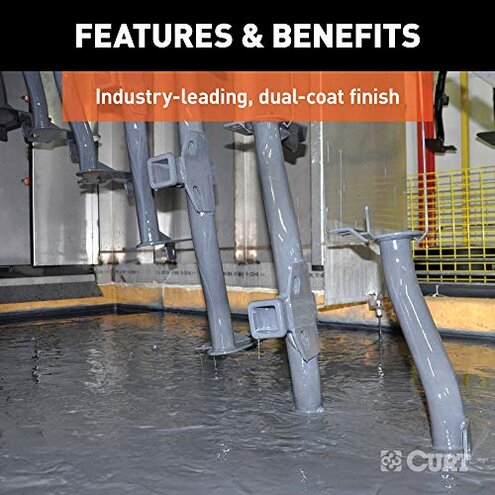
“Is the finish really as ‘rust-resistant’ as the listing sounds?”
- Rust worry tends to appear after weeks or months, especially in wet or salted-road areas where chips become visible faster.
- Frequency is an edge-case to secondary pattern, but it is more frustrating when it happens because it feels early for this price.
- Category contrast is that mid-range alternatives often still need touch-ups, but buyers expect fewer early blemishes from a dual-coat claim.
- Real moment is the first under-car look after a winter or a few rainy trips, when orange spots or flaking become noticeable.
- Impact is extra maintenance, cosmetic regret, and concern about long-term durability even if towing remains fine.
- Mitigation commonly involves cleaning and coating touch-ups, which adds upkeep compared to “install and forget” expectations.
- Illustrative excerpt: “The hitch works, but the finish didn’t stay nice.” Edge-case pattern tied to environment.
Who should avoid this
Bike rack owners who use vertical-hanging designs should avoid this, because the compatibility limitation can force returns or a new rack.
DIY-only installers who want a predictable bolt-up should avoid it, since alignment headaches appear repeatedly during first install for some vehicles.
Low-clearance drivers with steep driveways should be cautious, because receiver position complaints show up during daily use and can change driving habits.
Rust-sensitive buyers in harsh climates may want another option, because finish durability outcomes look more mixed than typical mid-range expectations.
Who this is actually good for
Budget-focused towing buyers who can tolerate extra install time may be fine, because the primary pain is setup friction, not the weight ratings.
Owners with tools and a helper can live with it, since many of the worst moments happen when starting bolts and holding the hitch in place.
Non-vertical rack users can be okay, because the biggest compatibility risk is tied to a specific rack style.
Dry-climate drivers who don’t face road salt may see fewer finish issues, making maintenance less of a factor.
Expectation vs reality
- Expectation: A “custom fit” hitch should mount with minimal fighting, which is reasonable for this category.
- Reality: Install feedback shows repeat reports of alignment and extra-step surprises during first setup.
| What you expect | What some buyers hit |
| Rack friendly receiver use | Compatibility caveat with vertical-hanging racks |
| Set-and-forget finish | Touch-ups needed sooner in harsher conditions |
| Out-of-sight clearance | More noticeable receiver position in daily driving |
Safer alternatives
- Confirm fit by watching a vehicle-specific install video for your exact model, to reduce alignment surprise risk.
- Match racks by choosing a receiver and hitch combo explicitly proven with your rack style, to avoid the vertical-rack limitation.
- Prioritize clearance by comparing installed photos on similar vehicles and choosing a design known for better tuck under the bumper.
- Plan coating by selecting a hitch with stronger real-world finish feedback in salted-road regions, reducing rust upkeep.
The bottom line
Main regret is buying a “custom fit” hitch and then spending extra time on install or discovering an accessory compatibility limitation. The risk feels higher than normal for mid-range hitches because the pain points show up at the exact moments buyers expect simplicity: first install and first rack use. If you want the lowest chance of surprises, this is a product to skip unless you’ve validated your vehicle fit and rack style first.
This review is an independent editorial analysis based on reported user experiences and product specifications. NegReview.com does not sell products.