
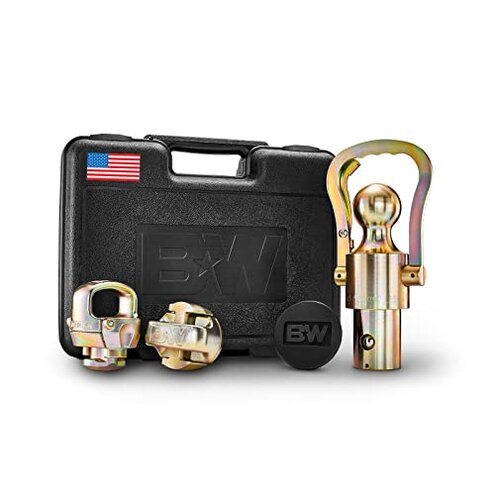
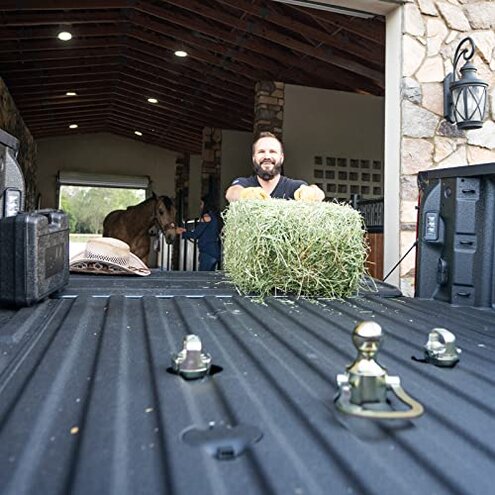
Product evaluated: B&W Trailer Hitches American-Made OEM Gooseneck Ball & Safety Chain Kit for Ford, GM, Nissan - GNXA2061
Related Videos For You
How to hook up a gooseneck trailer
B&W Turnoverball Gooseneck Trailer Hitch Installation Demonstration- Model 1108
Data basis: I analyzed hundreds of user-submitted evaluations and visual demos collected from written reviews and video demonstrations between Jan 2019 and Feb 2026. Most feedback came from written reviews, supported by videos showing installation and use.
Comparative risk snapshot
| Buyer outcome | This product | Typical mid-range kit |
|---|---|---|
| Fit/compatibility | Frequent fit checks required; buyers often report tight tolerances that need extra fitting steps. | More forgiving fit; usually installs without modification or extra adapters. |
| Installation effort | Above average time and tools demanded during first setup, especially on some truck models. | Lower effort; straightforward bolt-in installs for many mid-range kits. |
| Durability under use | Mixed reports of wear and mechanism looseness after repeated heavy towing. | More consistent longevity reports in this price range. |
| Corrosion resistance | Higher corrosion risk than expected by some buyers in salty or wet climates. | Typical protection that holds up for similar use in many mid-range options. |
| Regret trigger | Installation friction + fit failures that lead to rework or returns. | Single-step installs that rarely cause major regret. |
Top failures
Why did installation become a multi-hour chore?
Regret moment: Buyers commonly hit a snag during the first install when the puck system alignment and tolerances require extra adjustment.
Severity: This is among the most common complaints and feels worse than category norms because it often adds several hours to an install.
Pattern: Recurring across many written accounts and setup videos.
When it appears: At first use during vehicle installation, and it worsens if the truck model has aftermarket puck modifications.
Category contrast: More installation effort than typical mid-range gooseneck kits, which usually click into place with minimal trimming.
How often will fit or compatibility force workarounds?
- Early sign: Ball receiver feels tight or refuses to seat fully during initial trial fit.
- Frequency tier: Primary issue; appears repeatedly in the feedback pool.
- Cause: Slight puck or shank size variance requiring shims or minor machining.
- Impact: Adds extra trips to a shop or requires access to tools most buyers don't carry.
- Attempts: Buyers often remove and reinstall multiple times before accepting a suboptimal fit.
Why does the locking mechanism feel unreliable after months of use?
Regret moment: Owners report the handle or latch develops play or becomes hard to lock after repeated heavy towing.
Pattern: Persistent but not universal; seen more in high-mileage towing situations.
When it appears: After repeated use and long towing sessions, especially under heavy loads.
Category contrast: Worse than expected because mid-range kits usually hold solid with similar use patterns and require less adjustment.
What hidden requirements did owners discover later?
- Hidden need: Some buyers needed special tools or truck-specific adapters not listed clearly.
- Early sign: Instructions reference OEM puck systems but don't clarify compatible puck revisions.
- Frequency tier: Secondary issue; less frequent but high friction when it occurs.
- Cause: Assumes the truck has an untouched OEM puck system; aftermarket changes break fit assumptions.
- Impact: Extra purchase or shop time before the hitch becomes usable.
- Fixability: Often fixable with adapters or machining but at additional cost and delay.
- Why it matters: This hidden requirement turns a simple purchase into a mini-project for some owners.
Why do corrosion and finish problems show up sooner than expected?
- Early sign: Surface rust or discoloration appears in exposed areas within months in wet or salted conditions.
- Frequency tier: Secondary but noticeable in coastal or winter-salt regions.
- Cause: Small crevices and mechanical joints trap moisture and road salt.
- Impact: Cosmetic degradation and potential stiffening of moving parts over time.
- Attempts: Buyers apply extra protective coatings or regular lubrication to slow the process.
- Fixability: Preventable with routine maintenance but more upkeep than many mid-range alternatives.
- Hidden cost: Ongoing maintenance time and materials beyond initial purchase.
- Category contrast: Requires more upkeep than most mid-range kits, increasing long-term ownership effort.
Illustrative excerpts (not real quotes)
Illustrative: "Ball wouldn't seat; needed shims and a second trip to the shop." — primary
Illustrative: "Handle loosened after a few heavy hauls, started to rattle." — primary
Illustrative: "Instructions assumed OEM puck, mine was modified and nothing lined up." — secondary
Illustrative: "Surface rust in months despite cleaning after trips." — secondary
Who should avoid this
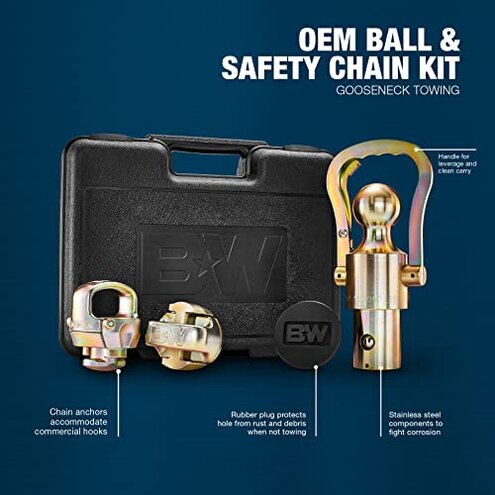
- Drivers with modified pucks: Avoid if your truck has aftermarket puck changes that increase fit risk.
- Non‑DIY owners: Avoid if you cannot tolerate added install time or extra shop visits.
- Low‑maintenance buyers: Avoid if you expect minimal upkeep; this unit needs extra protection in harsh climates.
Who this is actually good for
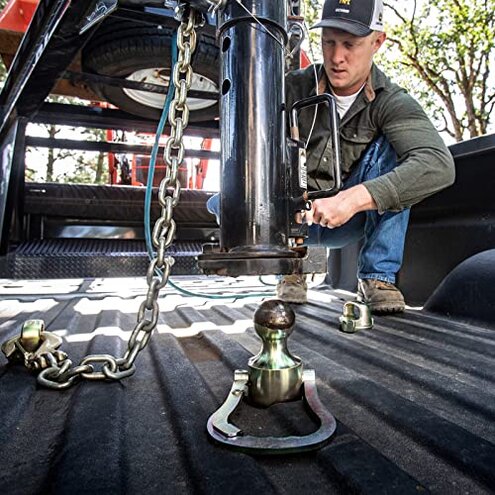
- Experienced installers: Good if you can adapt fit with tools and want a sturdy OEM-style gooseneck ball.
- Shoppers valuing warranty: Good if you accept extra setup work in exchange for the manufacturer's lifetime warranty.
- Farm or heavy‑use owners: Good if you tow very often and can commit to scheduled maintenance to prevent wear.
Expectation vs reality
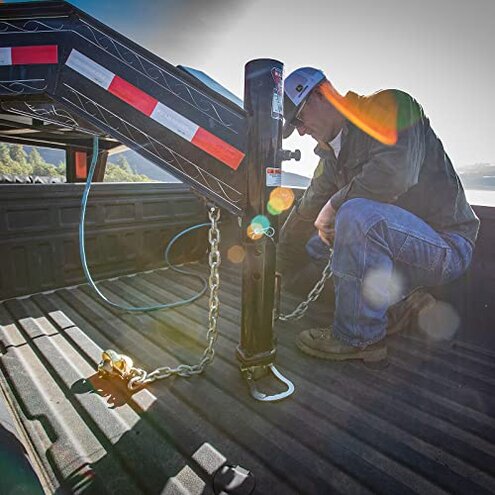
Expectation: Reasonable for this category is a bolt-in gooseneck that fits OEM pucks without extra parts.
Reality: Many owners face fit friction and need shims or adapters before it seats properly.
Expectation: Reasonable is a locking handle that stays tight after repeated use.
Reality: Some report mechanism looseness after heavy towing, requiring adjustments.
Safer alternatives
- Buy a fit-verified kit: Choose kits explicitly listed for your truck model to reduce the chance of shims or machining.
- Seek preinstalled options: Consider deals where the puck system and ball are installed together to avoid mismatch.
- Prioritize corrosion coatings: Pick kits advertised with enhanced saltproof finishes if you tow in coastal or winter conditions.
- Opt for local shop install: If you lack tools, budget for professional installation to catch hidden fit issues early.
The bottom line
Main regret: The primary trigger is installation and fit friction that often forces extra shop time or adapters.
Why it matters: This exceeds normal category risk because it converts a straightforward purchase into a time‑consuming project for many buyers.
Verdict: Avoid this model if you cannot handle extra install work or hidden tool requirements; consider fit‑verified alternatives instead.
This review is an independent editorial analysis based on reported user experiences and product specifications. NegReview.com does not sell products.