
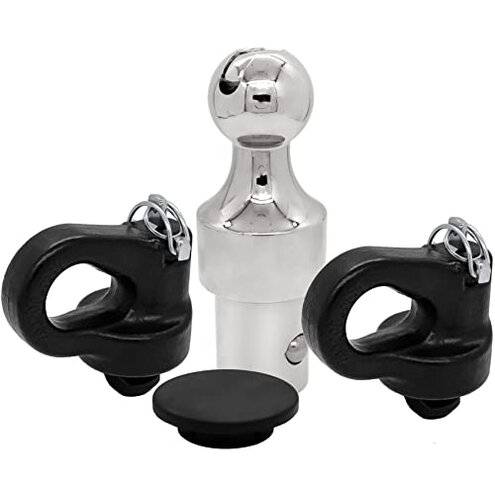
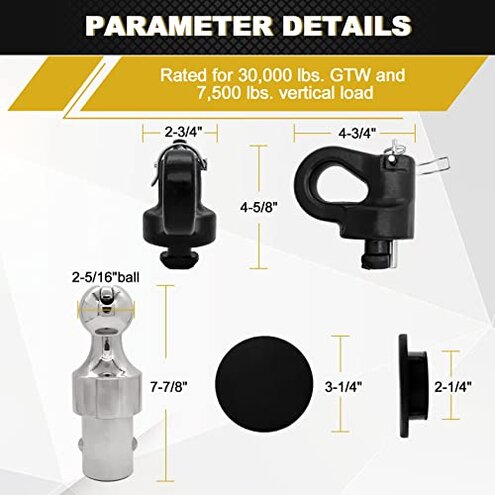
Product evaluated: 60692, Puck System Gooseneck Hitch Ball Kit, Compatible with 2013-2025 Ford F250 F350 F450, 2016-2025 Chevrolet Silverado, GMC Sierra & Nissan Titan XD, 30000 lbs GTW/ 7500 lbs VTW, 2-5/16 Inch Ball
Related Videos For You
How to hook up a gooseneck trailer
FORD FACTORY 5TH WHEEL/GOOSENECK HITCH PREP PACKAGE INSTALL
Data basis: This report used dozens of written reviews and video demonstrations collected from Jan 2023 through Feb 2026, with most feedback coming from written posts and supported by a smaller set of setup videos.
| Outcome | 60692 (this product) | Typical mid-range hitch |
|---|---|---|
| Fit & compatibility | Higher risk — often requires factory puck system and precise part match. | Lower risk — many mid-range kits fit with adapter options. |
| Installation effort | Moderate — direct fit when compatible but extra checks needed. | Typical — similar kits usually include clearer fit guidance. |
| Durability under load | Comparable — rated 30,000 lbs GTW and 7,500 lbs VTW but some reports of wear. | Comparable — mid-range alternatives usually match stated ratings. |
| Regret trigger | Hidden requirement — buyers unexpectedly lacking factory pucks reported failed installs. | Less severe — alternatives often note adapter or universal options upfront. |
| Price/value | Low friction — lower price but may add time and cost if fit fails. | Balanced — mid-range options sometimes cost more but reduce fit risk. |
Will this fit my truck without surprises?
Regret moment: Buyers commonly find the kit needs a factory puck system and specific part numbers to fit.
Pattern: This is a commonly reported issue and appears at first installation when users test fitment before towing.
Usage anchor: The problem shows up the moment you try to drop the ball into the bed puck — often during initial setup or before a trip.
Category contrast: This is worse than typical because many mid-range kits advertise adapter options, while this kit effectively requires a specific factory puck arrangement.
Why is installation taking longer than expected?
- Early sign: You may discover missing guidance or extra prep at first unpacking, commonly reported by buyers.
- Frequency: This is a secondary issue that appears for many users during initial install checks.
- Cause: The kit assumes puck compatibility and offers minimal instructions for non-factory setups.
- Impact: Extra time and possible trips to parts stores add cost and delay before towing.
- Fix attempts: Users often need to verify part numbers or buy adapters to complete install.
Does the ball stay tight and aligned under load?
- Early sign: Some users report slight wobble on the first few tows, a secondary but noticeable pattern.
- Frequency: This is less frequent than fit problems but more frustrating when it occurs during heavy towing.
- Cause: Tolerance mismatch or imperfect seating in the puck can produce movement under stress.
- Impact: Wobble raises noise and reduces confidence during long hauls or heavy loads.
- Attempts: Buyers tightened fittings and re-seated the ball; some required dealer help.
- Fixability: Often fixable, but it can add service time and downtime before towing safely.
Will this last without corrosion or premature wear?
- Early sign: A few reports show surface wear or finish chipping after repeated exposure, an edge-case pattern.
- Frequency: This is reported less commonly but is persistent for users in harsh environments.
- Cause: Regular salt, dirt, or lack of protective cover can accelerate finish wear.
- Impact: Cosmetic wear can hide more serious wear or make removal harder later.
- Attempts: Buyers used covers and regular cleaning to slow corrosion.
- Hidden requirement: The kit expects a rubber hole cover and proper bed maintenance to keep the puck area corrosion-free.
- Category contrast: This is more maintenance-heavy than many mid-range alternatives that include thicker protective coatings.
Illustrative excerpts
"Didn’t realize my truck lacked factory pucks; ball won’t seat."
Reflection: This reflects a primary pattern about hidden compatibility.
"Took extra trips for adapters and measurements before towing."
Reflection: This matches a secondary pattern about installation friction.
"Noticed slight play on first long tow; re-tightened bolts."
Reflection: This is a secondary durability/fit pattern tied to usage under load.
"Finish chipped after winter salt exposure despite cover."
Reflection: This is an edge-case pattern linked to harsh conditions.
Who should avoid this
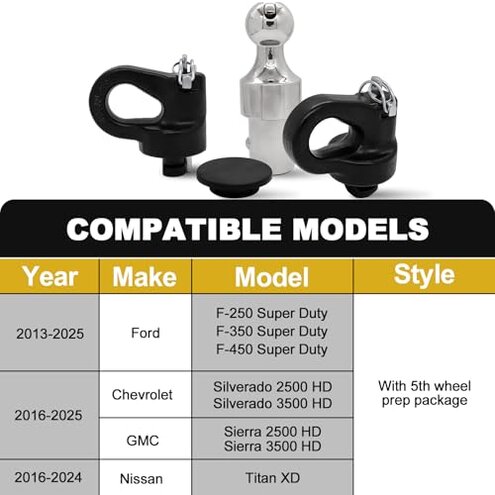
- Non-puck owners: Avoid if your truck does not have factory puck mounts, because compatibility is the main failure trigger.
- Infrequent tow users: Avoid if you cannot afford extra time or parts trips during install, as setup can require adapters.
- Low-tolerance rigs: Avoid if you demand zero play under heavy towing, since fit tolerances can cause wobble for some users.
Who this is actually good for
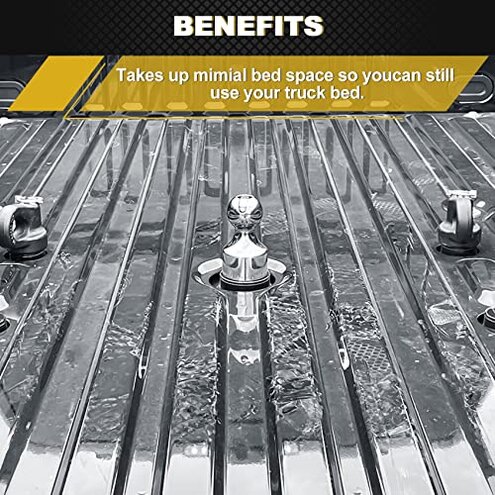
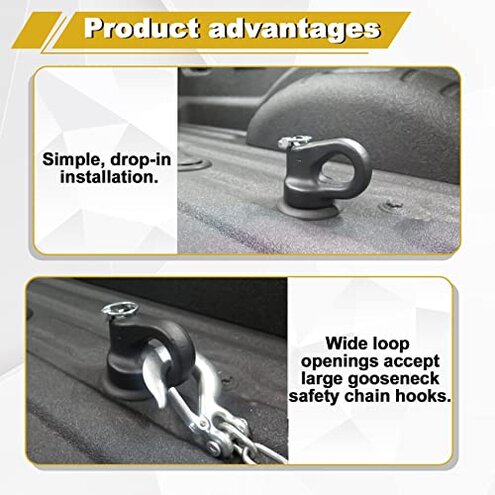
- Factory-puck owners: Good if you have the specified Chevy, Ford, GMC, or Titan XD puck system and want a direct replacement.
- Budget-minded buyers: Good if you accept extra verification steps to save money on the part price.
- DIY installers: Good if you can confirm part numbers and tolerate some troubleshooting during first fit.
Expectation vs reality
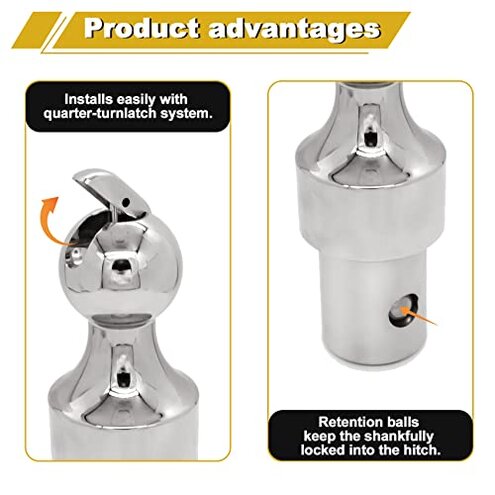
Expectation: Reasonable for this category is a direct-fit ball that drops into the puck without extra parts.
Reality: This product often requires confirming factory puck compatibility and sometimes additional adapters, increasing time and cost.
Safer alternatives
- Verify fit first: Check your truck's puck system and part number before buying to neutralize the hidden compatibility failure.
- Buy adapter-ready kits: Choose alternatives that include adapters or universal fittings to avoid extra trips.
- Prefer thicker coatings: If you tow in salted or wet climates, pick kits with heavy protective finishes to reduce corrosion risk.
- Look for clear instructions: Favor products with explicit fit charts and step-by-step install guides to reduce installation friction.
The bottom line
Main regret: The biggest trigger is a hidden requirement for a factory puck system that causes failed installs and extra costs for many buyers.
Verdict: This kit can work well for confirmed puck-equipped trucks but carries a higher-than-normal fit risk compared with typical mid-range alternatives, so avoid it if you cannot verify compatibility beforehand.
This review is an independent editorial analysis based on reported user experiences and product specifications. NegReview.com does not sell products.