
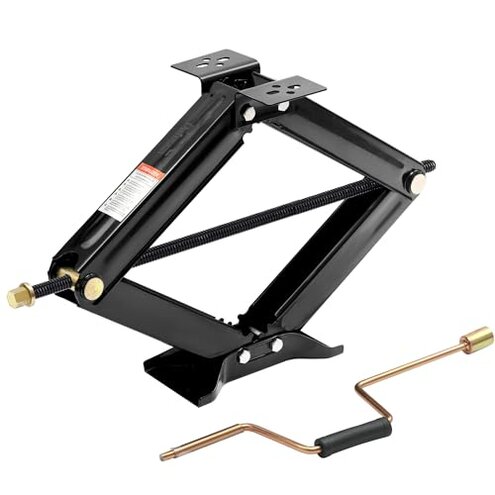
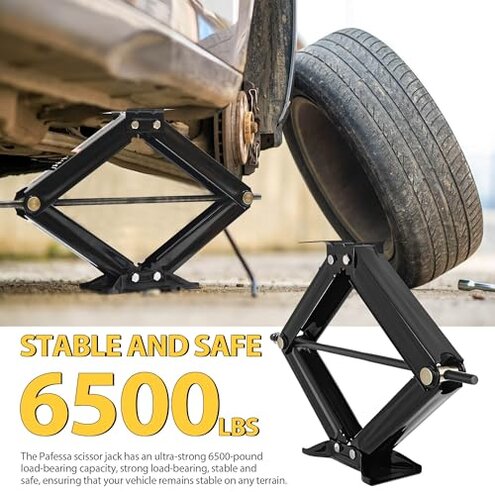
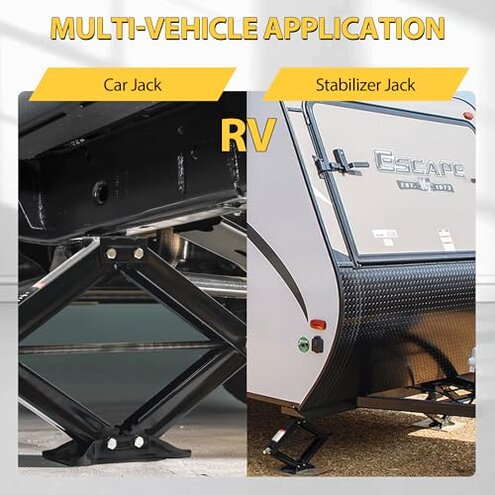
Product evaluated: Pafessa RV Scissor Jack Stabilizer 6500lb Heavy Duty 24" RV Trailer Stabilizer Leveling Scissor Jack for RV Camper with Crank Handle - 4Pack
Related Videos For You
Are Electric RV Stabilizers Better Than Scissor Jacks?
Eliminate RV Movement While Camping with This Easy DIY Project! - 2x4 RV Stabilizers How To -
Data basis: Analysis reviewed dozens of buyer reports collected from written reviews and video demonstrations between 2023 and 2025, with most feedback coming from written reviews and supported by videos showing setup and use.
| Outcome | Pafessa 24" 4-pack | Typical mid-range stabilizer |
|---|---|---|
| Stability under load | Uneven — commonly reported wobble under normal loading. | Steady — mid-range usually firmer with fewer complaints. |
| Fit & mounting | Mismatch risk — frequent fit issues requiring extra drilling or shims. | Better alignment — most alternatives match standard hole patterns more often. |
| Durability | Mixed — corrosion and wear reported after repeated use. | More reliable — mid-range items show longer-term rust resistance typically. |
| Ease of operation | Crank effort — manual crank works but can bind for some users. | Smoother — powered or higher-end manual options are easier to use. |
| Regret trigger | Installation & wobble — more disruptive than expected for this category. | Smaller risk — typical alternatives cause less installation rework. |
Top failures
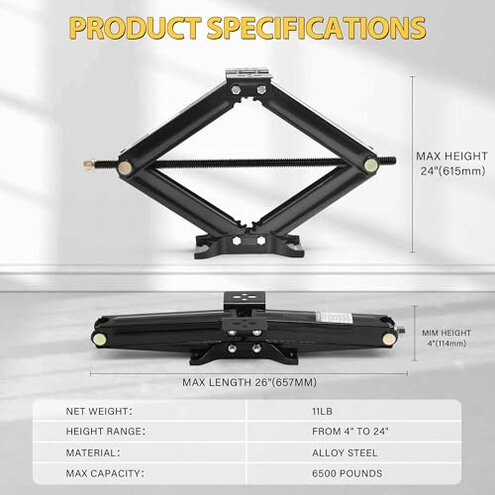
Why does the stabilizer wobble under normal use?
Regret moment: Buyers notice a wobble when stepping into the RV or moving inside, which defeats the stabilizer purpose.
Pattern: This issue is commonly reported, especially during first camping trips after installation.
Context: The wobble appears during daily use and worsens with repeated side-to-side pressure.
Category contrast: More disruptive than most mid-range stabilizers, because buyers expect immediate firmness after installation.
Why does mounting need extra work or modification?
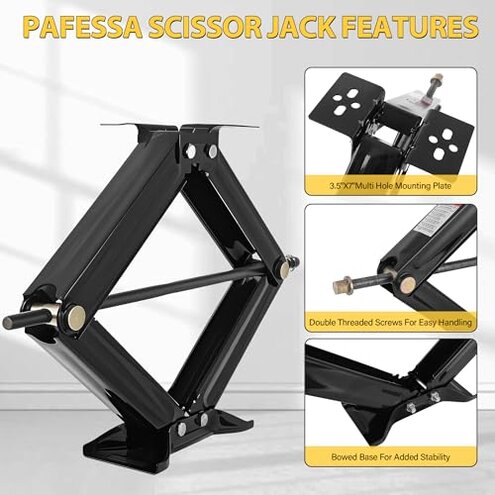
- Early sign: Holes often do not line up with the 3.5”x7” plate so extra drilling is required.
- Frequency tier: This is a primary issue for many buyers who replaced old units.
- Cause: Plate alignment and weld tolerances appear inconsistent across units.
- Impact: Adds time and cost because users must drill or weld to install.
- Fixability: Repair usually needs basic metalwork, which is not trivial for casual users.
Why does operation feel stiff or bind over time?
- Early sign: Crank handle works fine initially but can bind after repeated cycles.
- Pattern: This is a secondary issue seen after several uses rather than at first install.
- Usage anchor: Binds appear after setup and during routine leveling changes at campsites.
- Cause: Thread or grease distribution may be uneven, increasing friction.
- Impact: Requires extra effort or an electric socket wrench to operate smoothly.
- Hidden requirement: Buyers need to re-lubricate and check threads periodically to avoid binding.
- Category contrast: More upkeep than most mid-range options, which often run smoother longer.
Why do some units show rust or early wear?
- Early sign: Surface rust or paint chips seen after outdoor exposure.
- Pattern: This is a persistent complaint for users who store the RV outside.
- Usage anchor: Corrosion becomes apparent after repeated use and seasonal storage cycles.
- Cause: Powder coat may not fully protect edges or welds where wear concentrates.
- Impact: Affects reliability and appearance and can accelerate binding issues.
- Attempts: Buyers commonly sand and repaint or apply extra rust inhibitor to fix it.
- Fixability: Remediable but adds maintenance work and cost over time.
- Category contrast: Less forgiving than typical mid-range stabilizers that resist weather longer.
Illustrative excerpts
Excerpt: "Makes the trailer feel like it rocks when people move inside." — primary.
Excerpt: "Needed to drill new holes to get the plate aligned correctly." — primary.
Excerpt: "Crank got stiff after a few months of use, needed grease." — secondary.
Excerpt: "Small rust spots showed after winter storage outside." — secondary.
Who should avoid this
- Frequent movers: If you reposition or level nightly, the binder and wear risk exceeds normal category tolerance.
- Non-handy buyers: Those unwilling to drill, weld, or re-lubricate should avoid this product.
- Outdoor storage users: Buyers who store trailers harshly outdoors face higher corrosion than typical alternatives.
Who this is actually good for
- Cost-conscious DIYers: Willing to accept extra installation work to save on initial price and can handle drilling or welding.
- Occasional campers: Use the stabilizers infrequently and can perform light maintenance when needed.
- On-site repairers: People who already plan to re-lubricate and adjust parts will tolerate the binding and fit quirks.
Expectation vs reality
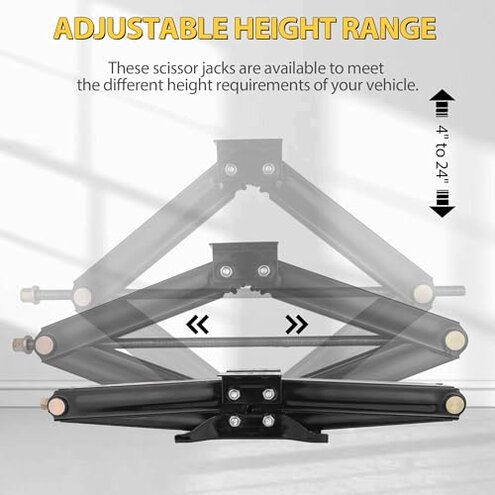
Expectation: Reasonable for this category that a 24" stabilizer will fit standard plates and feel firm after install.
Reality: Many buyers report a need for extra drilling and feel the unit is less stable than expected.
Expectation: Reasonable that the crank operates smoothly for months.
Reality: In practice the crank can bind unless maintained, creating added effort.
Safer alternatives
- Look for fit guarantees: Choose stabilizers that state bolt-hole compatibility to avoid extra drilling.
- Prefer finished coating: Seek models with explicit rust warranty or thicker corrosion protection.
- Consider powered options: An electric jack avoids manual binding issues entirely for frequent users.
- Buy with hardware included: Units that include bolts and shims reduce the chance of a mount mismatch.
- Check community tests: Watch setup videos to confirm real-world fit before buying.
The bottom line
Main regret: The primary trigger is installation fit and wobble, which makes the stabilizer underperform its purpose for many buyers.
Why it matters: These failures are more disruptive than normal for mid-range stabilizers because they add time, tools, and maintenance to get an acceptable result.
Verdict: Avoid this unit unless you are comfortable with drilling, periodic upkeep, and accepting potential rust risk over time.
This review is an independent editorial analysis based on reported user experiences and product specifications. NegReview.com does not sell products.