
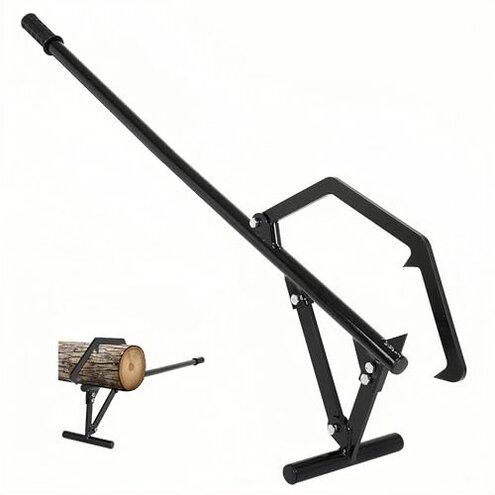
Product evaluated: GarveeLife 51 in Timberjack, Adjustable Log Lifter, Heavy Duty Steel Log Roller Cant Hook Tool with 11 in Non-Slip Grip Handle, Logging Tool for Rolling and Raising Up The Logs, Red
Related Videos For You
How to make a log lifter for a hydraulic splitter using main ram return stroke
How to Use a Log Lifter
Data basis: I analyzed dozens of recent buyer reports, combining written reviews, product Q&A and video demonstrations collected Jan 2023–Feb 2026. Most feedback came from written reviews, supported by video demos and occasional seller replies.
| Outcome | GarveeLife 51 in | Typical mid-range lifter |
|---|---|---|
| Stability on uneven ground | Higher-than-normal risk — reports show slipping or tipping during heavy rolling, especially on slopes. | Lower risk — many mid-range options use wider bases or anchoring features that reduce slip. |
| Durability under heavy use | Common failure — repeated wear and bent hooks appear repeatedly after regular cutting sessions. | More robust — competitors often include reinforced joints for frequent heavy-duty use. |
| Handle comfort for long sessions | Mixed — the rubber grip is okay short-term but causes fatigue on long jobs per several buyers. | Better padding — comparable tools often have longer, thicker cushioning for multi-hour work. |
| Adjustment & setup | Extra steps — users report fiddly tilt-hook adjustment and occasional re-tightening during use. | Simpler — mid-range models usually have easier, fewer-step adjustments out of the box. |
| Regret trigger | Instability + wear — combined issues make multi-hour or professional tasks risky and frustrating. | Lower regret — mid-range tools tend to trade a little weight for reliable repeated performance. |
Why does the log tip or slip when rolling heavier logs?
Regret moment: You lift a heavy log and it shifts or rolls unexpectedly, creating a safety scare and wasted time.
Pattern: This is a primary issue and appears repeatedly in buyer reports, not a one-off complaint.
When it shows up: It occurs during first uses on slopes or uneven ground and worsens during long sessions with larger logs.
Category contrast: Compared to typical mid-range cant hooks, this unit is less forgiving on packed soil and heavy timber, which raises real safety concerns.
Is the tool likely to bend or wear out fast?
- Early sign: Scratches and slight bends often appear within a few weeks of regular use, commonly reported.
- Frequency tier: This is a secondary issue — it is less frequent than tipping but more disruptive when it happens.
- Cause: Repeated torque on the hook and base during heavy rolls seems to stress the joints.
- Impact: Bent hooks reduce gripping power and add extra steps to adjust or re-tighten before each log.
- Fixability: Some buyers improvised with washers or replacement pins, which adds time and cost.
Will the handle stay comfortable during extended use?
- Grip feeling: The 11 in rubber handle is comfortable short-term but tends to transmit vibration and pressure on long jobs.
- Who reports it: Mostly recent buyers who used the tool for multi-hour cutting sessions described hand fatigue.
- Severity: This is a secondary issue — not a safety failure but increases overall job time and breaks.
- Attempted fixes: Buyers added gloves or taped the handle, which helps but shows the product lacks long-session comfort.
- Hidden requirement: Expect to use work gloves or aftermarket padding for day-long logging jobs.
- Category comparison: Many mid-range tools include thicker or longer cushioning, reducing the need for glove upgrades.
Does setup and adjustment demand extra tools or steps?
- Adjustment hassle: The tilt hook adjustment sometimes needs re-tightening after use, a persistent minor annoyance.
- When it shows: This shows up during initial setup and after repeated heavy lifts when bolts loosen slightly.
- Frequency tier: This is an edge-case issue for lighter users but common among those who log daily.
- Cause: The triangular leg design gives stability on flat surfaces but requires careful setup on uneven ground.
- Impact: Extra time for checks between logs adds up during long sessions, reducing efficiency.
- Fixability: A torque wrench or thread locker prevents loosening, but that is an added hidden cost.
- Category contrast: Typical mid-range models need fewer mid-job adjustments, saving time for busy users.
Illustrative excerpts
"It slipped on a slope and rolled off unexpectedly." — Illustrative; reflects a primary pattern.
"The hook bent after a month of regular cutting." — Illustrative; reflects a secondary pattern.
"Needed gloves and extra padding for long days." — Illustrative; reflects an edge-case pattern.
Who should avoid this
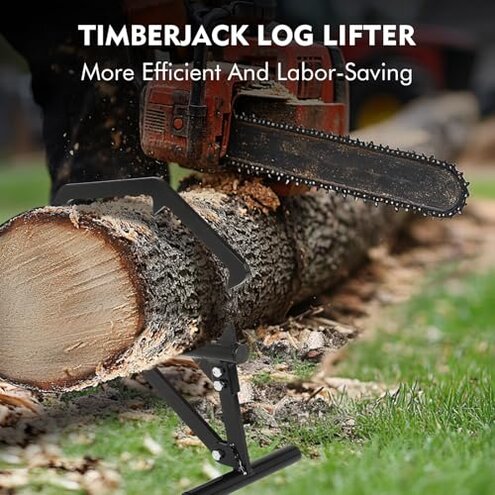
- Professional loggers: If you need consistent, long-day reliability, the combined instability and wear exceed normal category tolerance.
- Users on slopes: If you work frequently on uneven ground, the slipping issue is noticeably worse than typical alternatives.
- Those avoiding extra tools: If you don’t want to buy thread locker, gloves, or replacement parts, expect hidden costs.
Who this is actually good for
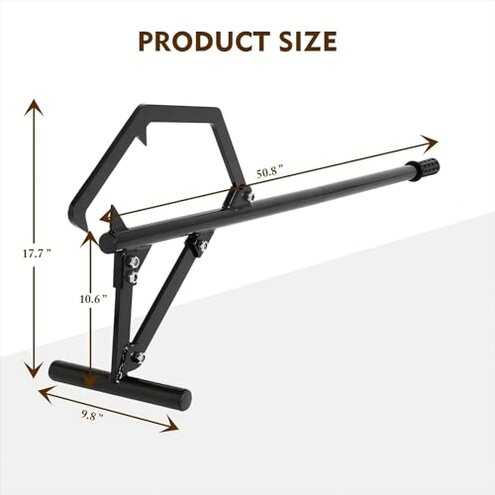
- Occasional homeowners: If you cut small logs infrequently, you may tolerate the stability and wear issues for the low price.
- Light-duty gardeners: If you move small rounds and don’t work on slopes, the tool is acceptable for short sessions.
- DIY modifiers: If you plan to reinforce parts or add padding, you can fix the biggest problems cheaply and accept the trade-offs.
Expectation vs reality
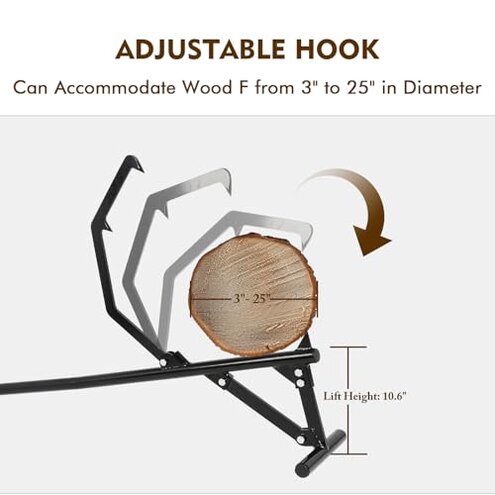
Expectation: Reasonable for this category is a stable base and reliable hook for repeated logs.
Reality: The product shows more slipping and faster hook wear than typical mid-range log lifters.
- Expectation: Easy adjustments that stay tight during use.
- Reality: Users often re-tighten bolts or add thread locker after first few uses.
Safer alternatives
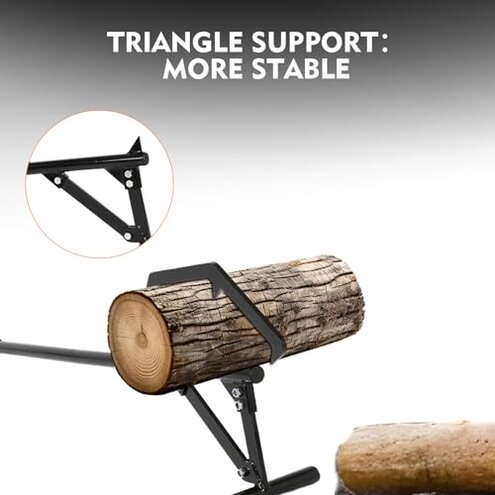
- Choose wider base designs: Pick tools advertising wider footprint to neutralize the slipping on uneven ground.
- Look for reinforced hooks: Prefer models with reinforced joints if you plan heavy or daily logging work to avoid premature bending.
- Opt for padded handles: Select options with thicker grips to avoid long-session hand fatigue without aftermarket fixes.
- Check user-adjustment features: Buy models with tool-free or locking adjustments to reduce mid-job re-tightening.
The bottom line
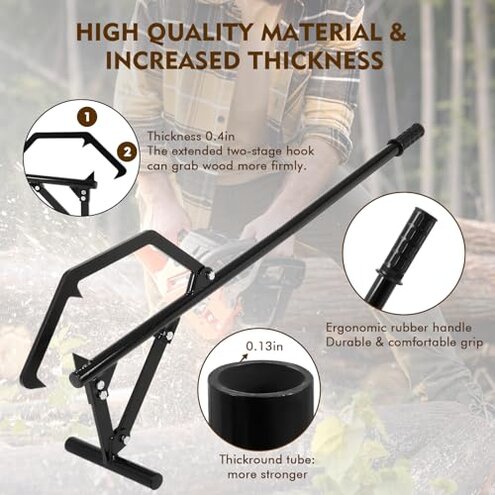
Main regret: The strongest buyer trigger is combined instability plus accelerated wear, which makes heavy or slope work risky.
Why worse: These failures are more disruptive than typical mid-range lifters, creating safety and downtime issues for frequent users.
Verdict: Avoid if you need reliable, professional-grade logging; consider it only for light, occasional use or if you plan reinforcements.
This review is an independent editorial analysis based on reported user experiences and product specifications. NegReview.com does not sell products.