
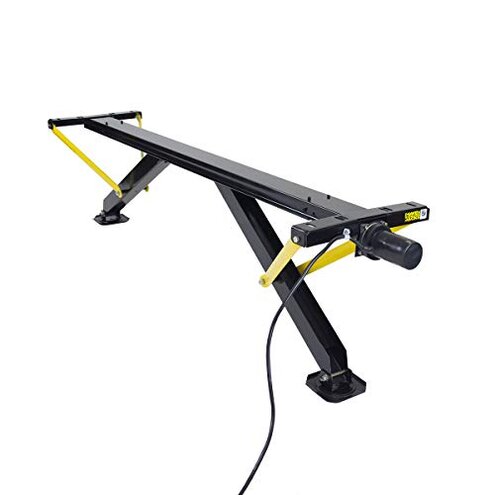
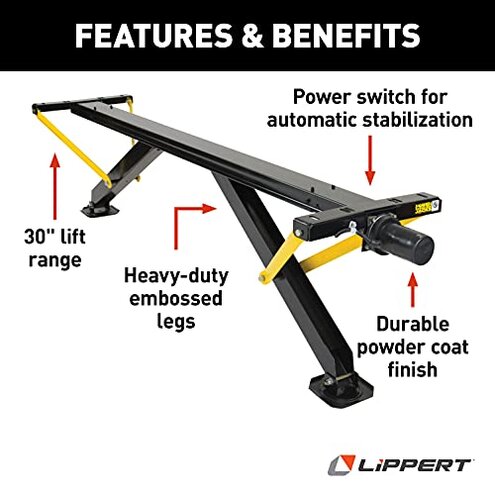
Product evaluated: Lippert PSX1 High-Speed RV Power Stabilizer Jack System, Black Waterproof Switch Kit, Automatic Adjustment, Heavy-Gauge Powder-Coated Steel Frame, Up to 30" Extension - 298707
Related Videos For You
RV Camper Trailer Stabilizer / Wobble Stoppers DIY
RV Stabilizer jack INSTALLATION and what to look for
Data basis: This report draws on dozens of written reviews and several video demonstrations collected over a multi-year range ending recently. Most feedback came from written reviews, supported by hands-on clips and Q&A posts across buyer channels.
| Outcome | Lippert PSX1 | Typical mid-range alternative |
|---|---|---|
| Reliability | Higher failure risk reported more often for motor/breaker trips than expected for this category. | Lower failure rate typical; plain replacement parts and predictable wear. |
| Installation | Complex wiring and hidden hardware needs can add time and cost at setup. | Simpler installs are common; few require professional wiring on standard models. |
| Noise & stability | Variable—some buyers notice pronounced vibration or chatter under load. | Quieter operation and steadier hold under comparable conditions usually seen. |
| Maintenance | More upkeep reported over time, including breaker resets and monitoring for water intrusion. | Typical upkeep involves occasional lubrication and inspection only. |
| Regret trigger | Breaker trips under normal lift are a frequent regret driver for this unit. | Fewer surprises from overload trips for typical mid-range jacks. |
Why does the jack trip the breaker during normal use?
Regret moment: Buyers describe the unit stopping mid-cycle when power is applied, leaving the RV uneven and requiring manual intervention.
Pattern: This is a commonly reported pattern that appears across written reviews and demonstration clips.
When it shows up: The issue appears during initial use or early cycles, and can recur under routine leveling operations.
Category contrast: Breaker trips are more disruptive than expected for mid-range stabilizers, because comparable alternatives usually complete cycles without overload interruptions.
Is installation more complicated than advertised?
- Hidden wiring: Buyers report that the unit often requires more complex electrical connections than the listing suggests.
- Accessory needs: Some reviewers note additional brackets or reinforcement are commonly required for a secure fit.
- Pattern signal: This is a recurring theme in setup feedback rather than a one-off problem.
- When it matters: Complexity is most obvious at first installation, especially for owners who do DIY installs.
- Category contrast: This feels less forgiving than most mid-range kits, which tend to list clearer hardware requirements.
Why does it feel noisy or mechanically finicky?
- Early signs: Users notice rattling or chatter during extension or retraction.
- Frequency tier: This is a secondary complaint—seen often enough to matter but not universal.
- Operational trigger: Noise and vibration appear under load, for example when stabilizing on uneven ground.
- Cause hint: Reports point to alignment or gear engagement problems rather than simple wear.
- Impact: The effect is noticeable because it can prevent a smooth, quiet cycle expected from this price range.
- Fix attempts: Owners describe adjustments and re-mounting as common remedies, with mixed success.
Are there hidden compatibility or hardware requirements?
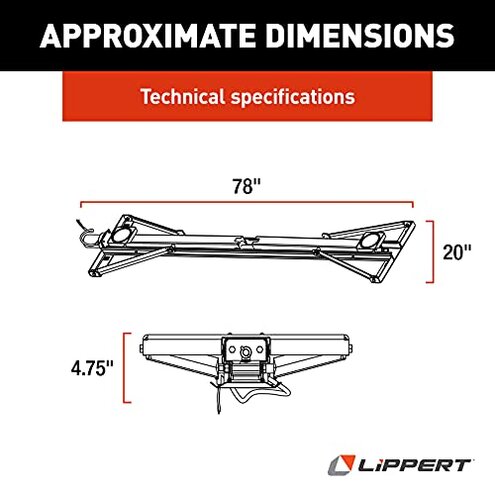
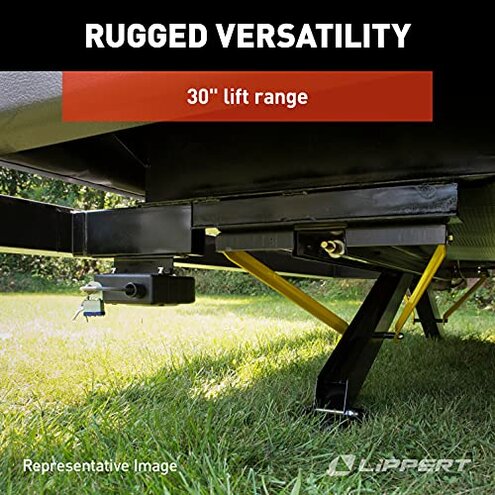
- Compatibility warning: Some buyers discover the jack needs additional support brackets or a specific frame clearance.
- Pattern: This shows up as a persistent edge-case across installation reports.
- When it matters: It matters during purchase and install when trailer frames vary widely.
- Hidden cost: Expect extra parts/time when your frame or wiring differs from the model used in promotional photos.
- Why worse than normal: Many mid-range competitors are more modular and clearly list needed extras.
- Impact on use: Missing parts can cause delays and force manual cranking until fixed.
- Fixability: Some buyers succeed with aftermarket brackets, but that adds cost and effort.
Illustrative excerpts (not actual quotes)
- "Stopped mid-cycle; breaker tripped, had to crank by hand." — reflects a primary pattern.
- "Needed extra brackets not mentioned in box contents." — reflects a secondary pattern.
- "It vibrates loudly when under load on uneven ground." — reflects a secondary pattern.
- "Wiring was more involved than the manual suggested." — reflects a primary pattern.
Who should avoid this
- DIY beginners: Avoid if you want a plug-and-play solution without extra wiring or fabrication.
- Low-tolerance travelers: Avoid if breaker trips or mid-cycle stops would create unacceptable downtime.
- Noise-sensitive users: Avoid if you need quiet, smooth operation under load.
Who this is actually good for
- Hands-on owners: Good for those willing to perform wiring and mounting tweaks to address hidden requirements.
- Budget-conscious upgraders: Works if you accept occasional breaker resets and DIY fixes to save over premium options.
- Non-critical use: Suitable when occasional trips or noise are tolerable for occasional stabilizing needs.
Expectation vs reality
- Expectation: Reasonable for this category is a reliable cycle that completes without electrical trips.
- Reality: This unit shows more frequent breaker trips and setup surprises than typical mid-range stabilizers.
- Expectation: Installing a power stabilizer should be straightforward with listed hardware.
- Reality: You may need extra brackets and wiring time not obvious from the product listing.
Safer alternatives
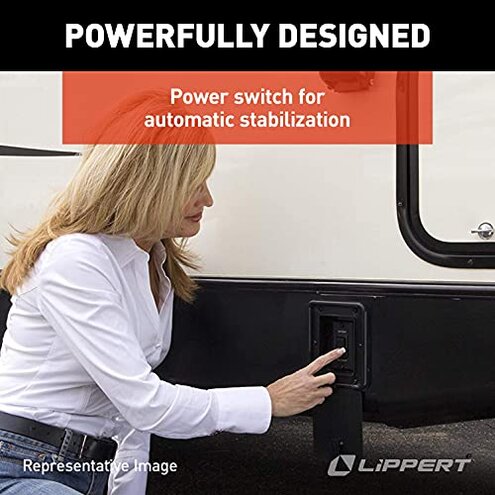
- Choose units with simple wiring: Look for models that advertise plug-and-play harnesses to avoid hidden electrical work.
- Prefer tested reliability: Pick stabilizers with user reports emphasizing consistent cycles and fewer overload trips.
- Check mounting clarity: Favor vendors that list all brackets and measurements to prevent surprise hardware purchases.
- Consider manufacturer support: Choose brands with clear replacement-part access to reduce downtime if motors or breakers fail.
The bottom line
Main regret: The most common buyer complaint is breaker trips and motor interruptions that stop cycles and demand manual fixes.
Why worse: These failures exceed normal category risk because they happen during routine use and often require extra wiring or hardware to mitigate.
Verdict: Avoid this unit if you need a hassle-free, consistently reliable stabilizer without DIY fixes.
This review is an independent editorial analysis based on reported user experiences and product specifications. NegReview.com does not sell products.