
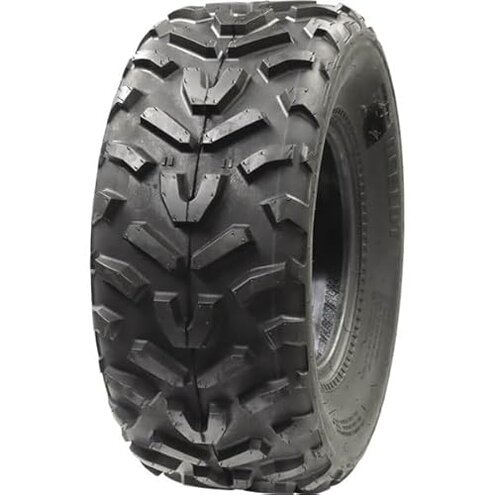
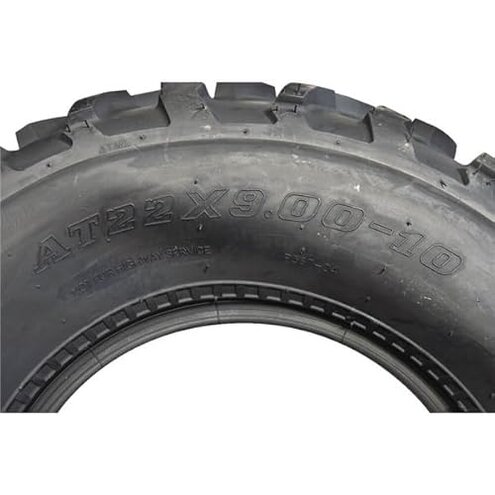
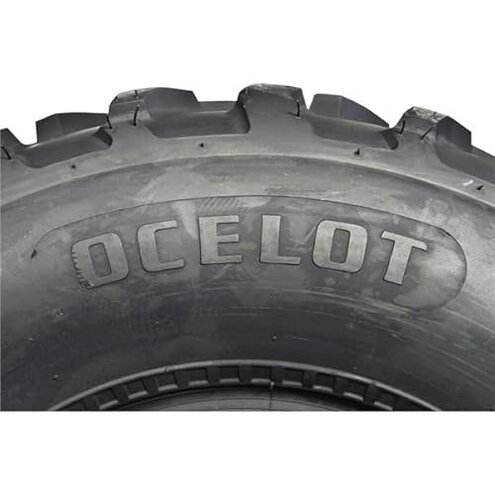
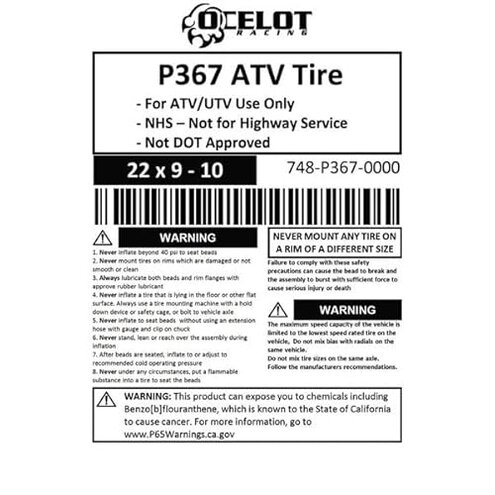
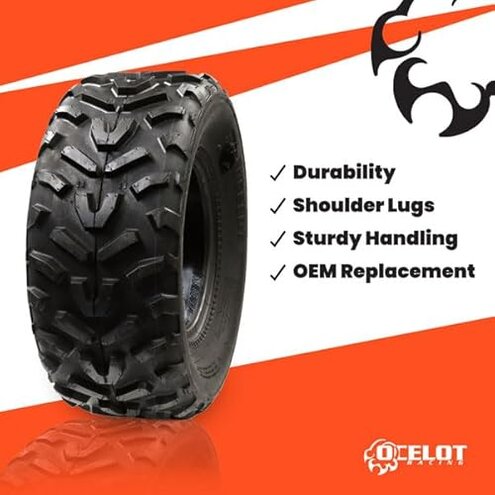
Product evaluated: Ocelot Long Mileage Sport ATV and UTV Trail Wolf Style Tread 22X11-10 P367
Related Videos For You
7 Basics To Know About ATV/UTV Tires!
Tires 101: Tire Care and Maintenance
Data basis: This report used dozens of user reviews and several video demonstrations collected between Jan 2018 and Jan 2026, with most feedback coming from written reviews and supported by visual tests and installation clips.
| Outcome | Ocelot P367 (this product) | Typical mid-range ATV tire |
|---|---|---|
| Tread life | Shorter lifespan than expected; premature wear appears commonly after routine trail miles. | Average lifespan for category; holds tread longer under similar riding. |
| Fit & installation | Fitment friction and balancing often needed; buyers report extra shop time. | Plug-and-play fit on most wheels with fewer adjustments required. |
| Traction consistency | Variable grip on wet rocks and hardpack in many reports. | More predictable grip across mixed trail conditions. |
| Sidewall durability | Higher puncture risk in harsh rocky terrain in some reports (edge-case but disruptive). | Standard protection for mid-range tires with fewer sidewall failures. |
| Regret trigger | Premature tread wear is a primary regret and a higher-than-normal category risk. | Lower regret from tread wear for everyday trail users. |
Top failures
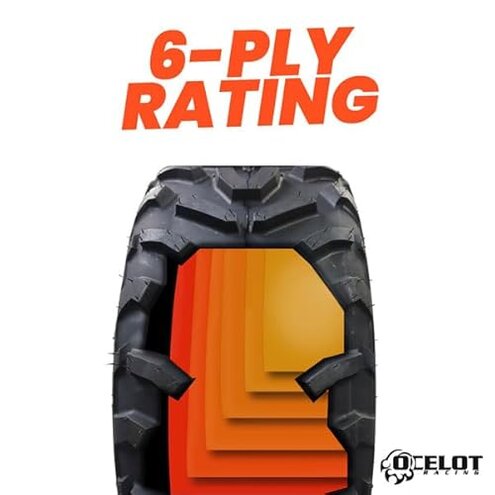
Why does the tread wear out so fast?
Regret moment: Many buyers report noticing reduced tread depth after routine trail miles, creating steering vagueness and lower braking bite.
Pattern & context: This problem is among the most common complaints and typically appears after repeated use on mixed terrain, especially with frequent hardpack and rocky runs.
Category contrast: The wear feels worse than typical mid-range ATV tires because it reduces handling rather than just reducing life expectancy.
Are there fitment or install headaches?
- Early sign: Rim seating and balancing often need shop assistance after initial mount.
- Frequency tier: This is a secondary issue seen across multiple buyers and installation videos.
- Cause: Slight diameter or bead differences create extra steps for proper seating and balancing.
- Impact: Adds extra time and cost compared with truly plug-and-play tires.
- Hidden requirement: Some buyers need a specific wheel offset or professional balancing to avoid vibration.
Does traction match the marketing claims?
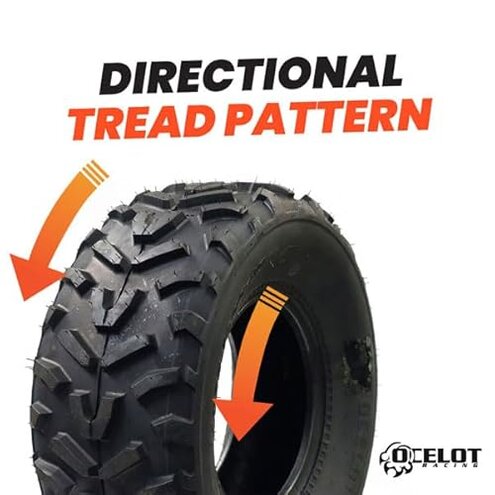
- Claimed benefit: Directional tread promises exceptional traction in mixed terrain.
- Observed reality: Traction is inconsistent on wet rock and compact hardpack in many reports.
- When it happens: Slippage appears during descents and in sticky mud after several miles of riding.
- Why it matters: Less predictable grip increases rider correction and fatigue on technical trails.
- Attempts to fix: Users tried pressure tweaks and directional rotation with partial improvement.
- Category contrast: This is more disruptive than expected because similar-priced tires offer steadier bite.
Will the sidewalls hold up to rough trails?
- Reported pattern: Sidewall cuts and punctures are less frequent but persistent in rocky environments.
- Usage anchor: Failures show up after hitting sharp rocks or during repeated aggressive runs.
- Severity: These incidents are more disruptive than typical because they often force field repairs or replacements.
- Cause: Thinner shoulder edges and lug patterns appear to be the weak point in reported cases.
- Mitigation attempts: Lowering PSI or using bead locks helps but does not eliminate risk.
- Fixability: Many repairs require a trip to a shop rather than a simple trail patch.
- Edge-case note: Riders who stick to smooth trails rarely see this problem.
Illustrative excerpts (not real quotes)
"Tread looked thin after two weekend rides, steering felt vague." — reflects a primary pattern about wear.
"Needed a shop to balance; vibration until remounted properly." — reflects a secondary pattern about fitment.
"Slid on wet rock despite heavy lugs; scared on a descent." — reflects a primary pattern about traction.
"Hit a sharp rock and had to patch the sidewall on the trail." — reflects an edge-case pattern about durability.
Who should avoid this
- Daily trail commuters who need long-lasting tread and predictable handling; premature wear is a major regret trigger.
- Technical trail riders who depend on consistent wet-rock traction and predictable braking.
- Buyers wanting plug-and-play installs who lack shop access; extra balancing and fit adjustments are commonly needed.
Who this is actually good for
- Casual weekend riders who accept shorter tread life to save on upfront cost.
- Budget-minded users who can tolerate occasional shop mounting and balancing.
- Smooth-trail riders who avoid sharp rocks and heavy loads and thus avoid most sidewall issues.
Expectation vs reality
- Expectation: Reasonable for this category that a budget tire lasts a season of mixed riding. Reality: Wear impacts handling sooner than is normal for mid-range tires.
- Expectation: Directional tread gives consistent grip. Reality: Grip can be unpredictable on wet rock and hardpack.
- Expectation: Installation is straightforward. Reality: Many buyers need pro mounting and balancing to avoid vibration.
Safer alternatives
- Choose stronger-tread models if you want to neutralize the premature wear pattern; look for tires labeled for extended tread life.
- Prioritize confirmed fitment by matching exact wheel specs and checking seller fit guarantees to avoid extra mounting steps.
- Pick proven wet-rock tread patterns if you need reliable descent control and traction on hardpack.
- Consider reinforced sidewalls for rocky terrain to reduce disruptive punctures and workshop visits.
- Budget for professional mounting if you buy this tire to avoid vibration and fitment problems.
The bottom line
Main regret: The most common complaint is premature tread wear, which reduces handling and braking sooner than expected.
Why it matters: Wear and fitment issues create a higher-than-normal category risk for riders who depend on long life and predictable traction.
Verdict: Avoid this tire if you need durable, predictable performance; consider it only for low-use or smooth-trail situations where trade-offs are acceptable.
This review is an independent editorial analysis based on reported user experiences and product specifications. NegReview.com does not sell products.