
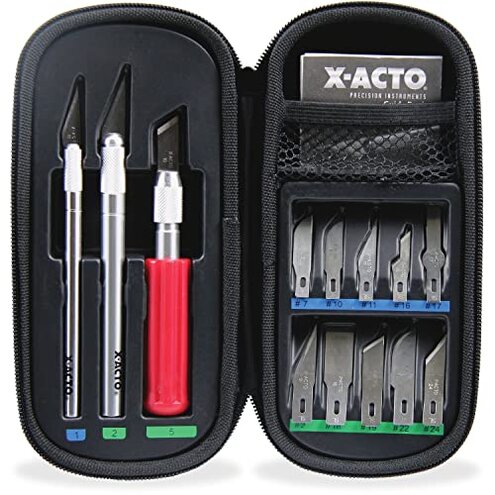
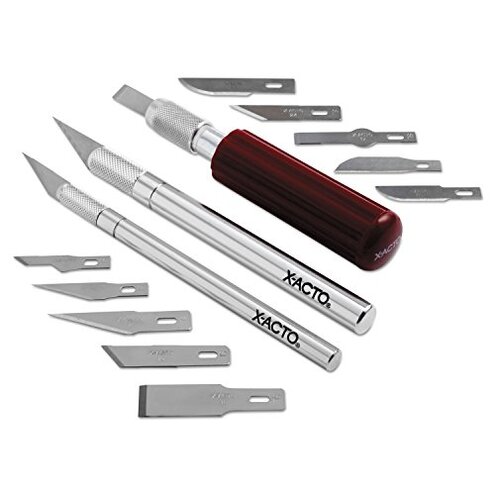
Product evaluated: X-ACTO Compression Basic Knife Set, Includes 3 Knives, 13 Blades, Soft Carry Case, 17 Count - Crafting, Cutting Tools
Related Videos For You
Craft Knife Safety and Tips for Beginners
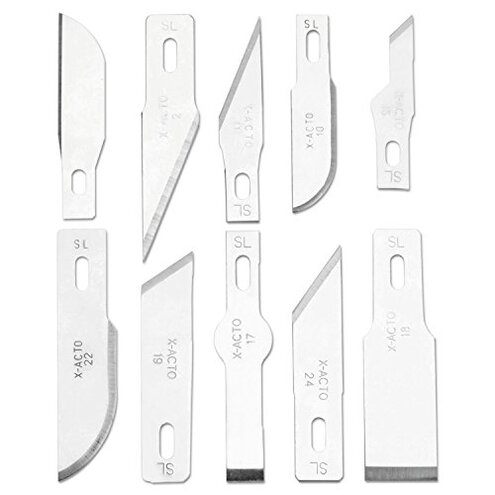
X-acto Knife 101 - The Basics - Types of Blades
Data basis: Analysis of dozens of written buyer reports and video demonstrations collected through January 2026 shows the patterns below. Most feedback came from written reviews, with video use-cases supporting handling and safety complaints.
| Outcome | X-ACTO set | Typical mid-range alternative |
|---|---|---|
| Precision in use | Often affected by blade wobble under pressure. | Usually stable with snug fittings on average models. |
| Durability | Shorter-lived blades and handle wear reported. | Longer-lasting blades for typical mid-range sets. |
| Blade change | Fiddly or inconsistent blade-release action. | Smoother blade swaps on comparable mid-range kits. |
| Case & storage | Flimsy soft case with poor organization. | Better organization and protection on average kits. |
| Regret trigger | Higher-than-normal safety risk during blade replacement and heavy cuts. | Lower risk with firmer blade retention and clearer change mechanisms. |
Top failures
Why does the blade wobble and feel unsafe while cutting?
Regret moment: Wobble appears when you apply side pressure in cutting, and it feels unstable.
Severity note: This is among the most common complaints and more disruptive than expected for this category.
When it shows up: The issue often appears during the first few uses or after swapping blades.
Why it matters: Unlike typical mid-range craft knives, this set can require more force control and add extra stoppages to re-seat blades.
Why do blades seem to dull or wear out faster than expected?
- Early sign: Cuts become rougher after a few projects rather than many projects.
- Frequency tier: This is a secondary issue but commonly reported across buyers who use blades daily.
- Typical cause: Higher friction and repeated resharpen steps are needed sooner than average.
- Impact: You pay more in replacement blades and pause work more often.
- Fixability: Replacement helps, but frequent swapping raises other risks like handling mistakes.
Why is swapping blades fiddly or risky?
- Hidden requirement: Changing blades safely commonly needs gloves or a dedicated blade changer.
- Usage anchor: Problems appear during blade replacement and get worse with frequent swaps.
- Pattern: This is a primary complaint that appears repeatedly in handling reports.
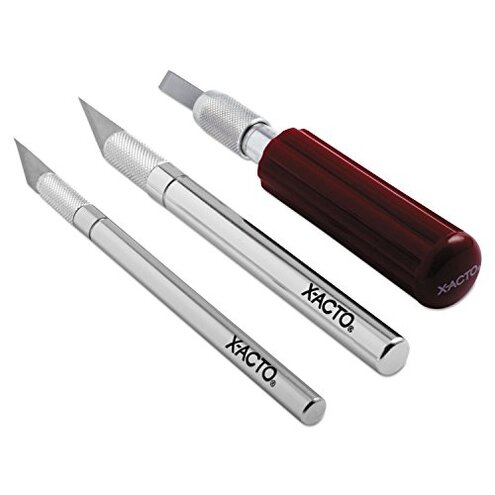
- Cause: The compression release mechanism is described as tight then loose, creating inconsistent engagement.
- User impact: Slower workflow and more careful handling are required for routine blade swaps.
- Category contrast: Mid-range alternatives usually have clearer, safer change steps that save time.
- Attempted fixes: Buyers often add aftermarket grips or use pliers to change blades, adding time and expense.
Why is the storage case and organization disappointing?
- Immediate sign: The soft nylon case feels loose and offers little protection.
- Scope: This is a persistent remark across many product reports.
- Frequency tier: Secondary but annoying for those who travel with tools.
- Impact: Loose blades and parts can rattle or shift inside the case.
- Hidden cost: You may need a separate storage solution to avoid blade damage.
- Why worse here: Typical mid-range sets include molded slots or better cases that prevent movement.
- Fixability: Simple organizers help, but they add extra purchases and setup time.
- User tip: Keep spare blades in a rigid container rather than the supplied soft case.
Illustrative excerpts (not actual quotes)
Excerpt: "Blade moved under slight side pressure, felt unsafe for detail work." — Primary pattern.
Excerpt: "Had to stop and re-seat the blade several times during a session." — Secondary pattern.
Excerpt: "Case didn't keep spare blades secure on a short trip." — Edge-case pattern.
Who should avoid this
- Precision demanders: Avoid if you need rock-solid blade stability for delicate cuts.
- Daily users: Avoid if you perform heavy or daily cutting where blade longevity matters more than price.
- Mobile makers: Avoid if you transport tools often and need protected, organized storage.
Who this is actually good for
- Occasional hobbyists: Good if you craft infrequently and can tolerate more frequent blade swaps.
- Budget-conscious buyers: Good if you value short-term cost over long-term durability.
- Simple carving tasks: Good if you do light carving or pumpkin projects that don’t need perfect stability.
Expectation vs reality
Expectation: Reasonable for this category is snug blade retention and safe swaps.
Reality: You may face inconsistent retention and fiddly replacements that slow work and raise safety concerns.
Expectation: Reasonable for this category is protective storage included.
Reality: The supplied soft case offers minimal protection, so extra storage is often needed.
Safer alternatives
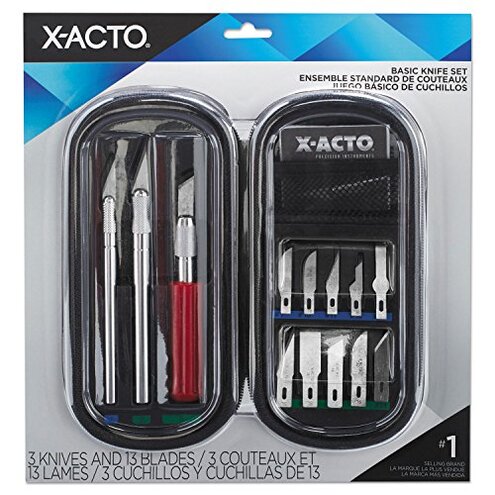
- Choose rigs with molded cases: Pick kits that include rigid, organized storage to neutralize case movement.
- Prefer twist-lock handles: Seek handles with positive locking mechanisms to prevent blade wobble.
- Buy change tools: Use a dedicated blade changer or gloves to reduce the hidden risk during swaps.
- Replaceable blade packs: Select packs sold with higher-grade replacement blades to lower dulling frequency.
The bottom line
Main regret: The set's most common trigger is inconsistent blade retention and fiddly changes that slow work.
Why worse: These problems exceed normal mid-range risk because they directly affect safety and workflow.
Verdict: Avoid if you need steady precision or daily reliability; accept only if you understand the extra handling and storage work.
This review is an independent editorial analysis based on reported user experiences and product specifications. NegReview.com does not sell products.