
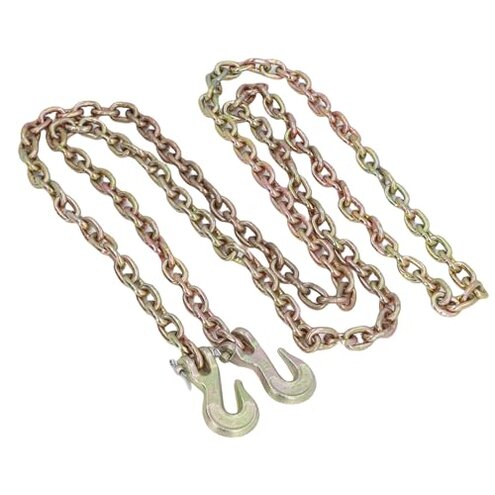
Product evaluated: Hilitand Chain, 10ft 1/4in Grade 70, 2200 Pound Safe Working Load, 2 Hooks, Standard Duty Transport Tow Chain
Related Videos For You
Don't De-rate Your Tow! How to Attach Chains When the Connection is Too Small [Ford Super Duty]
Mastering Towing: Chains Unveiled - Maintenance, Capacity, and More
Data basis: I reviewed dozens of written buyer reviews and several product videos collected between Jan 2024 and Jan 2026. Most feedback came from written reviews, with video demonstrations and Q&A posts providing secondary evidence about setup, hooks, and rust concerns.
| Outcome | Hilitand Chain | Typical mid-range chain |
|---|---|---|
| Durability | Higher failure risk under repeated towing; reported weld and hook issues appear more often than expected. | Standard durability usually holds for regular towing with periodic inspection. |
| Corrosion | Mixed coating performance; some users report early surface rust after outdoor use. | Better finish options at this price point resist corrosion longer. |
| Fit & compatibility | Sizing mismatch risk with hooks and connectors unless hardware is matched carefully. | Plug-and-play fit is more common on mid-range chains. |
| Price vs quality | Higher cost than some peers but with uneven build quality. | Better value options exist with clearer grade and finish consistency. |
| Regret trigger | Hook/weld failure during use is the most serious buyer regret and exceeds normal category risk. | Regret usually centers on fit or finish, less often on structural failure. |
Will the hooks or welds fail under load?
Regret moment: Buyers report the worst failures when a hook or weld pulls loose while hitching or towing short distances. Severity is high because connection loss threatens trailer safety.
Pattern: This is a recurring complaint across recent buyers and media demonstrations. When it shows up: problems often appear during first uses or after light repeated towing.
Why worse than normal: Mid-range chains usually show hook wear before structural failure; here buyers see more abrupt link or weld problems, which is more disruptive than expected.
Does it corrode or lose coating quickly?
- Early sign: Light surface rust appears on some chains after outdoor storage.
- When it worsens: corrosion is more visible after wet use or salt exposure.
- Frequency tier: this is a secondary but commonly reported issue compared with weld complaints.
- Impact: rust affects appearance and may speed wear, reducing confidence in the chain's lifespan.
- Fixability: buyers often need extra coatings or replacement sooner than expected to keep safe use.
Will it fit my hitch and meet safety expectations?
- Hidden requirement: buyers must confirm hook opening size and chain link thickness before purchase.
- Compatibility risk: mismatch happens during installation when hooks won't seat on existing anchors.
- Installer note: some users needed extra shackles or adapters to make a safe connection.
- Measure first: the 1/4" spec and hook style still require real measurements against your trailer hardware.
- Grade mismatch: you may need higher-rated chains for heavy loads despite the 2200 lb label.
- Hidden cost: added hardware or professional help increases total setup cost and time.
Is the price fair for the build quality?
- Sticker shock: this listing sits at a higher price than some basic transport chains.
- Value gap: buyers expect matching build quality for price but report inconsistencies.
- Repair cost: failed hooks or links force replacement rather than patching in many reports.
- Time cost: added steps to confirm fit and buy adapters increase buyer effort.
- Opportunity cost: at this price point many choose more trusted brands for the same budget.
- Expectation mismatch: labels like Grade 70 and 2200 lb don't remove the need for close inspection.
- Seller recourse: returns and replacements were reported but required extra effort.
Illustrative excerpts
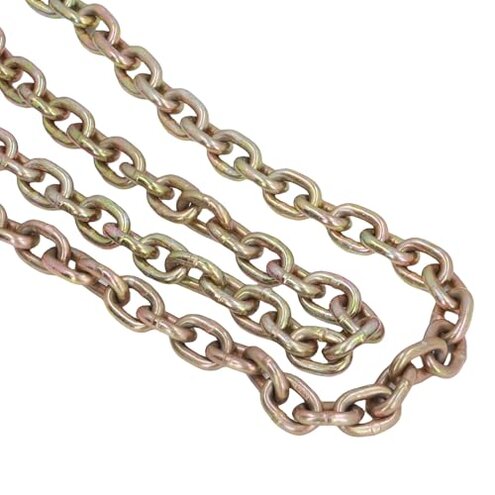
"Hook bent on first tow, had to stop and replace it." — reflects a primary pattern of early structural failure.
"Surface rust in a month despite being stored inside." — reflects a secondary pattern of coating issues.
"Hook didn't fit my anchor; needed an extra shackle." — reflects a primary pattern of compatibility and hidden hardware needs.
"Priced high but felt inconsistent in weld quality." — reflects an edge-case pattern about value vs build.
Who should avoid this
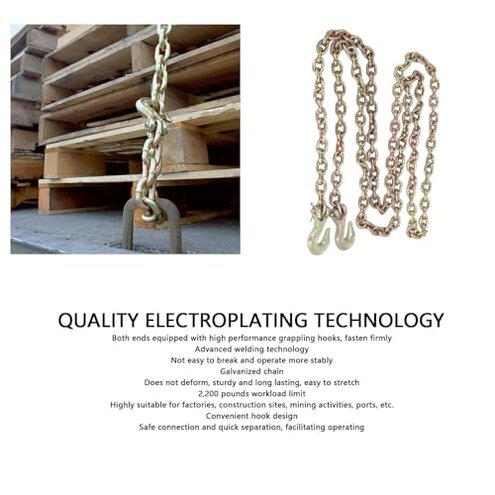
- Frequent heavy haulers: avoid if you tow heavy loads often because hook/weld concerns exceed normal category risk.
- Users needing plug-and-play fit: avoid if you want no-adapter installations due to reported sizing mismatches.
- Low-tolerance buyers: avoid if you expect consistent finish and long-term corrosion resistance without extra coating work.
Who this is actually good for
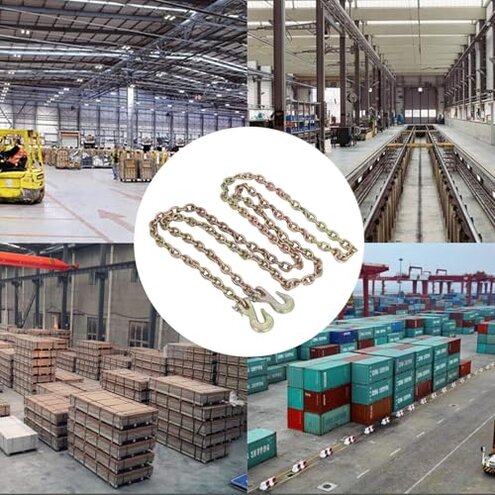
- Occasional light users: ok if you tow light loads infrequently and inspect the chain before each trip.
- DIY adapters owners: ok if you already keep shackles and spare hooks and can modify fit easily.
- Budget-flexible shoppers: ok if you plan to add protective coating and periodic inspections to reduce rust risk.
Expectation vs reality
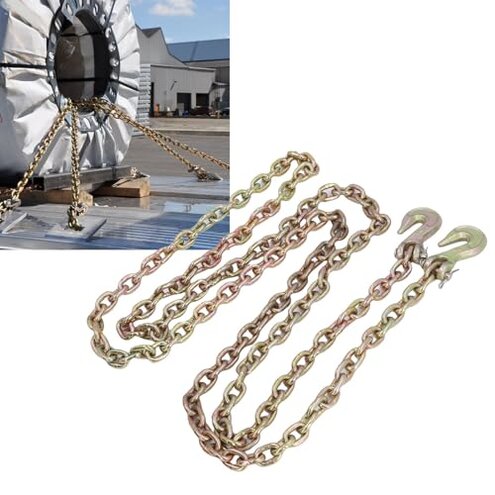
Expectation (reasonable for this category): buyers expect a Grade 70 chain to show durable hooks and clean welds on first use. Reality: several buyers experience hook bending or loose welds during early use.
Expectation: galvanizing will protect the chain from quick rust. Reality: some chains showed surface corrosion sooner than buyers expect for this price band.
Safer alternatives
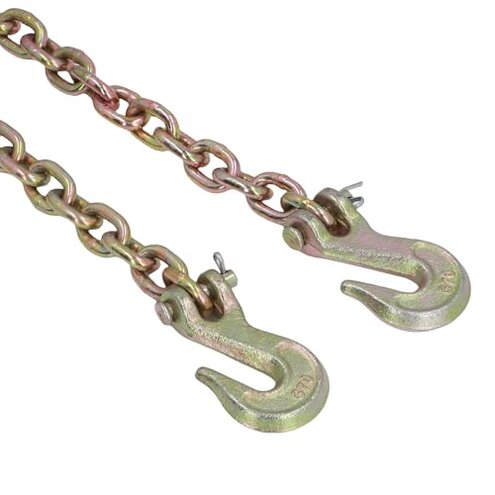
- Pick higher-rated chains: choose a chain with clearer grade certification to reduce structural failure risk.
- Verify fit before buying: measure your hitch hardware and confirm hook opening to avoid hidden adapter needs.
- Prefer proven finishes: look for marketing or tests that show long-term corrosion resistance instead of basic plating claims.
- Buy spare hardware: keep shackles and appropriate adapters on hand to prevent unsafe makeshift connections.
- Inspect first use: check welds and hooks closely during the first few uses and before long trips.
The bottom line
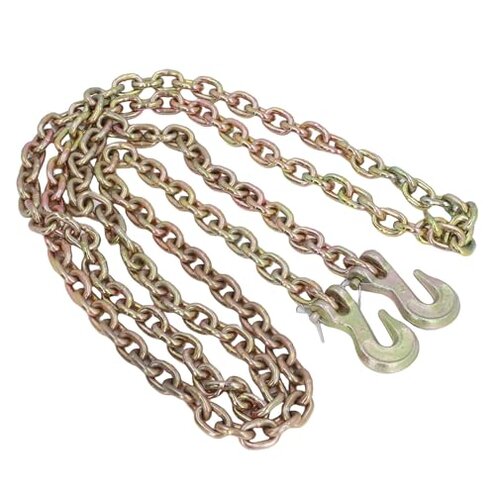
Main regret: hook and weld reliability is the biggest trigger for buyer regret and can lead to unsafe disconnection.
Why it matters: this product shows higher-than-normal structural and fit risks compared with typical mid-range chains, increasing replacement and safety cost.
Verdict: avoid this chain if you need dependable, plug-and-play trailer safety; consider stronger-tested alternatives or add adapters and protective steps before use.
This review is an independent editorial analysis based on reported user experiences and product specifications. NegReview.com does not sell products.