
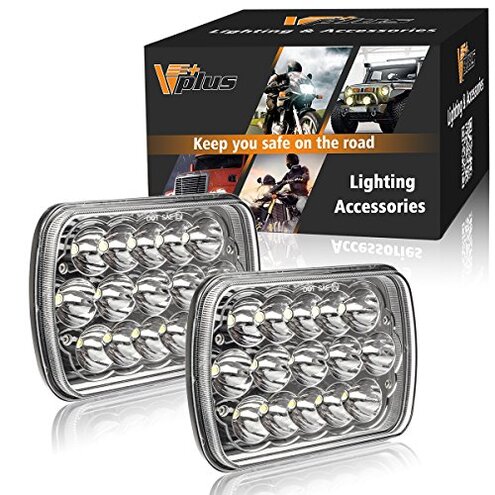
Product evaluated: Partsam 2PCS Rectangle H6054 LED Headlights 5x7 7x6 Headlamp Hi/Low Sealed Beam H4 9003 Plug 6054 H5054 Compatible with S10 Blazer Express Van/Wrangler YJ XJ Cherokee Truck Van
Related Videos For You
5x7 SEALED BEAM LED HEADLIGHT SHOOTOUT - We Tested 16 Different Headlights And Only 5 Passed
How to install the led headlight bulb model H7 by yourself?
Data basis — This report aggregates dozens of written reviews and a selection of video demonstrations collected between 2018 and 2025. Most feedback came from written reviews, supported by video demos and buyer Q&A. Patterns below reflect recurring buyer reports and visual tests.
| Outcome | Partsam 7x6/5x7 | Typical mid-range LED |
|---|---|---|
| Fit & wiring | High risk — frequent fitment pin differences and need for extra harnesses reported. | Low risk — most mid-range units plug-and-play or include harness. |
| Beam pattern | Inconsistent — reports of scatter and oncoming glare are common after install. | Controlled — mid-range alternatives usually show cleaner cutoff and less glare. |
| Durability | Mixed — early brightness loss or failure appears repeatedly after months of use. | Better — most peers show steadier light output over the first year. |
| Installation effort | Higher — many buyers need relays or pin rearrangement. | Standard — mid-range units rarely require additional parts. |
| Regret trigger | Primary — fitment/wiring surprises leading to extra cost and time. | Secondary — user-friendly fitment reduces regret. |
Top failures
Will these fit my headlamp socket and wiring without extra parts?
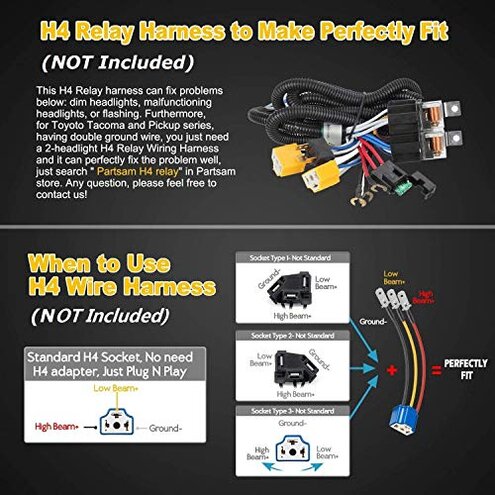
Fit surprise — Many buyers find the factory pinout does not match this unit on first install. This is a primary issue that appears repeatedly across written reviews and video demos.
Usage anchor — The problem shows up at first use when you try to plug the lamp into the vehicle socket; it often requires re-arranging pins or buying a relay harness.
Category contrast — This is worse than typical mid-range headlights because most peers either match pinouts or include adapters, so the extra steps add unexpected time and cost.
Does the beam actually light the road cleanly or just create glare?
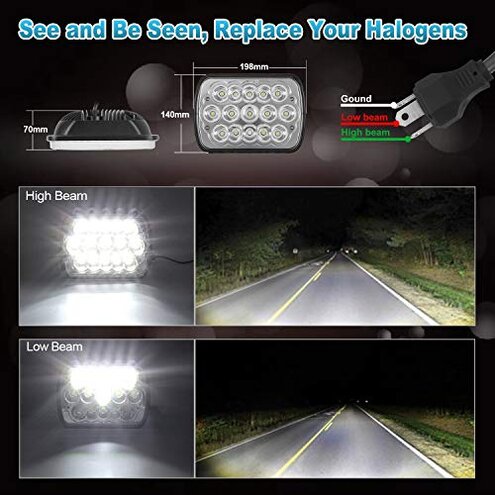
- Early sign — Light seems bright in photos but shows a scattered beam in practice, often noticed during the first night drive.
- Frequency tier — This is a common complaint, reported repeatedly in written feedback and visual comparisons.
- Cause — The lens and reflector alignment produce an uneven cutoff, which increases oncoming glare.
- Impact — Drivers report more glare to oncoming traffic and uneven road illumination, which is more disruptive than expected for this category.
- Fix attempts — Aim adjustments sometimes help but do not fully solve the scatter for many buyers.
Will these lights last without dimming or failing?
- Primary pattern — Early brightness drop or complete failure is a secondary issue that appears after weeks to months in multiple reports.
- When it worsens — Problems become clearer after repeated night driving and long sessions, under heavy use conditions.
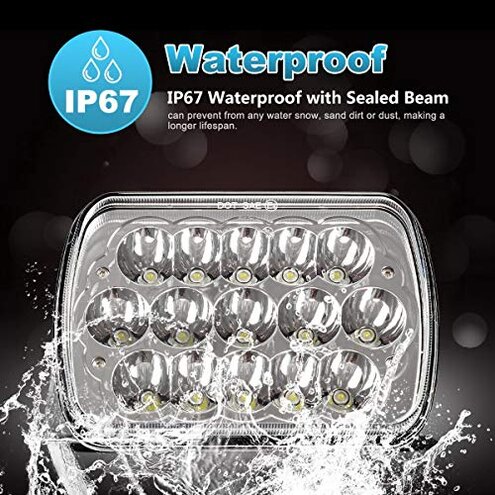
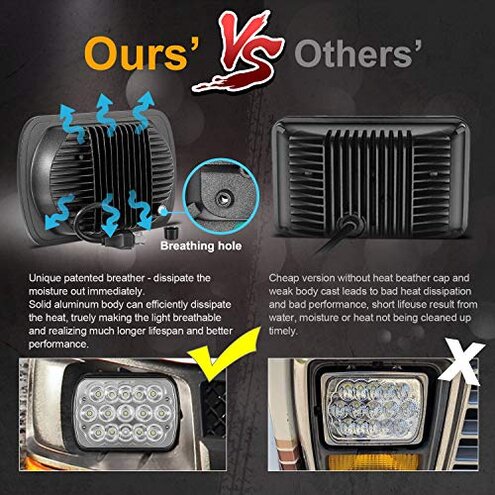
- Likely cause — Heat management and seal integrity are suspected where buyers show discoloration or water ingress in videos.
- Buyer impact — Replacements or warranty claims add time and cost and are more frequent than for typical mid-range options.
- Attempted fixes — Some owners attempted resealing or added cooling; results were mixed and often temporary.
- Fixability — Warranty and returns help some buyers but are not universal or immediate.
Do I need extra hardware, wiring changes, or special skills to make them work?
- Hidden requirement — Several buyers discovered the need for a relay harness or pin re-arrangement before the lights worked correctly.
- Who it affects — This issue hits owners of vehicles with dual-ground or non-standard pinouts, frequently mentioned for some Toyota models.
- Frequency — The need for additional parts is a persistent pattern across installation reports and videos.
- When it appears — The extra steps become clear during initial wiring and testing, not after months of use.
- Category contrast — Most mid-range headlight kits include a harness or clear wiring instructions; this unit leaves that burden to the buyer.
- Cost impact — Buying a relay harness or paying an installer adds unexpected expenses and installation time.
- Skill need — Simple electrical know-how is often required, or you'll need professional help.
Illustrative excerpts
Illustrative excerpt: "Plugged in, headlight didn't match pins; had to rewire harness." — primary
Illustrative excerpt: "Beam looked bright but blinds oncoming cars and leaves dark spots." — secondary
Illustrative excerpt: "Worked briefly then dimmed after a few weeks of regular night driving." — secondary
Who should avoid this
- Non-technical buyers — Those who expect true plug-and-play should avoid, due to common wiring mismatches.
- City drivers — If you frequently encounter oncoming traffic, avoid because reported glare is more disruptive than normal.
- Long-distance drivers — If you rely on durability, avoid because early brightness loss appears more often than typical.
Who this is actually good for
- DIY mechanics — You tolerate the harness and pin work and can fix fitment for a lower upfront price.
- Off-road modders — You accept beam scatter if you value raw lumen output and will re-aim frequently.
- Budget-conscious buyers — You accept the risk of extra steps and possible early replacement to save initial cost.
Expectation vs reality
- Expectation (reasonable): Most mid-range LEDs are plug-and-play with predictable beam pattern. Reality: This product often needs pin changes or additional harnesses, causing surprise and extra cost.
- Expectation: Bright photos equal usable night light. Reality: Brightness may be uneven and create glare in real driving conditions.
- Expectation: LEDs last many years with steady output. Reality: Multiple reports describe dimming or failure within months under regular use.
Safer alternatives
- Choose kits with harnesses — Prioritize products that include a relay or adapter to neutralize the fitment/wiring failure.
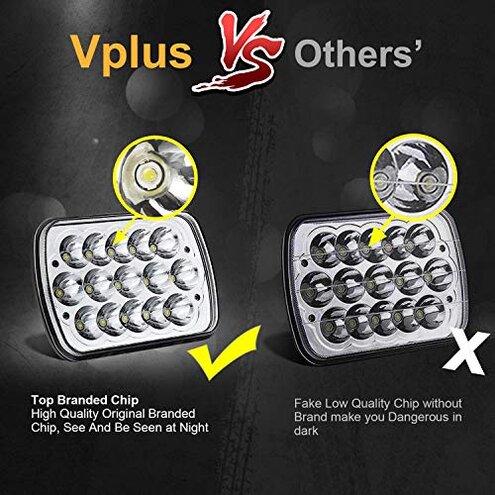
- Pick tested beam patterns — Look for units with documented beam-cutoff photos or third-party beam tests to avoid glare issues.
- Prefer vehiclespecific options — Buy headlights sold with explicit vehicle fitment lists to reduce hidden pinout surprises.
- Warranty clarity — Favor sellers with clear, quick replacement policies to mitigate early failure risk.
- Installer-friendly — If unsure, budget for a professional installer to prevent wiring mistakes and extra parts purchases.
The bottom line
Main regret — The primary trigger is unexpected fitment and wiring needs that add time and cost at install.
Why worse — This exceeds normal category risk because many mid-range competitors include adapters or match pinouts, reducing surprises.
Verdict — Avoid this unit unless you have wiring skills, are ready to buy a harness, or accept potential early replacements.
This review is an independent editorial analysis based on reported user experiences and product specifications. NegReview.com does not sell products.