
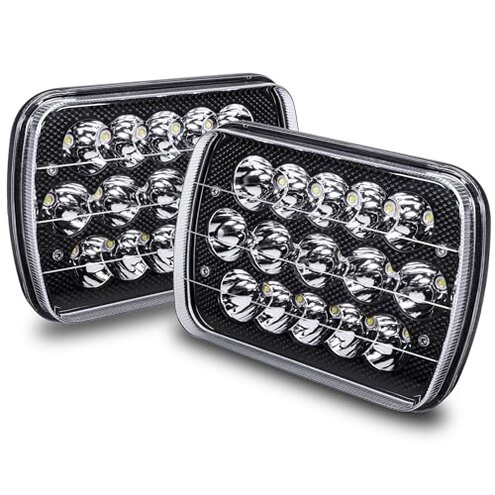
Product evaluated: TRUE MODS 7x6 5x7 H6054 Black LED Headlights H4 Sealed Beam Replacement Lamp for Jeep Wrangler YJ Cherokee XJ Chevy Express Blazer S10 Van GMC Savana Ford Econoline E150 Nissan D21 Toyota Pickup Truck
Related Videos For You
5x7 SEALED BEAM LED HEADLIGHT SHOOTOUT - We Tested 16 Different Headlights And Only 5 Passed
Data basis: This report draws on dozens of user reviews and several video demonstrations collected between Nov 2022 and Dec 2025. Most feedback came from written buyer reports, supported by hands-on video tests and Q&A posts. The distribution skews toward installation and first-month usage problems.
| Outcome | TRUE MODS | Typical mid-range |
|---|---|---|
| Brightness | Very bright but frequently noted for scattered beam and uneven cutoff. | Balanced brightness with more predictable beam shaping in most mid-range units. |
| Fitment | Fit risk appears repeatedly; many users need adapters or trimming. | Better fit generally plug-and-play with few modifications. |
| Glare to others | High glare is a common complaint and is a higher-than-normal category risk. | Lower glare designs typically meet buyer expectations for on-road use. |
| Longevity | Premature failures appear repeatedly within early ownership in several reports. | Longer life is typical for better-tested mid-range LED replacements. |
| Installation | Extra steps often required (adapters, resistors, or rewiring). | Simpler install is common for mainstream alternatives with clearer instructions. |
| Regret trigger | Beam & fit mismatch — leads to daytime glare complaints and refit time. | Minor tweaks usually suffice; fewer returns expected. |
Will these fit my old sealed-beam housings without mods?
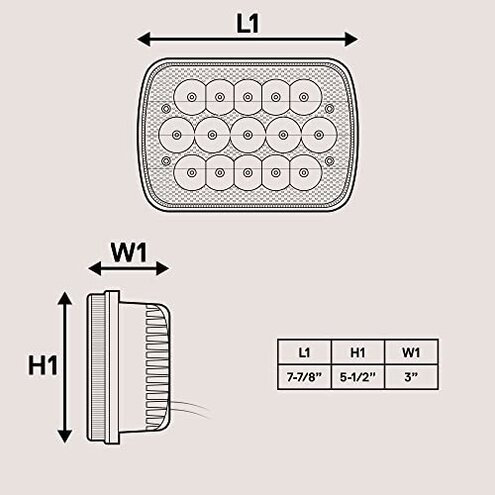
Fit confusion: Many buyers report needing adapters, trimming, or extra wiring to fit standard 5x7 housings. This pattern is commonly reported and not universal.
When it shows up: The issue appears at first install and usually delays completion by extra time and parts compared with expectations for sealed-beam swaps.
Do they create blinding glare or odd beam patterns?
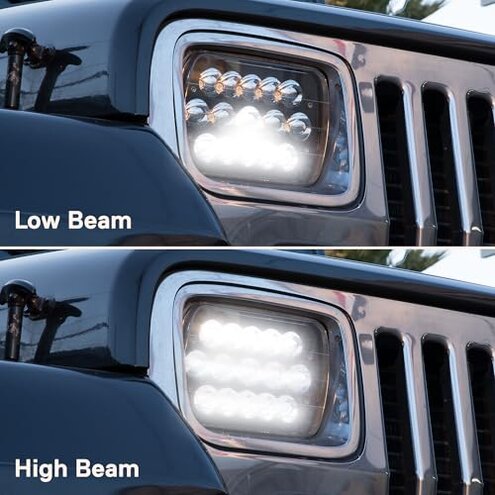
- Early sign: Bright center hotspots or visible stray light noticed during the first night drive.
- Pattern frequency: This is a primary issue in many reports rather than an edge case.
- Usage anchor: Problems become obvious on-road at night, especially on two-lane roads where opposing drivers are affected.
- Why worse: Unlike many mid-range LEDs, the beam shaping here often lacks a clear cutoff, making glare more disruptive than expected for this category.
- Attempted fixes: Users commonly try shim adjustments, aiming changes, or installing beam-deflecting washers to reduce glare.
Will these fail, flicker, or develop condensation?
- Failure pattern: Premature burnout and flicker appear repeatedly among early users as a noticeable secondary issue.
- When it happens: Failures usually occur within weeks to months of daily highway or repeated on/off cycling.
- Worsening conditions: Long drives, heavy vibration, and wet environments commonly worsen flicker and seal failures.
- Cause hint: Reports point to thermal or sealing weaknesses rather than simple bulb lifespan.
- Repair attempts: Buyers often replace units or add moisture-barrier steps; success varies and can be time-consuming.
- Warranty reality: Some owners report friction getting replacements, making longevity concerns more disruptive than standard category expectations.
Is installation straightforward or are there hidden wiring needs?
- Missing hardware: Many buyers find no adapter or anti-flicker resistor included despite need.
- Hidden requirement: An anti-flicker harness or load resistor is often required to stop dashboard errors or hyper-flash.
- When you notice: Wiring issues tend to surface immediately after installation when flicker or error codes appear.
- Time cost: Additional parts and shop time add unexpected expense compared with typical plug-and-play alternatives.
- User fixes: DIY owners report soldering, re-grounding, or installing resistors to stabilize operation.
- Skill needed: People without wiring experience report frustration and returns rather than fixes.
- Legal risk: Misaligned beams after hurried installs can cause glare and potential compliance issues on public roads.
Illustrative excerpts
Illustrative: "Bright but floods lanes and blinds oncoming cars on first night." (primary)
Illustrative: "Needed a harness and trimming to even get them to fit my housing." (primary)
Illustrative: "One headlight flickered after two weeks of daily driving." (secondary)
Who should avoid this
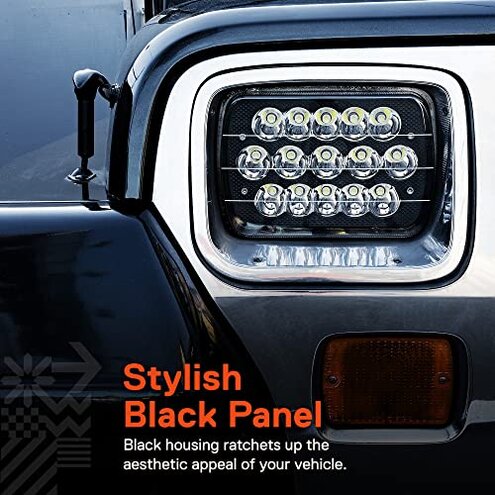
- Owners wanting plug-and-play: If you expect no modifications, avoid this product tied to repeated fit hacks.
- Night commuters: If you drive dark two-lane roads nightly, avoid due to the higher-than-normal glare risk.
- Non-DIY buyers: If you lack wiring skills, avoid because hidden harness and resistor needs increase cost and effort.
Who this is actually good for
- Experienced modifiers: DIY owners who tolerate trimming and wiring can get the bright look while managing beam shaping.
- Off-road users: Drivers who primarily use lights off-road may accept glare and fit adjustments in exchange for higher brightness.
- Custom builds: Restorers or custom van owners willing to fit adapters and aim lights precisely can benefit from the aesthetic upgrade.
Expectation vs reality
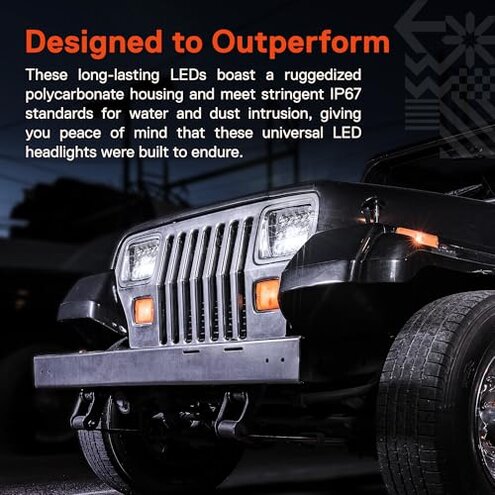
Expectation: Buyers reasonably expect a sealed-beam replacement to be plug-and-play like similar mid-range LEDs.
Reality: Many report extra parts and time are required, making the install more complex and costly than expected.
Safer alternatives
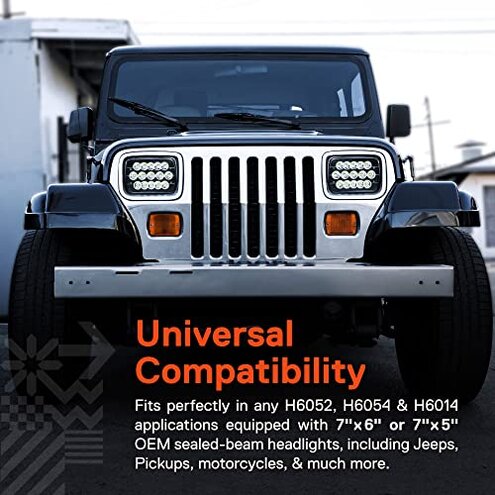
- Choose verified fit: Look for lights specifically labeled with confirmed vehicle fitment to avoid adapters.
- Prioritize beam tests: Prefer products with published beam pattern images or independent night-drive demos.
- Buy with harness: Select kits that include anti-flicker harnesses and clear wiring instructions to avoid hidden wiring costs.
- Check warranty support: Favor sellers with straightforward replacement policies for early failures.
The bottom line
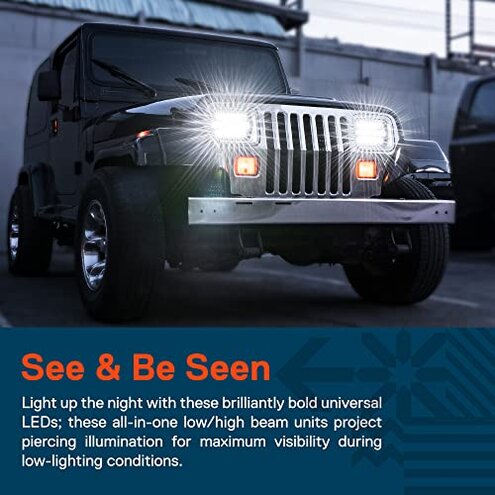
Main regret: The biggest buyer trigger is a combined fit and beam mismatch that leads to glare and extra install work.
Why worse: This exceeds normal risk because it combines frequent fit issues with early-life flicker reports more than typical mid-range LED swaps.
Verdict: Avoid this product if you need reliable plug-and-play performance and predictable, low-glare beam output.
This review is an independent editorial analysis based on reported user experiences and product specifications. NegReview.com does not sell products.