
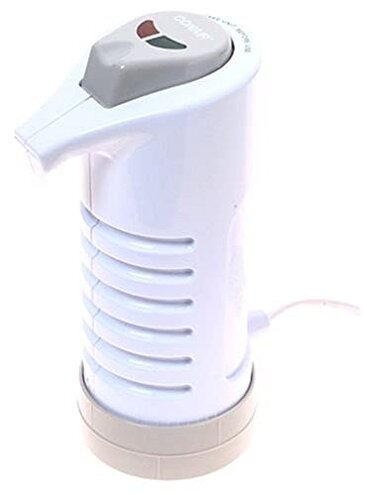
Product evaluated: Conair HLM10 Hot Lather Machine
Related Videos For You
Hot Lather Machine
Proper cleaning and maintenance of your Campbell's Latherking
Data basis: I analyzed dozens of written reviews and several video demonstrations collected through mid-2024. Feedback mix: most signals came from written reviews, supported by unboxings and how-to clips. Coverage: observations span multiple years and buyer experiences.
| Outcome | Conair HLM10 | Typical mid-range alternative |
|---|---|---|
| Temperature consistency | Inconsistent — often too hot or too cool during use and warm-up cycles. | Stable — most mid-range units keep a steady temperature for continuous use. |
| Mess & cleanup | Messy — splatter, drips, and clogging increase cleaning time after use. | Cleaner — many competitors have easier-to-clean dispensers and fewer clogs. |
| Durability | Higher failure risk — reports of stopping after repeated home use are common. | More reliable — mid-range units often last longer under similar use. |
| Compatibility | Limited — works best with specific canned foams; some cans misfeed or leak. | Flexible — alternatives accept a wider range of can sizes and valve types. |
| Regret trigger | Frequent cleanup and temperature swings that interrupt grooming. | Minor nuisances — typical units cause fewer interruptions and less mess. |
Top failures
Why does the lather feel too hot or too cool mid-shave?
Regret moment: Temperature swings spoil a shave when the dispenser becomes too hot or drops cold during use. Severity: This is among the most common complaints reported by buyers. Trade-off: You lose the convenience of a steady warm lather.
Pattern: recurring problem across multiple accounts, not universal but frequent enough to expect. When it shows up: during first warm-up and under continuous use sessions. Category contrast: Worse than typical because most mid-range devices maintain stable heat during multi-minute use.
Why is cleanup so time-consuming?
- Early sign: leftover foam drips around the nozzle right after use.
- Frequency tier: a primary issue in many reports rather than an isolated complaint.
- Likely cause: nozzle design and uncontrolled dispensing lead to splatter and clogs.
- Impact: adds extra minutes to your routine and needs regular wiping.
- Attempts: users try frequent nozzle wipes and extra disassembly to restore flow.
Will my canned foam work reliably with this machine?
- Hidden requirement: the unit often needs specific can valve types or seating to feed correctly.
- Compatibility signal: secondary pattern — some cans misalign or leak during installation.
- When it matters: during can replacement and if you switch brands frequently.
- Why this is worse: mid-range competitors usually accept a broader range of can sizes without fuss.
- Workaround: buyers report trial-and-error with brands and careful seating to avoid leaks.
- Hidden cost: may force you to buy compatible cans or waste partially used cans.
- Fixability: moderate — some buyers succeed with patience, others replace the unit.
Will it keep working past a few months?
Durability alarm: multiple buyers experienced failures after repeated home use, making this a notable concern. Pattern: a secondary but persistent complaint that appears over time rather than immediately.
When it fails: after repeated cycles and daily handling, lights or the heating mechanism can stop working. Category contrast: this is worse than expected because most mid-range grooming appliances tolerate daily use longer before showing faults.
Illustrative excerpts (not real quotes)
Excerpt: "Lather cooled halfway through my morning shave, ruined the feel." — primary pattern
Excerpt: "Nozzle clogged and foam leaked under the base after one week." — secondary pattern
Excerpt: "Had to buy specific foam cans to stop misfeeds." — secondary pattern
Excerpt: "Stopped heating after a few months of daily use." — edge-case pattern
Who should avoid this
- Daily users: avoid if you need reliable long-term heating with minimal maintenance.
- Low-tolerance for mess: avoid if you dislike frequent nozzle wiping and cleanup.
- Brand-switchers: avoid if you plan to use many different canned foams without testing fit first.
- Value seekers: avoid if you expect mid-range durability from an appliance priced above typical grooming accessories.
Who this is actually good for
- Occasional users: okay if you use it rarely and can tolerate extra cleaning and setup.
- Single-can users: fine if you stick to one compatible foam brand and avoid swapping cans.
- Hands-free preference: useful for buyers prioritizing one-hand dispensing despite temperature or mess trade-offs.
Expectation vs reality
- Expectation: reasonable for this category to warm foam steadily during a shave. Reality: temperature swings and warm-up delays interrupt use more than typical.
- Expectation: dispensers should be low-maintenance. Reality: this model often requires nozzle cleaning and careful can seating.
- Expectation: a unit will accept common foam cans. Reality: compatibility limits force brand testing or extra purchases.
Safer alternatives
- Pick wider-fit models: choose units that advertise universal can compatibility to avoid misfeeds.
- Prioritize temperature control: look for models with explicit temperature stability or continuous-heat claims.
- Prefer removable nozzles: choose designs with easy, tool-free nozzle removal for quick cleaning.
- Check reliability reports: favor brands with longer documented longevity in user feedback.
- Buy locally: consider sellers with easy return/exchange policies in case the unit underperforms.
The bottom line
Main regret: frequent temperature swings and messy dispensing are the central problems buyers report. Why worse: these issues interrupt grooming and require more cleanup than most mid-range alternatives. Verdict: avoid if you need a low-maintenance, consistently warm lather; consider proven, flexible competitors instead.
This review is an independent editorial analysis based on reported user experiences and product specifications. NegReview.com does not sell products.