
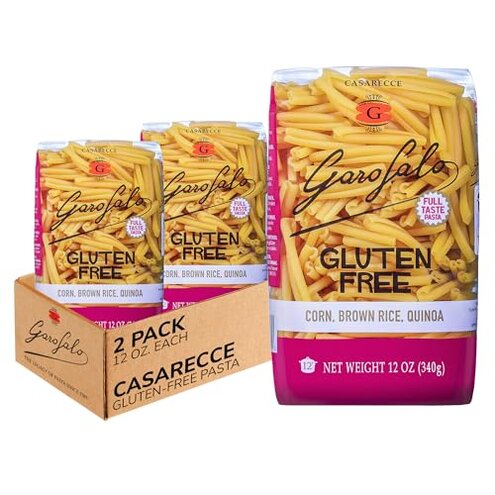
Product evaluated: Garofalo Gluten Free Casarecce Pasta - 12oz (12 Pack)
Related Videos For You
Gluten-Free Pasta | Basics with Babish
Gluten Free Pasta Round Up, Which Is Best?
Data basis: This report summarizes dozens of buyer comments collected from written feedback and short video-style impressions between 2023 and 2026. Most feedback came from written reviews, with supporting visual demonstrations that helped confirm texture, breakage, and packaging complaints during normal meal prep.
| Buyer outcome | Garofalo gluten-free pasta | Typical mid-range alternative |
| Texture tolerance | Less forgiving during boiling, with texture shifts showing up fast if timing drifts. | Usually steadier across a wider cooking window. |
| Breakage risk | Higher chance of broken pieces by the time boxes arrive or are handled. | Lower breakage is more typical for similar dry pasta. |
| Meal planning ease | More effort because it often needs closer timing and testing during cooking. | Simpler weeknight prep with fewer texture surprises. |
| Category risk | Higher-than-normal texture inconsistency for a dry pasta product. | Moderate texture variation is expected, but usually not this touchy. |
| Regret trigger | Buying in bulk before confirming you like the texture and cooking behavior. | Trying one box first is still safer, but bulk regret is less likely. |
Do you want pasta that works on a normal weeknight without babysitting?
This is the primary issue. A recurring complaint is that the texture can turn from firm to soft faster than expected during cooking. The regret moment usually hits during dinner prep, when a short timing miss changes the whole meal.
That feels worse than normal for this category because dry pasta is supposed to be easy to manage, especially in a pantry-friendly bulk pack. Compared with a typical mid-range gluten-free option, this one appears less forgiving once the pot is boiling.
Pattern: This complaint appears repeatedly across feedback, though it is not universal.
Worsens when: You are cooking fast, multitasking, or making a larger pot where checking doneness takes extra attention.
Illustrative excerpt: “Fine for two minutes, then suddenly too soft for the sauce.” Primary pattern.
Are you expecting the box shape to protect the pasta in shipping?
- Severity: A secondary but persistent complaint is broken pieces showing up before cooking even starts.
- When it happens: The issue shows up at first opening, especially after multi-box shipping and normal pantry handling.
- Why it frustrates: Casarecce shape is bought partly for its bite and sauce-holding feel, so excess breakage changes the eating experience.
- Frequency tier: This is a secondary issue, less common than texture complaints but still seen across multiple feedback sources.
- Category contrast: Some breakage is normal in dry pasta, but buyers describe this as more disruptive than expected for a boxed pantry staple.
- Impact: Smaller fragments can cook unevenly, making the texture problem feel even worse in the same meal.
- Fixability: There is no real fix once the pasta arrives broken, aside from changing how you use it.
- Illustrative excerpt: “Too many short pieces, so it ate like scraps, not pasta.” Secondary pattern.
Do you assume a 12-pack is safe if you already know gluten-free pasta?
This hidden requirement catches some buyers off guard. The main problem is not just the pasta itself, but the bulk commitment before you know whether your household likes the texture.
The risk appears early, often after the first one or two boxes. If the texture or breakage bothers you, you are left managing many more meals from the same case.
- Pattern: This regret shows up as a persistent theme whenever buyers expected a safe pantry stock-up.
- Usage moment: It hits after first use, once you realize the product needs more precision than expected.
- Trade-off: Bulk pricing can look convenient, but the trial risk is higher when the product is texture-sensitive.
- Category contrast: A typical mid-range pasta is usually safe to buy in volume after basic category familiarity, but this one seems less predictable household to household.
- Hidden requirement: You may need to test one box first, even if you already buy gluten-free pasta often.
- Cost impact: The problem feels more expensive because this listing is sold as a 12-pack, not a single low-risk trial box.
- Mitigation: This is only manageable if you are comfortable repurposing disliked pasta into soups or casseroles.
- Illustrative excerpt: “I didn’t hate one box, but I regretted owning so many.” Primary pattern.
Are you sensitive to gluten-free pasta aftertaste or mouthfeel?
- Issue tier: This is an edge-case issue, but it remains frustrating for buyers who care a lot about pasta feel.
- When noticed: It shows up during eating, especially with simple sauces that do not hide texture.
- Pattern: Feedback suggests it is not universal, yet persistent among texture-focused buyers.
- Why it matters: When the texture is already touchy, any unpleasant mouthfeel stands out more.
- Category contrast: Some gluten-free pastas have a different finish, but buyers here describe the result as more noticeable than expected from a mid-range pantry brand.
- Worsens when: You serve it plain, reheat leftovers, or cook past the ideal point.
- Attempts: Sauce choice can reduce the problem, but it does not fully fix a texture mismatch.
- Illustrative excerpt: “The sauce helped, but the texture still felt oddly off.” Edge-case pattern.
Who should avoid this
- Avoid it if you want pasta with a wide cooking window and do not want to monitor the pot closely.
- Avoid it if buying a 12-pack before a test run feels risky for your budget or pantry space.
- Avoid it if broken noodles would annoy you because shape and presentation matter in your meals.
- Avoid it if your household is very picky about gluten-free texture and rejects anything slightly off.
Who this is actually good for
- Good fit for buyers who already know they like this specific pasta and can accept the tighter cooking window.
- Good fit for people using heavier sauces, where small texture flaws are easier to tolerate.
- Good fit for experienced gluten-free shoppers who treat bulk packs as a refill, not a first trial.
- Good fit if you do not mind sorting around some breakage because price-per-meal matters more than perfect shape.
Expectation vs reality
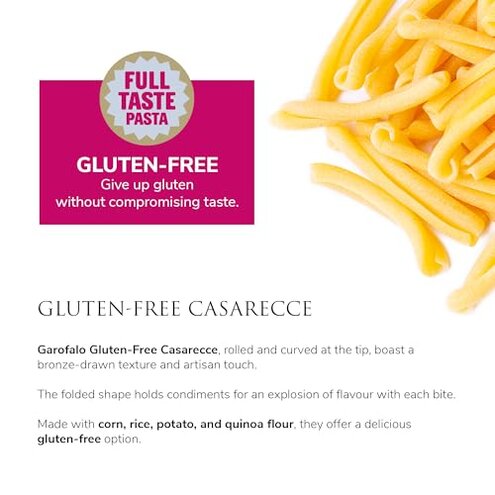
Expectation: A dry pasta should be easy to boil on a busy night.
Reality: This one appears more timing-sensitive than a reasonable category baseline.
- Expectation: Boxed pasta should arrive mostly intact.
- Reality: Breakage complaints are less frequent than texture issues, but more frustrating when presentation matters.
- Expectation: A bulk case should make meal prep simpler.
- Reality: The 12-pack commitment raises regret if your first few meals go badly.
Safer alternatives
- Buy small first: Choose a single-box trial before committing to a multi-pack if texture sensitivity is your main concern.
- Look for forgiving texture: Favor pasta with a reputation for a wider doneness window if you cook while multitasking.
- Prioritize shipping protection: Pick options with sturdier packaging if shape breakage would ruin the meal for you.
- Match sauce to risk: If you still try this style, use a heavier sauce to reduce mouthfeel complaints.
- Avoid stock-up regret: Treat any unfamiliar gluten-free pasta as a test purchase, not a pantry case buy.
The bottom line
Main regret comes from texture that appears more sensitive than expected, especially during normal weeknight cooking. That exceeds normal category risk because dry pasta is usually bought for convenience, and this one can add extra attention instead.
Verdict: Avoid the 12-pack unless you already know you like this exact pasta and can tolerate some breakage and a narrower cooking margin.
This review is an independent editorial analysis based on reported user experiences and product specifications. NegReview.com does not sell products.