
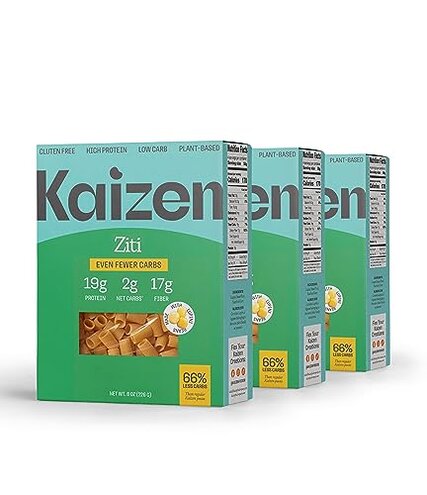
Product evaluated: KAIZEN KETO Pasta Ziti - 2 Net Carbs, 19g protein - Gluten-Free, Keto Pasta Made w/High Fiber Lupini Flour - 8 ounces (Pack of 3)
Related Videos For You
Keto Viral PASTA NOODLE Battle 🍝 The BEST Low Carb Noodle Recipe?
1 INGREDIENT HOMEMADE PASTA! (With a high protein alfredo sauce)
Data basis: This report draws from dozens of buyer comments collected from product-page feedback and short-form video impressions during the recent release period through current listings. Most feedback came from written reviews, with added context from cooking demonstrations that show texture and handling during real meal prep.
| Buyer outcome | Kaizen keto pasta | Typical mid-range pasta alternative |
|---|---|---|
| Texture payoff | Higher risk of a firm or bean-like bite that can feel less like regular pasta. | More predictable softness and chew for most sauces and baked dishes. |
| Flavor adjustment | More effort often needed from sauce and seasoning to mask the legume taste. | Lower effort because neutral taste usually does not need much correction. |
| Cooking forgiveness | Less forgiving in short cook windows, so texture can turn disappointing fast. | More normal tolerance for slight overcooking or sauce finishing. |
| Value feeling | Tougher sell at $31.96 for 3 cartons if you do not love the result. | Easier to justify when taste and texture land closer to expectations. |
| Regret trigger | Paying premium prices for low carbs, then still needing heavy doctoring. | Usually regret comes from nutrition trade-offs, not eating experience. |
Why does it still not feel like real pasta on the plate?
Texture mismatch is among the most common complaints, and it is more disruptive than expected for this category. The regret usually hits on first use, when the pasta looks close enough to regular ziti but eats noticeably different.
This pattern appears repeatedly in feedback and tends to worsen in simple meals where sauce cannot hide much. Against a reasonable low-carb baseline, this feels worse because the product promise leans heavily on tasting like regular pasta.
Illustrative excerpt: “It looked right in the bowl, then chewed nothing like pasta.” Primary pattern.
Category contrast: Many low-carb pastas have compromises, but this one seems less forgiving because expectation is set unusually high by the marketing language.
Do you need to babysit the cooking more than expected?
- Primary issue: Cooking sensitivity is a recurring frustration, especially during quick weeknight meals when timing is not exact.
- When it shows up: The problem appears during boiling and gets worse if you expect the same margin of error as regular pasta.
- Early sign: Buyers often notice the pasta can go from too firm to less pleasant quickly in a short cooking window.
- Impact: That creates extra checking, tasting, and draining steps that add more effort than typical boxed pasta.
- Why it feels worse: Low-carb pasta usually needs some care, but this seems less forgiving than many mid-range alternatives.
- Attempted fixes: Common workarounds include heavy sauce finishing or using it in casseroles, but those do not fully solve the core texture issue.
- Fixability: This is partly fixable if you are willing to test batches and adjust to your stove, but not ideal for easy repeat cooking.
Illustrative excerpt: “Miss the timing by a little, and dinner gets weird fast.” Secondary pattern.
Does the taste need too much help from sauce?
- Flavor burden: A persistent secondary complaint is that the taste can read bean-forward instead of neutral.
- Usage moment: This shows up most in simple dishes like butter, oil, or light tomato sauce where there is nowhere to hide.
- Severity cue: It is less frequent than texture complaints, but more frustrating when it happens because sauce cannot always rescue it.
- Buyer cost: You may need stronger sauces, more cheese, or more seasoning just to get to acceptable.
- Hidden requirement: The product works better if you already expect to build around it, not treat it like a drop-in pasta replacement.
- Category baseline: Some legume pastas have a mild flavor shift, but this can feel stronger than normal when buyers expect a near-standard pasta taste.
Illustrative excerpt: “Good macros, but the sauce had to do all the work.” Primary pattern.
Is the price hard to justify if you are not instantly sold?
- Value shock: Price regret is a recurring complaint because the pack costs $31.96 for 3 cartons.
- When it matters: This becomes more obvious after first meal prep, when buyers decide whether the eating experience matches the premium.
- Intensity cue: This is a primary issue because disappointment hits harder in a specialty food with a high per-ounce cost.
- Real-world impact: If texture or flavor misses for you, the remaining boxes can feel like an expensive compromise.
- Category contrast: Specialty keto foods often cost more, but this feels riskier than normal because satisfaction is highly dependent on personal tolerance.
- Mitigation: The price makes more sense only if strict low-carb needs matter more to you than a classic pasta experience.
Illustrative excerpt: “The macros impressed me more than the actual dinner did.” Secondary pattern.
Who should avoid this
- Avoid it if you want a true pasta substitute with a normal chew, because texture complaints are the primary risk.
- Skip it if you cook by instinct and do not want tight timing, since it appears less forgiving during fast meals.
- Pass if your favorite pasta dishes use light sauces, because the flavor shift is more noticeable when sauce coverage is low.
- Not ideal if budget matters, since the premium price amplifies regret when the first box does not win you over.
Who this is actually good for
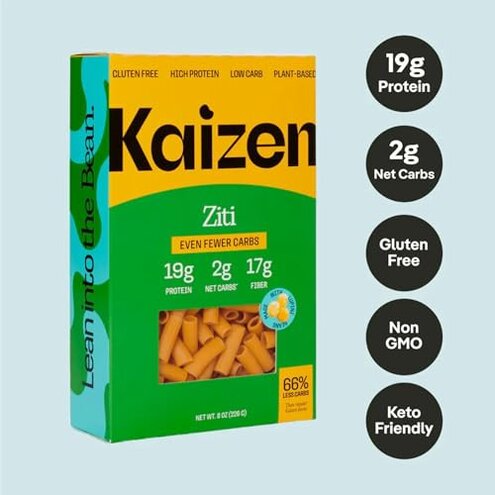
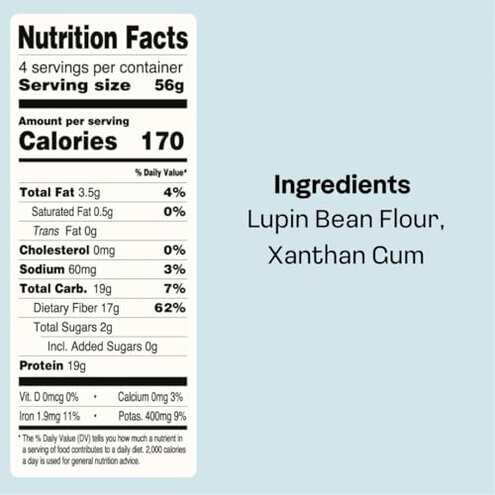
- Good fit for strict keto eaters who care most about 2 net carbs and can accept a different texture.
- Works better for buyers who already use bold sauces, baked dishes, or cheesy recipes that can mask flavor and texture limits.
- Reasonable option for macro-focused shoppers who value 19g protein more than a classic pasta feel.
- Better match for experimenters willing to test timing and recipe adjustments instead of expecting a drop-in replacement.
Expectation vs reality
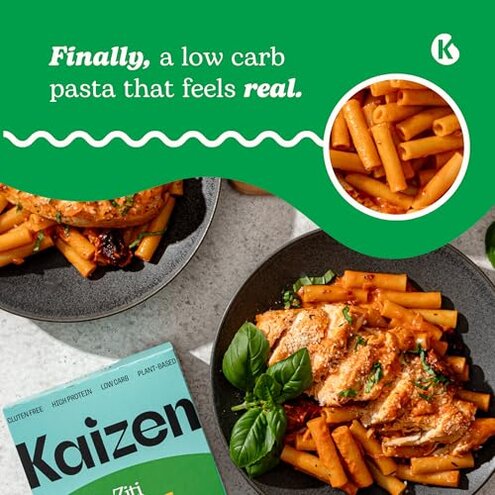
- Expectation: A reasonable hope for this category is a pasta alternative that is not identical, but still close enough for easy swapping.
- Reality: Feedback patterns suggest the texture gap can be bigger than expected, especially in simple meals.
- Expectation: Short cook time should mean easy prep.
- Reality: The short window can mean less room for error, not less effort.
- Expectation: Premium keto pricing should reduce compromise.
- Reality: The price risk stays high because liking the result is very personal.
Safer alternatives
- Choose smaller-entry options when possible, so a texture mismatch does not leave you with multiple boxes you do not want.
- Prioritize neutral-taste alternatives if you mostly eat pasta with light sauces, which directly reduces the flavor-masking burden.
- Look for more forgiving cook profiles if you want weeknight convenience, because this product seems to punish timing errors more than usual.
- Use baked or heavily sauced recipes first if you still try it, since that best offsets the strongest complaints around chew and taste.
The bottom line
Main regret trigger: You pay a premium for keto-friendly numbers, then find the texture and taste trade-off larger than expected.
Why avoid: The risk feels higher than normal for this category because cooking seems less forgiving, and the product promise sets a very high expectation. Verdict: Avoid it if your priority is pasta-like eating comfort rather than strict carb control.
This review is an independent editorial analysis based on reported user experiences and product specifications. NegReview.com does not sell products.