
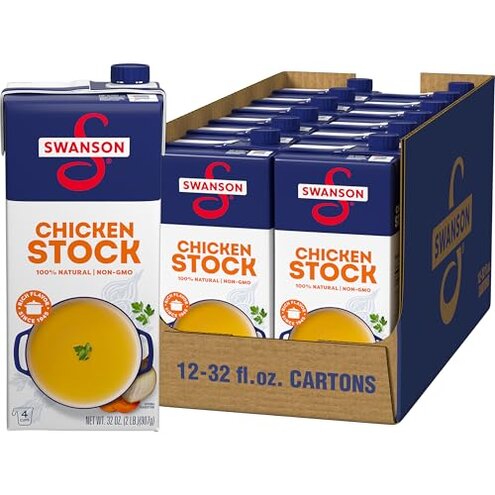
Product evaluated: SWANSON S Chicken Stock, 32 oz Carton (12 Pack)
Related Videos For You
The Ultimate Guide To Making Amazing Chicken Stock
Why We'll Never Buy Boxed Broth Again | ATK Reviews
Data basis This report summarizes dozens of buyer comments gathered from written feedback and short video-style demonstrations collected across a recent shopping window. Most feedback came from written reviews, with added context from visual unpacking posts and repeat-purchase comments, focusing on damage, taste consistency, and value concerns seen during delivery and everyday cooking use.
| Buyer outcome | Swanson stock | Typical mid-range alternative |
|---|---|---|
| Arrival condition | Higher risk of dented or leaking cartons when shipped as a 12-pack. | Usually lower damage risk when case packing is sturdier. |
| Flavor consistency | Mixed results appear repeatedly, especially for people using it as a soup base. | More predictable flavor from carton to carton. |
| Pantry convenience | Bulk size saves trips but creates storage hassle and waste if a carton leaks. | Easier to store when sold in smaller bundles. |
| Cooking payoff | Fine for basics, but some buyers find it less rich than expected for gravies or holiday dishes. | Often closer to the richer baseline expected in this category. |
| Regret trigger | Opening the case and finding damaged cartons or weak flavor after buying in bulk. | Usually regret comes from taste preference, not shipping loss. |
Did you buy a full case and get damaged cartons?
This is the primary issue. The most frustrating moment happens at delivery or first unpacking, when a bulk order should be convenient but instead needs checking carton by carton.
The pattern appears repeatedly in feedback tied to shipped multi-packs, and it feels more disruptive than normal for broth and stock cartons because one weak carton can affect nearby ones.
- Early sign: trouble often shows up right away when the outer box looks damp, crushed, or sticky at the corners.
- Frequency tier: this is a primary complaint, mentioned more often than flavor issues.
- Usage moment: it hits during unpacking, before you even start cooking.
- Why worse: compared with a typical mid-range alternative, a damaged 12-pack creates more cleanup and more wasted product at once.
- Impact: even one leaking carton can mean pantry mess, lost stock, and extra time checking the rest.
- Hidden requirement: buyers may need to inspect every carton immediately instead of storing the case unopened.
- Fixability: this is only partly fixable, because replacement steps add time and still do not help with meal timing that day.
Illustrative excerpt: “Box looked fine, but two cartons were sticky once I unpacked them.” Primary pattern.
Are you expecting rich homemade flavor and getting something flatter?
- Pattern: flavor disappointment is a secondary issue, but it is persistent across buyers who use stock as the main flavor base.
- When it shows up: this becomes obvious during soups, gravy, and holiday cooking, where the stock has less help from other ingredients.
- What buyers notice: the taste can come across as lighter or less savory than expected.
- Why it stings: in this category, a reasonable expectation is a stock that adds clear depth without extra adjustment, and some buyers report needing more seasoning than expected.
- Trade-off: the cleaner, simpler profile may work for basic recipes, but it can feel underpowered when you want instant richness.
- Worsening condition: the gap feels bigger in simple recipes with few ingredients to build flavor around it.
- Fix attempts: buyers often add aromatics or reduce longer, which means extra steps compared with many mid-range alternatives.
Illustrative excerpt: “Good enough for rice, but my soup still tasted like it needed help.” Secondary pattern.
Does the bulk pack save money only if you have space and use it fast?
Bulk value looks appealing at $35.76 for twelve 32 oz cartons, but the savings can feel smaller once storage and waste enter the picture.
This is not universal. It becomes a real frustration after delivery, when buyers with smaller kitchens realize a full case takes more room than expected.
Category contrast: pantry stock is supposed to be easy backup cooking insurance, yet this format can be less forgiving than typical smaller bundles if your space is tight.
Worsens when you cook occasionally, rotate pantry items slowly, or need to refrigerate leftovers from opened cartons with limited fridge room.
Illustrative excerpt: “The case was bigger than expected, and storing it became part of the problem.” Secondary pattern.
Will this feel disappointing if you bought it for convenience?
- Core regret: convenience is the main promise of a shelf-stable stock case, so any damage or weak flavor undercuts the reason to buy it.
- Pattern: this is a recurring effect created by multiple smaller complaints rather than one universal flaw.
- Real moment: the disappointment shows up on a busy cooking day when you expect grab-and-pour simplicity.
- More disruptive: compared with many mid-range alternatives, this feels worse because a case purchase raises expectations for reliable repeat use.
- Time cost: checking cartons, adjusting flavor, or handling replacements adds extra steps.
- Best-case fix: using it in heavily seasoned dishes can hide the weaker points, but that is a workaround, not a full solution.
Illustrative excerpt: “I wanted easy weeknight stock, not another thing to troubleshoot.” Primary pattern.
Who should avoid this
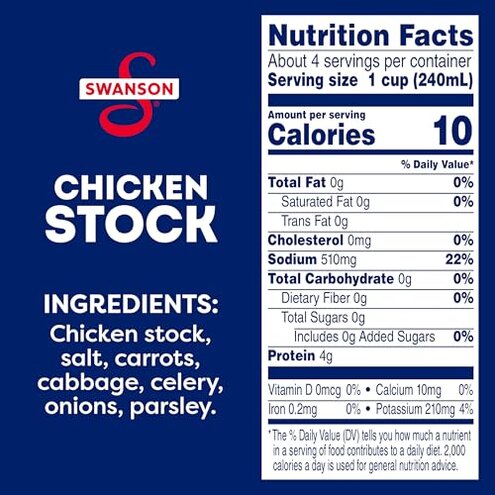
- Avoid it if you hate shipment-risk purchases, because the biggest regret starts before cooking when a bulk case arrives damaged.
- Avoid it if you expect rich stock flavor straight from the carton, since flavor complaints are less common than damage but still persistent.
- Avoid it if you have limited pantry space, because a 12-carton case creates a hidden storage burden.
- Avoid it if you need dependable holiday or gravy results without tweaking, where weaker flavor feels more obvious than in heavily seasoned dishes.
Who this is actually good for
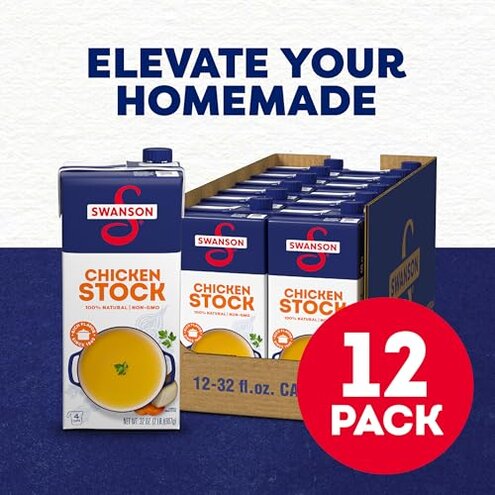
- Good fit for buyers who use stock in rice, casseroles, or braises where other ingredients carry most of the final flavor.
- Good fit for households with plenty of storage and steady stock use, so the case format becomes practical instead of awkward.
- Good fit for shoppers willing to inspect deliveries immediately and handle the occasional replacement step.
- Good fit for people who see shelf-stable stock as a backup staple, not as a shortcut to deep homemade flavor.
Expectation vs reality
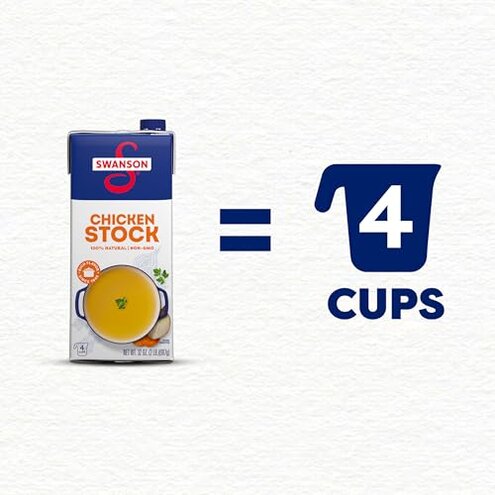
Expectation: a reasonable stock-category baseline is consistent convenience from carton to carton.
Reality: some buyers run into shipping damage first, which is a worse-than-expected failure because it affects multiple cartons at once.
Expectation: bulk buying should mean easier meal prep and fewer store trips.
Reality: for some kitchens, the case format adds storage pressure and immediate inspection work.
Expectation: chicken stock should give an obvious flavor base in soups and gravy.
Reality: secondary feedback suggests some cooks still need extra seasoning or reduction to get there.
Safer alternatives
- Choose smaller packs if your main concern is carton damage, because fewer units reduce the chance of a messy multi-carton loss.
- Pick sturdier packaging if you regularly order pantry liquids online and want lower arrival-risk than large case shipments.
- Look for richer stock if your main use is soup, gravy, or pan sauce, where this product’s lighter profile may require extra work.
- Buy local singles if storage is tight, since that avoids the hidden requirement of finding space for twelve cartons at once.
- Test one carton first in a smaller format before committing to a full case, especially if flavor payoff matters more than shelf quantity.
The bottom line
The main regret trigger is simple: a bulk pantry staple should be easy, but this one carries a higher-than-normal risk of packaging damage and a secondary risk of underwhelming flavor. Those problems feel worse than category norms because they hit convenience, which is the whole point of buying a 12-pack. Skip it if you want dependable delivery and richer flavor with minimal adjustment.
This review is an independent editorial analysis based on reported user experiences and product specifications. NegReview.com does not sell products.