
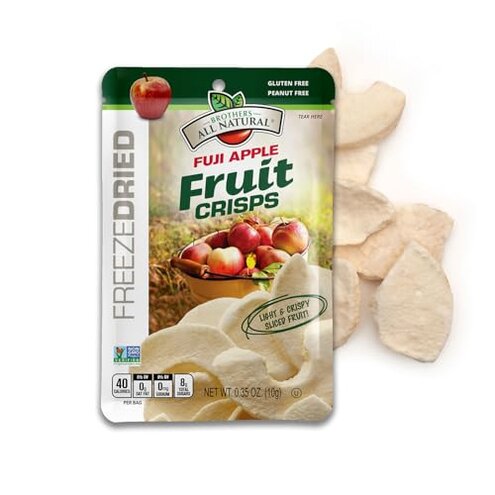
Product evaluated: Brothers-ALL-Natural Fuji Apple Crisps, 0.35-Ounce Bags, 24 Count (00017)
Related Videos For You
Best Freeze-Dried Fruit Snacks for Travel and Outdoor Adventures?
How to Cut Fruit for the Lunchbox (Apples, Oranges & Pears!)
Data basis This report summarizes hundreds of shopper comments collected from written feedback and video-style impressions between 2008 and 2026. Most feedback came from written reviews, with supporting pattern checks from visual product discussions and repeat-purchase complaints.
| Buyer outcome | This product | Typical mid-range alternative |
|---|---|---|
| Portion satisfaction | Lower because each bag is only 0.35 ounces, so snackers may need more than one. | Better because single packs more often feel like one complete snack. |
| Texture consistency | Riskier when bags arrive crushed or stale-feeling during daily lunch packing. | More stable with fewer complaints about crushed texture. |
| Value feel | Weaker at $33.99 for a 24 pack if buyers expect fuller servings. | Usually stronger when portion size better matches the price. |
| Family use | Less practical for shared snacking because small bags disappear quickly. | Easier for households that want fewer packs per sitting. |
| Regret trigger | Most common when buyers expect a filling fruit snack and get a very small, fragile pack. | Lower risk because the category baseline is small, but not usually this unsatisfying for the price. |
Why does the bag feel tiny the moment you open it?
Primary issue here is portion disappointment, and it appears repeatedly in feedback tied to first use. The regret moment usually happens at lunch packing or snack time, when one bag disappears fast.
Category baseline for fruit crisps is a light snack, but this feels more limiting than expected because each bag is just 0.35 ounces. That makes the price hit harder than with many mid-range alternatives.
Pattern complaints are recurring rather than universal, but they are among the most common negatives. Worsens in homes packing multiple lunches, because the 24 count can shrink faster than buyers expect.
Hidden requirement is needing to treat this as a light add-on, not a stand-alone snack. If you expect one bag to satisfy a hungry kid or adult, frustration is more likely.
- Early sign is checking the pack and realizing it looks much smaller than a normal snack pouch.
- Frequency tier is primary, and it shows up across multiple feedback sources.
- Impact is needing two bags instead of one, which raises the real per-snack cost.
- Fixability is limited, because the serving size is built into the product format.
Why do some bags seem more crushed than expected?
- Secondary issue is texture inconsistency, with persistent complaints during shipping and daily lunchbox handling.
- When it happens is usually on arrival or after being carried around, when delicate crisps can break down further.
- Category contrast matters because fruit crisps are expected to be fragile, but buyers commonly report more breakage frustration than with sturdier snack alternatives.
- What buyers notice is fewer neat slices and more crumbs at the bottom of the bag.
- Why it stings is that small portions feel even smaller once the contents are broken up.
- Attempts like gentler storage help a little, but they do not undo shipping damage.
Illustrative excerpt: “Half the bag felt like crumbs before lunch even started.” Secondary pattern.
Why can the price feel hard to justify?
- Primary complaint is value regret, especially after the first few days of real use.
- Context is simple: at $33.99, buyers expect convenience and enough food to feel worthwhile.
- Compared with baseline, freeze-dried fruit usually costs more than regular snacks, but this often feels more expensive than expected because of the small serving.
- Scope appears across both one-time buyers and repeat purchasers who noticed the pack goes quickly.
- Regret moment comes when a box meant to last starts disappearing after frequent lunch packing.
- Less universal for buyers who only want occasional portion control, but more frustrating for families.
- Mitigation is strongest if you already want very small, strict servings.
Illustrative excerpt: “Tasty enough, but I burned through the box way too fast.” Primary pattern.
Why does the taste and crunch seem uneven from bag to bag?
- Edge-case issue is freshness inconsistency, but it is more frustrating when it happens because this category depends heavily on crisp texture.
- When noticed is right after opening, especially if buyers expected a clean, airy crunch every time.
- Pattern is not universal, yet it appears repeatedly enough to matter in longer-term purchase decisions.
- Buyer-visible sign is a chewier or duller texture instead of a crisp bite.
- Why worse than normal is that small packs leave little room for a disappointing bag.
- Fixability is poor once opened, because texture problems are already there.
- Best attempt is checking storage and seller condition, though that does not remove batch variation risk.
- Trade-off is that the convenient single-serve format can also make inconsistency feel more noticeable.
Illustrative excerpt: “Some packs were crisp, others felt a little tired.” Edge-case pattern.
Who should avoid this
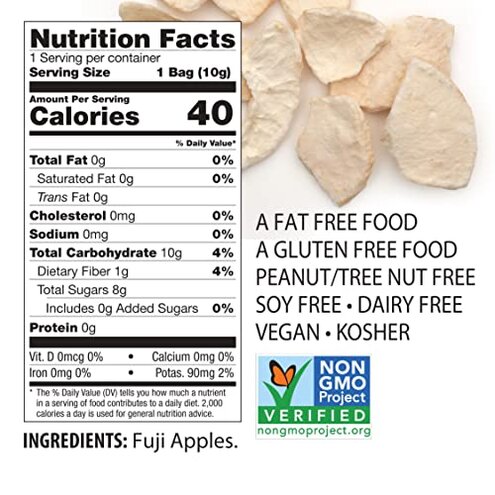
- Avoid it if you want one pouch to work as a filling snack, because the 0.35-ounce size is a primary regret trigger.
- Avoid it if you pack lunches daily for several people, because the box can disappear faster than typical mid-range alternatives.
- Avoid it if crushed texture bothers you, since breakage risk is higher than many buyers expect during normal handling.
- Avoid it if value is your main filter, because the small serving makes the $33.99 price feel steep.
Who this is actually good for
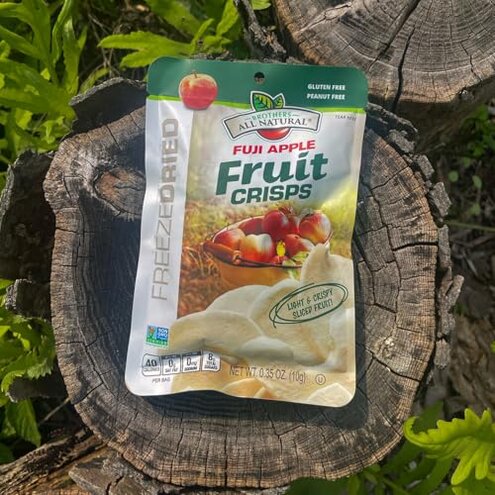
- Good fit for buyers who want very small, controlled portions and already know one pouch is a light snack.
- Good fit for allergy-sensitive households that prioritize the stated free-from positioning over maximum fullness.
- Good fit for occasional lunchbox variety, if you can tolerate some crumb risk for convenience.
- Good fit for shoppers who value freeze-dried fruit specifically and accept a higher cost per serving.
Expectation vs reality
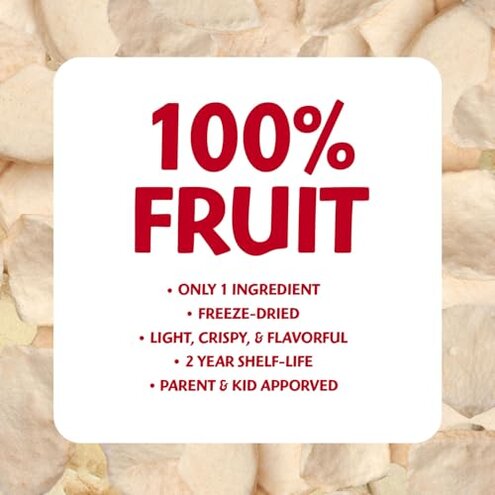
Expectation: a single-serve fruit crisp should be small but still feel like one complete snack.
Reality: this one is smaller than many expect, so buyers often end up using two packs.
Expectation: reasonable for this category is some fragility, but still mostly intact slices.
Reality: breakage risk can feel worse than expected once shipping and lunchbox handling are added.
Expectation: the higher price of freeze-dried fruit should bring easy convenience.
Reality: value regret appears when convenience is there, but satisfaction per bag is not.
Illustrative excerpt: “Good idea, but the portion felt more like a sample.” Primary pattern.
Safer alternatives
- Choose larger packs if your main risk is portion regret, especially for school lunches or adult snacking.
- Look for sturdier fruit snacks if crushed texture would bother you more than a less natural format.
- Compare ounce totals before buying, because the small bag size is the main driver of value disappointment here.
- Try variety packs first if you are unsure about repeat use, since long-term regret often appears after the box starts disappearing quickly.
- Buy for occasional use rather than daily family use if you still want this format but need to reduce cost frustration.
The bottom line
Main regret is not that the product concept is bad. It is that the very small serving, combined with crush risk and uneven value feel, creates a higher-than-normal category disappointment.
Verdict: skip it if you expect a satisfying snack per pouch or strong value for family use. It makes more sense only for buyers who knowingly want tiny portions and can accept the trade-offs.
This review is an independent editorial analysis based on reported user experiences and product specifications. NegReview.com does not sell products.