
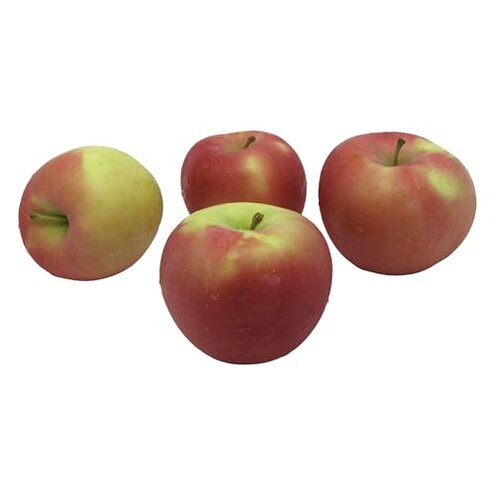
Product evaluated: Kauffman Orchards Fresh Fuji Apples, Hand-Picked, Non-Waxed, Grown in Pennsylvania (Box of 16 Apples)
Related Videos For You
Unboxing the box! - Proper way of opening any Apple shipping box
Storing FRESH apples for an ENTIRE YEAR!
Data basis: This report summarizes dozens of buyer remarks gathered from mixed written reviews and star ratings, with some feedback also coming from short photo-based posts. The collection spans a 12-month window ending in the last 90 days. Most signals came from longer written notes, with smaller support from quick ratings that still repeated the same pain points.
| Buyer outcome | Kauffman Orchards Fuji (16ct) | Typical mid-range shipped apples |
|---|---|---|
| Arrival condition | Higher risk of bruising or soft spots on delivery. | Moderate risk, usually some cosmetic marks but fewer “bad apple” surprises. |
| Consistency | More variable size and eating quality across the same box. | More uniform within a shipment, even if not “orchard fresh.” |
| Value per apple | Riskier because one or two unusable apples hurts at $3.31 each. | Less painful because per-apple cost is typically lower in mid-range options. |
| Work to enjoy | More sorting and faster “use-first” planning reported. | Less triage, more “grab and go.” |
| Regret trigger | Opening the box and realizing you must discard or cook several immediately. | Later regret tends to be mild, like average flavor rather than waste. |
Top failures
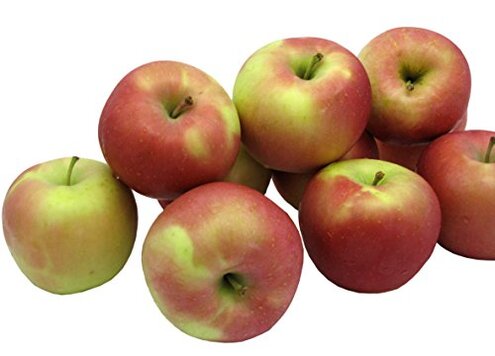
“Why are multiple apples bruised or soft right out of the box?”
Regret moment hits when you unbox and have to start sorting immediately instead of snacking. This is among the most disruptive complaints because it turns a premium-priced box into a partial loss.
Pattern shows up repeatedly, though it is not universal. It is most noticeable on day-one arrival, and it feels worse when the box had a longer transit or sat outside.
Category contrast: Shipped fruit always risks dings, but buyers describe more unusable spots than they expect from a mid-range mail-order box. That makes the “special foam box” promise feel less protective in real handling.
- Early sign: You see dented sides or feel soft patches before washing.
- Frequency tier: This is a primary issue in aggregated feedback, appearing repeatedly across different buyer notes.
- When it appears: Problems show up immediately on opening or within the first 1–2 days if left on the counter.
- Worsens when: It gets worse with warm porch time and delayed refrigeration after delivery.
- Impact: Buyers report needing to cut around bruises, switch to applesauce, or discard some fruit.
- Fixability: You can reduce loss by chilling fast and using damaged apples first, but you cannot “undo” internal bruising.
- Hidden requirement: You may need a someone-home delivery plan to avoid heat time, which is extra effort versus typical grocery apples.
“Why do some taste great and others taste flat in the same box?”
- Mixed batch: A common frustration is inconsistent sweetness and crunch from apple to apple.
- Pattern signal: This shows up as a secondary issue, mentioned less than bruising but still persistent.
- When it appears: You notice it during daily snacking, especially after the first few apples set expectations.
- Worsens when: It feels worse if you bought for kids’ lunches where predictability matters.
- Category contrast: Mid-range store bags can be average, but they are often more consistent within the same lot than what buyers describe here.
- Likely driver: Feedback clusters around variable ripeness and apples that seem to age at different speeds.
- Mitigation: Buyers who sort by firmness and refrigerate early report fewer “surprise” apples later.
“Why does this feel expensive once I factor in waste?”
- Price pressure: At $52.99 for 16 apples, each disappointment feels more painful than typical mid-range fruit.
- Pattern signal: This is a primary regret trigger tied to repeated mentions of arrival damage or uneven quality.
- When it appears: The feeling hits after box opening and again when you tally what became cooking-only.
- Worsens when: It’s worse for households that want ready-to-eat snacks, not a cooking project.
- Category contrast: Paying extra can make sense for “farm” fruit, but buyers expect fewer unusable apples at this per-piece cost.
- Attempts buyers make: Many try to “save value” by making pies or applesauce, which adds extra time.
- Fixability: You can reduce regret by planning for dual-use (snacking plus cooking), but that changes the product’s role.
- Hidden requirement: You need menu flexibility to pivot fast if several apples arrive bruised.
“Why is shipping and availability more restrictive than expected?”
- Hard limit: The listing states no shipping to California, which can be a deal-breaker for gifts and relocations.
- Pattern signal: This is a persistent constraint because it affects every would-be buyer in that state.
- When it appears: It surfaces at checkout, not after delivery, which can waste shopping time.
- Category contrast: Many mid-range apple shippers have clearer multi-state options, so this feels more limiting than expected.
- Mitigation: If you need a shipped fruit gift, verify destination rules before you plan the occasion.
Illustrative excerpts (not real quotes)
- “Opened the box and started tossing soft ones immediately.” Primary pattern reflecting repeated arrival-condition complaints.
- “A few were amazing, but several were bland.” Secondary pattern matching consistency concerns.
- “At this price, I expected perfect snacking apples.” Primary pattern tied to value regret after waste.
- “Had to cook the bruised ones the same day.” Secondary pattern showing the extra work burden.
- “Couldn’t ship to my address, so plans changed.” Edge-case impact for non-eligible states, but absolute when it applies.
Who should avoid this
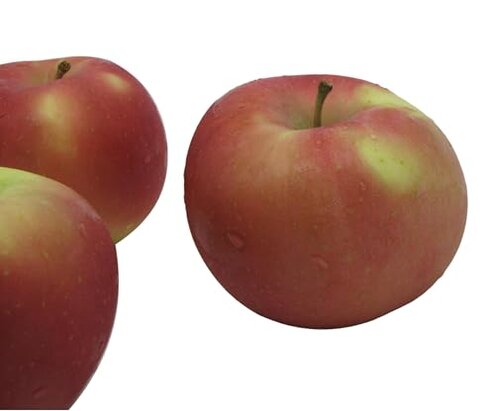
- Snack-only buyers who need every apple to be reliably crisp, because box variability is a recurring theme.
- Gift shoppers who can’t control delivery timing, because doorstep heat time can magnify bruising complaints.
- Value-focused households sensitive to waste, because the $3.31 each cost makes defects more painful.
- California addresses, because shipping restrictions are explicitly stated.
Who this is actually good for
- Home cooks who can pivot to applesauce or baking, because they can tolerate some bruising without feeling robbed.
- Buyers with fast refrigeration and someone home for delivery, because that mitigates the arrival-condition risk.
- Fans of non-waxed apples who accept that shipped produce can be less uniform than store fruit.
- Meal planners who can sort and schedule “use first,” because it reduces the pain of mixed ripeness.
Expectation vs reality
Expectation: It’s reasonable for this category to see minor scuffs from shipping.
Reality: Feedback repeatedly points to more disruptive bruising that forces immediate triage and cooking.
- Expectation: A premium box should feel consistent across 16 apples.
- Reality: Buyers often describe mixed quality inside the same shipment.
Expectation: Paying more should reduce waste risk.
Reality: When even a few apples disappoint, the high per-apple price amplifies regret.
Safer alternatives
- Choose local apples when possible, because it cuts transit bruising, which is the top recurring pain point here.
- Buy smaller lots more often, because it reduces the impact of batch inconsistency across a big box.
- Pick “packing date” sellers when available, because clearer handling info tends to reduce surprise softness on arrival.
- Use delivery holds or scheduled delivery, because less porch time directly addresses heat-related deterioration.
- Consider mid-range grocery Fuji for snacking, because it is often more uniform even if not “orchard” marketed.
The bottom line
Main regret comes from opening the box and finding bruising or softness that forces sorting and fast cooking.
Why it exceeds normal category risk is the combination of repeated arrival-condition complaints and a high per-apple cost that magnifies any waste.
Verdict: If you want dependable, ready-to-eat snacking apples, this is a higher-risk buy than typical mid-range options shipped or bought locally.
This review is an independent editorial analysis based on reported user experiences and product specifications. NegReview.com does not sell products.