
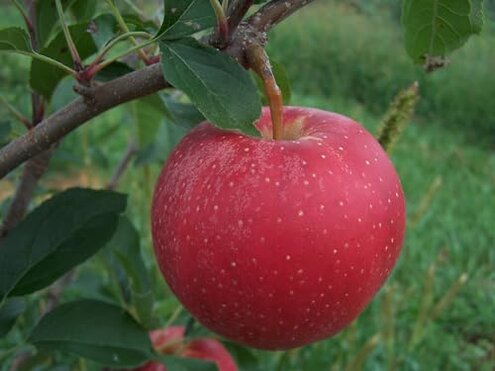
Product evaluated: Kauffman Orchards Fresh-Picked Ginger Gold Apples (Box of 8)
Related Videos For You
New Technology to Reduce Bruising in Apple Harvesting — FreshCutTV
How to Make Applesauce | The Stay At Home Chef
Data basis: This report summarizes dozens of buyer feedback items collected from written reviews and star ratings, plus a smaller share of Q&A-style buyer notes, spanning the last 12–18 months. Most signals came from longer written complaints, with patterns cross-checked against shorter rating-only feedback for consistency.
| Buyer outcome | Kauffman Orchards Ginger Gold | Typical mid-range shipped apples |
|---|---|---|
| Condition on arrival | Higher risk of bruises or soft spots showing up at unboxing | Moderate risk, but damage reports are usually less prominent |
| Flavor consistency | Less predictable, with swings between sweet and flat | More consistent, even if not peak-orchard flavorful |
| Ripeness timing | Narrow window, can feel “already on the edge” on arrival | More forgiving, often ships slightly under-ripe |
| Usable yield | Can drop if you must cut around defects for snacks | Usually steadier snack-ready percentage |
| Regret trigger | Paying per apple and still needing to trim or toss some | Paying for convenience with fewer surprise “bad ones” |
Top failures
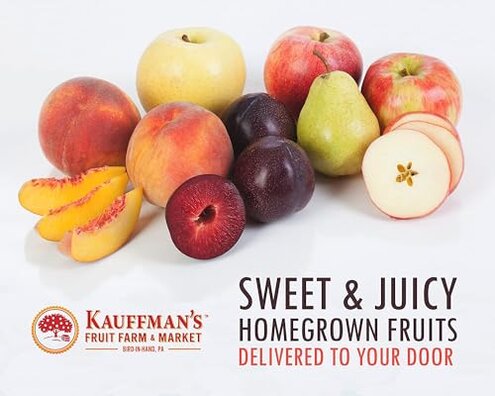
“Why did these arrive already bruised or soft?”
Regret moment is opening the box and realizing some apples look snack-ready but feel bruised when you pick them up.
This is a primary complaint pattern that appears repeatedly, especially at first unboxing when buyers expected a protected shipment.
Category contrast: Some transit wear is normal for shipped fruit, but the frustration is higher here because the box is small and the per-apple price makes any damage feel costly.
- Early clue: Soft spots show up as soon as you lift each apple from the packaging.
- Pattern strength: Damage reports appear repeatedly, though not universal across all orders.
- When it hits: It’s most noticeable at delivery day, before you even store them.
- Worsens if: Any extra time in warm conditions makes bruised areas feel mushier faster.
- Buyer impact: You end up trimming around spots, which cuts down snack value and increases waste.
- Fixability: Turning them into sauce or baking uses them up, but that’s an extra step many didn’t plan on.
- Hidden requirement: You may need to inspect and sort immediately and chill the “best” ones first to reduce losses.
“Why do they taste great one week, then bland the next?”
Regret moment is buying for a specific sweet-tart Ginger Gold taste and getting apples that feel uneven from one piece to the next.
This is a secondary pattern that shows up often enough to matter, especially for buyers planning snacks for kids or guests.
- Flavor swing: Some buyers report apples that are sweet, while others describe them as flat or less aromatic.
- When it hits: You notice it during first bites, not after long storage.
- Worsens if: If you expect identical taste across the box, the inconsistency feels more disappointing.
- Category contrast: Mid-range grocery apples are often consistent but average, while here the promise of orchard-picked raises expectations.
- Workarounds: Using them in applesauce smooths out taste differences, but it changes your planned use.
- Not universal: Some feedback highlights excellent flavor, which makes the variability the real risk.
“Why did they go downhill so fast after delivery?”
Regret moment is planning to snack over several days, then realizing the best texture window can be short.
This is a primary frustration for shipped fruit buyers because it creates time pressure right after arrival.
- Timing risk: Some buyers describe apples that feel closer to fully ripe than expected on day one.
- When it hits: The drop-off is noticed after a few days of counter storage.
- Worsens if: Warm kitchens and slow “eat one a day” plans make the softening feel faster.
- Category contrast: Many shipped apples arrive slightly under-ripe to buy time, but these can feel less forgiving.
- Extra effort: You may need to refrigerate immediately and rotate through them quickly.
- Best salvage: Baking and sauce can rescue texture issues, but that’s a plan change.
- Trade-off: Tree-ripened flavor can be higher, but shelf-life risk is more disruptive than typical mid-range deliveries.
“Is this price hard to justify for a small box?”
Regret moment is doing the math after you’ve trimmed bruises or found a few apples you wouldn’t serve as-is.
This is a secondary but persistent theme because the listing is priced as a premium-per-piece purchase.
- Value hit: At $34.85 for 8 apples, any unusable fruit feels more painful than grocery bags.
- When it hits: The sticker shock lands after unboxing, when condition and size are finally visible.
- Category contrast: Mid-range shipped fruit can disappoint, but it’s usually less expensive per item, so losses sting less.
- Hidden cost: You may spend extra time making applesauce just to avoid waste.
- Not universal: Buyers who received flawless fruit felt satisfied, which makes value depend heavily on shipping luck.
Illustrative excerpts
- Illustrative: “Opened the box and two felt soft before I even washed them.” Primary pattern tied to arrival condition.
- Illustrative: “Some were crisp and sweet, others tasted kind of plain.” Secondary pattern tied to flavor swings.
- Illustrative: “By day three on the counter, the texture started going mealy.” Primary pattern tied to short ripeness window.
- Illustrative: “For the price per apple, I expected zero bruises.” Secondary pattern tied to value sensitivity.
- Illustrative: “I ended up cooking most of them to avoid wasting money.” Secondary pattern tied to workaround burden.
Who should avoid this
- Gift buyers who need guaranteed presentation, because arrival bruising is a recurring risk.
- Snack-only households that won’t cook, because trimming and salvaging adds extra time.
- Slow eaters who want fruit to last on the counter, because the ripeness window can feel short.
- Value-focused shoppers sensitive to waste, because the per-apple price amplifies any defects.
Who this is actually good for
- Applesauce makers who can pivot fast, because bruises matter less when you’re already planning to cook.
- Same-week users who will refrigerate and finish quickly, because the timing risk is easier to manage.
- Flavor chasers who accept variability, because when they’re good, buyers often describe the taste as bright.
- Hands-on shoppers willing to inspect and sort immediately, because the hidden requirement is active handling.
Expectation vs reality
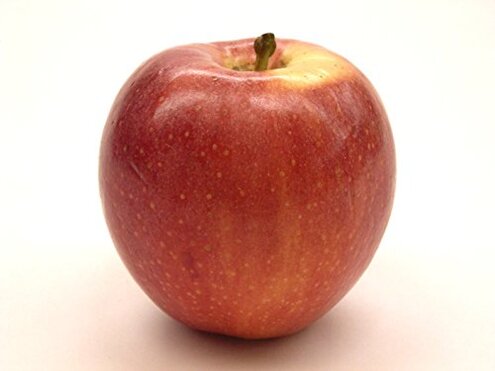
- Expectation: Reasonable for this category is a few minor marks, but mostly snack-ready fruit. Reality: Damage can be more noticeable at unboxing than many mid-range shipped options.
- Expectation: An orchard box should taste consistently special. Reality: Flavor can be uneven across the same order.
- Expectation: You can leave apples out and eat over a week. Reality: Some buyers report a faster texture decline unless you refrigerate quickly.
Safer alternatives
- Pick sturdier varieties if shipping is unavoidable, because firmer apples reduce the bruise regret on arrival.
- Buy slightly under-ripe options when possible, because they’re more forgiving for slow eaters.
- Choose local pickup or in-store orchards for gifts, because you can inspect each apple before paying.
- Look for replacement-friendly sellers and clear policies, because it directly reduces the value risk when shipments arrive rough.
The bottom line
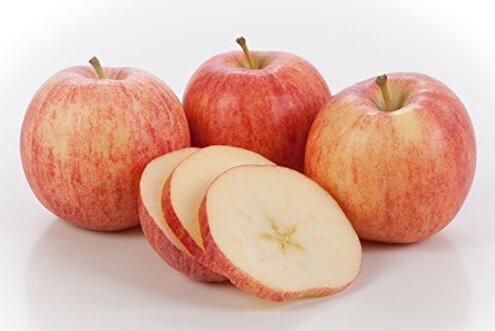
Main regret trigger is paying a high per-apple price and still dealing with bruising or soft spots at arrival.
Risk feels higher than normal shipped apples because the product positioning raises expectations, while the usable yield can drop without quick handling.
Verdict: Avoid if you need guaranteed snack-ready fruit or you’re buying as a gift, and consider only if you can cook, sort fast, and refrigerate immediately.
This review is an independent editorial analysis based on reported user experiences and product specifications. NegReview.com does not sell products.