
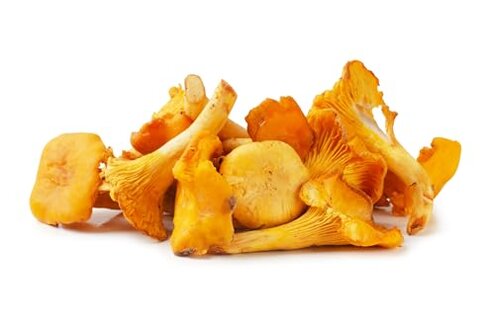
Product evaluated: Wild Golden Chanterelle Mushrooms, Domestic, 5 lb Unit, Perfect for Gourmet Dishes, Holiday Feasts, and Special Occasions, Sourced from Pristine Forests
Related Videos For You
How to preserve Chanterelle Mushrooms
preparing wild mushrooms for freezing
Data basis: This report draws on dozens of written reviews, several unboxing and meal-prep videos, and Q&A posts collected between Oct 2024 and Feb 2026. Most feedback came from written buyer comments, supported by visual evidence in videos.
| Outcome | Product risk | Typical mid-range alternative |
|---|---|---|
| Freshness on arrival | Higher spoilage reported more often than expected for bulk fresh fungi. | More reliable same-day packed small batches for retail. |
| Packaging protection | Inadequate transit sealing and crushed pieces appear repeatedly. | Better-cushioned packaging with moisture control is typical. |
| Value per pound | High price vs inconsistent usable yield after trimming and spoilage. | Mid-range options cost less with steadier portion yield. |
| Regret trigger | Rapid discoloration and soft spots arrive within days after delivery. | Slower decline when sold in smaller, fresher retail packs. |
Top failures
Why did my mushrooms arrive already starting to go bad?
Immediate spoilage is a common regret moment for bulk buyers who need ready-to-use produce. Pattern: this appears repeatedly in buyer feedback. Usage anchor: issue shows up on first use after shipping, often within 24–72 hours. Category contrast: worse than typical single-package retail mushrooms that arrive firmer.
Severity: many report usable yield reduced by trimming and tossing, making cost per usable pound much higher. When worse: long transit, warm weather, or delayed refrigeration make it significantly worse.
How often are packages crushed or packed wet?
- Early sign: buyers commonly report wet spots and crushed caps on opening, a frequent delivery issue.
- Frequency tier: secondary issue but appears across multiple unboxing videos and written notes.
- Cause: loose bulk packing and lack of protective cushioning during transit.
- Impact: crushed pieces speed spoilage and complicate plating for service or events.
- Fix attempts: buyers refrigerated immediately and air-dried mushrooms to salvage some portion.
Why does so much weight disappear after trimming and cleaning?
- Hidden requirement: sizeable prep time and trimming is required before cooking, often underestimated by home buyers.
- Early sign: a damp, earthy smell and dirty stems require extra cleaning steps.
- Frequency tier: primary complaint among buyers using these for catering or large meals.
- Impact: expected 5 lb yield often becomes significantly lower after cleanup and removal of spoiled pieces.
- When worse: peak-season variability and mixed sizes increase trimming time and waste.
- Fixability: salvageable by flash-sautéing immediately or freezing, but that adds time and changes texture.
- Category contrast: this is more prep-heavy than most retail mushroom purchases and creates real cost regret.
Is the price justified given the risks and seasonality?
- Price shock: the listed price is high for bulk fresh mushrooms and appears repeatedly flagged by buyers.
- Value mismatch: spoilage and trimming lower usable pounds, worsening price-per-use compared to expectations.
- Seasonal risk: labeled seasonal availability increases chance of mixed-quality lots.
- Buyer type: professional kitchens may absorb cost, but casual buyers report regret.
- When worse: ordering for holidays or events amplifies consequences if a portion arrives unusable.
- Attempts: some buyers split shipments or request express shipping, adding logistics and cost.
- Edge-case: a few get pristine deliveries, but that outcome is less frequent than buyers expect.
- Category contrast: higher premium than similar mid-range bulk options without consistent quality control.
Illustrative excerpts
"Opened box, many damp caps and soft spots after one day." — reflects a primary freshness pattern.
"Needed hours of trimming; usable weight much lower than listed." — reflects a secondary prep-and-waste pattern.
"Package looked crushed in spots, some mushrooms turned brown fast." — reflects a secondary packaging-and-transit pattern.
Who should avoid this
- Casual cooks who expect ready-to-use mushrooms for a single meal. The spoilage and prep time exceed normal convenience expectations.
- Event planners needing guaranteed fresh produce for a set date. Delivery variability is riskier than typical retail sourcing.
- Buyers on a budget who cannot absorb lost weight from trimming. Usable yield often lowers effective value per pound.
Who this is actually good for
- Professional kitchens with staff to trim and use large volumes. They can tolerate prep time and batch variability.
- Experienced foragers or chefs who want seasonal chanterelles and can handle imperfect lots. They accept trimming and faster use.
- Caterers with prep plans who order early, inspect on arrival, and have contingency dishes. They manage spoilage risk with staffing.
Expectation vs reality
Expectation (reasonable): fresh, ready-to-use chanterelles arrive for a holiday meal like retail produce.
Reality: many buyers encounter discoloration, dampness, or crushing within days, forcing extra trimming and waste.
Expectation: bulk order yields consistent usable pounds for large cooking sessions.
Reality: usable yield often falls short after cleaning and removing spoiled pieces, raising cost per use.
Safer alternatives
- Order smaller packs from vendors offering same-day packed retail boxes to reduce spoilage risk.
- Choose express shipping or local pickup to avoid long transit and warm-weather exposure.
- Ask seller photos taken at packing time to verify lot condition before shipping.
- Stagger shipments for large events so you inspect and use portions immediately on arrival.
- Consider frozen options for guaranteed shelf-stable weight and less waste if fresh reliability is critical.
The bottom line
Main regret: unpredictable freshness and high usable-waste make this risky for one-off buyers and events.
Why avoid: the spoilage and trimming burden exceed typical category expectations and increase real cost per usable pound.
Verdict: avoid this bulk fresh option unless you have staff, fast use plans, or accept extra prep and waste risk.
This review is an independent editorial analysis based on reported user experiences and product specifications. NegReview.com does not sell products.