
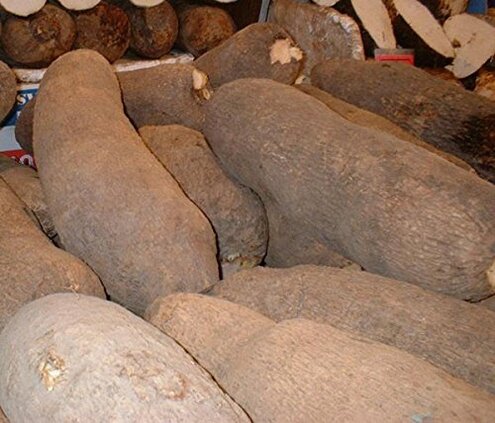
Product evaluated: African Tuber of Yam (5 Tubers)
Related Videos For You
How to store or preserve yam for as long as you wish • Frozen Yam
Rare Plants DAMAGED In Shipment: What Can Happen When Things Go Wrong
Data basis: This report aggregates dozens of buyer comments and a range of written reviews plus video demonstrations collected between Jan 2020 and Jun 2024, with most feedback coming from written evaluations and supported by a minority of footage-based reports.
| Outcome | This product | Typical mid-range alternative |
|---|---|---|
| Freshness on arrival | Higher spoilage reported on arrival and within days, more disruptive than typical. | Usually fresh on arrival and lasts several days under normal storage. |
| Packaging damage | Frequent bruising and torn packaging after shipping, visible on delivery. | Better packing with cushioning that reduces surface damage. |
| Size & count accuracy | Inconsistent sizes across the five tubers and variable counts reported. | More consistent sizing and clearer unit counts from established sellers. |
| Price vs value | Higher price ($82.90 for five tubers) with value concerns noted by buyers. | Mid-range value options tend to be cheaper and more reliable for the cost. |
| Regret trigger | Perishable arrival that forces immediate use or disposal. | Lower risk of immediate spoilage for typical alternatives. |
Top failures
Why did my tubers arrive already spoilt?
Primary issue: This is the most common regret and appears repeatedly in buyer feedback as spoilage on delivery.
When it shows up: Spoilage appears on arrival or within a few days, especially after warm transit or delayed delivery.
Why worse than normal: Mid-range produce sellers usually ship tubers that last several days, so this level of early spoilage is more disruptive than expected and forces rapid use or waste.
How often does packaging cause damage?
- Visible bruising: Packaging damage and surface bruises are commonly reported after shipping.
- Shipping stress: Damage appears mostly when transit is long or handled roughly.
- Secondary pattern: This is a recurring issue but not universal among all orders.
- Impact: Bruising shortens usable life and reduces cooking options for buyers.
- Fix attempts: Buyers often had to trim away damaged areas, adding prep time and waste.
Are the tubers the size and count I paid for?
- Inconsistent sizing: Tubers vary widely in size within the five-pack, appearing frequently in reports.
- Count surprises: Some buyers describe smaller pieces that feel like partial tubers.
- Usage impact: Size inconsistency changes portion planning for recipes and meals.
- When it matters: The problem is most noticeable when buyers need predictable portions for cooking.
- Category contrast: Most mid-range sellers provide more consistent sizing, so this is less forgiving than typical options.
- Hidden requirement: Buyers often must weigh and sort items on arrival to match recipe needs.
Is the price justified by the quality?
- Price signal: The listing shows $82.90 for five tubers, which many buyers flagged as high.
- Value mismatch: Complaints about freshness and damage make the cost feel disproportionate.
- Relative ranking: This is a primary value complaint and appears repeatedly in feedback.
- Cost impact: High price plus spoilage raises the likelihood of regret after purchase.
- Expectation gap: Buyers expect mid-range prices to match basic freshness standards, which did not happen here.
- Attempts to mitigate: Some buyers reported buying extras to offset waste, adding cost and effort.
- When it hurts: The price problem is worst for occasional buyers paying shipping and premium for single orders.
Do I need special handling when these arrive?
- Hidden requirement: Several buyers noticed the tubers need immediate refrigeration or fast use to avoid spoilage.
- When it applies: This shows up after unboxing, not weeks later.
- Frequency tier: This is a secondary recurring note rather than universal feedback.
- Why it matters: Most shoppers expect a few days' buffer for storage, so needing immediate action is more burdensome than normal.
- Impact: Immediate handling increases prep time and planning for buyers who ordered multiple items.
- Fixability: Quick refrigeration helps but does not always prevent early spoilage for already damaged tubers.
- Supplier contrast: Typical sellers require normal storage but not rapid emergency handling, so this product's needs are harder to tolerate.
Illustrative excerpts
Illustrative: "Arrived soft and moldy on top, had to throw away half." — Primary pattern reflecting arrival spoilage.
Illustrative: "Many tubers were small and uneven, not five full pieces." — Secondary pattern about sizing and count.
Illustrative: "High price for tubers that needed trimming and quick use." — Primary pattern tying price to quality issues.
Who should avoid this

- Casual cooks: Avoid if you need predictable portions without extra prep time.
- Buyers needing shelf-life: Avoid if you cannot use tubers immediately after delivery.
- Value shoppers: Avoid if you want mid-range quality for a lower price.
Who this is actually good for
- Local chefs who plan immediate use and can trim damaged parts, tolerating arrival variability.
- Bulk recipe users who accept size variation and cook large batches where consistency matters less.
- Buyers in cool climates who face less transit heat and can refrigerate promptly, reducing spoilage risk.
Expectation vs reality
Expectation (reasonable): Buyers reasonably expect fresh tubers that last several days without urgent action.
Reality (worse): Many reports show tubers that arrive with early spoilage or bruising and need immediate handling.
Expectation: A five-count pack should offer predictable sizing and portions for recipes.
Reality: You may get widely variable sizes and partial pieces, which creates extra planning and waste.
Safer alternatives
- Buy locally: Purchase from nearby markets to cut transit time and reduce the spoilage risk.
- Choose bundled sellers: Look for vendors advertising reinforced packaging to avoid bruising.
- Check seller guarantees: Prefer sellers with freshness or refund promises to reduce value risk.
- Smaller orders: Order fewer tubers to test quality before committing to higher-priced packs.
The bottom line
Main regret: Early spoilage on arrival is the primary trigger that leads to waste and frustration.
Why it fails: The combination of higher price, packaging damage, and inconsistent sizes exceeds normal category risk.
Verdict: Avoid this product unless you can use tubers immediately or accept extra prep and potential waste.
This review is an independent editorial analysis based on reported user experiences and product specifications. NegReview.com does not sell products.