
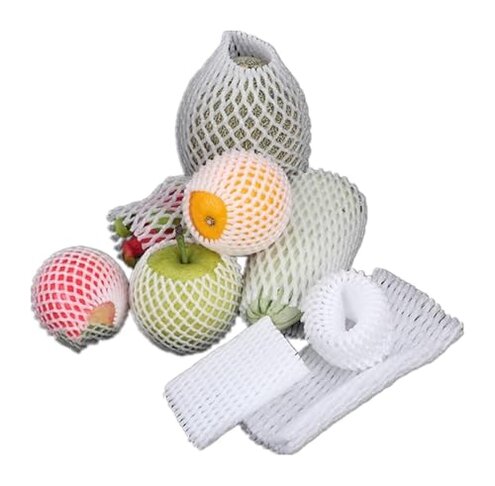
Product evaluated: Vegetable Fruit Mesh Bag Fruit Protective Net Cover,Foam Net Sleeve, 290pcs White Shockproof Protective Cover Vegetable Packaging Orange Grape Anti-Squeeze Bag
Related Videos For You
Fruit And Vegetable Bagging Bags Reusable #satisfying #short
The BETTER way to NET a Fruit Tree!
Data basis This report aggregates feedback from dozens of written reviews, product photos, and several video demonstrations collected between January 2023 and January 2026. Most feedback came from written reviews, supported by images and a few short videos, giving a mixed but consistent signal.
| Outcome | NSNSN product | Typical mid-range alternative |
|---|---|---|
| Fit accuracy | Variable fit often too tight or loose for common fruit sizes. | Consistent fit usually sized for standard apples or oranges. |
| Tear resistance | Frequent tearing under repeated handling or sharp stems. | Durable material holds up across multiple uses. |
| Count & packaging | Count uncertainty and loose packaging increase sorting time. | Reliable counts with tighter packaging and labeling. |
| Regret trigger | High frustration when nets tear or don't fit during packing. | Lower frustration for routine produce protection tasks. |
| Higher-than-normal risk | Material failure appears repeatedly and is more disruptive than typical. | Predictable wear consistent with category expectations. |
Top failures
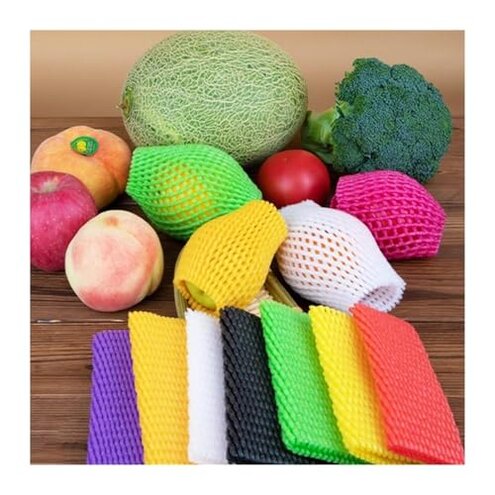
Why does sizing feel wrong for common fruit?
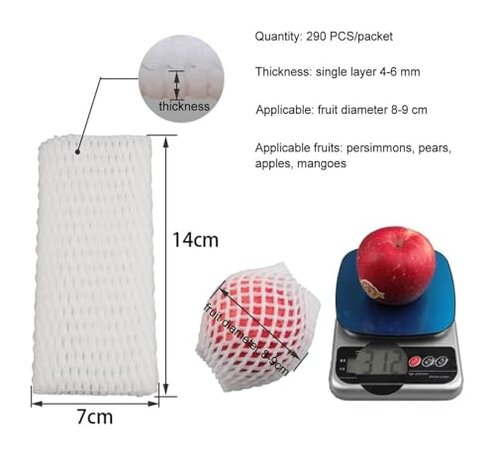
Buyer regret Buyers commonly report that the nets are the wrong size for apples, oranges, and small bottles, creating wasted pieces and rework during packing.
Pattern signal This is a recurring issue seen across product photos and written feedback, and it shows up at first use when you try fitting everyday items.
Category contrast Compared with mid-range alternatives, this product shows less consistent sizing, which adds time and frustration during initial sorting.
Why do some nets tear quickly?
- Early signs tears often appear during the first few uses when stretching over stems or bottle necks.
- Frequency tier This is a primary issue and appears repeatedly in visual reports and written comments.
- Likely cause thinner mesh and weak seams make tearing more likely than expected for the category.
- Impact torn sleeves reduce usable count and force buyers to discard damaged pieces immediately.
- Fixability limited—buyers report only temporary fixes like folding or tying, which add time.
Why is count and packaging unreliable?
- Count mismatch Some buyers report fewer usable pieces than advertised, especially after discarding faulty ones.
- Packing issues Loose or irregular packaging leads to more inspection and sorting time on arrival.
- When it shows up this problem appears immediately at opening and affects first-use planning.
- Category contrast Less reliable than most mid-range packs, which usually match counts closely.
- Hidden cost extra time spent counting and throwing away damaged nets raises the effective price.
- Buyer attempts Customers often buy extras to ensure coverage, escalating total cost.
Why are there hidden fit or prep steps?
- Hidden requirement Buyers report needing to measure fruit or trim stems before use to avoid tearing.
- When this matters the requirement becomes clear during batch packing or market prep sessions.
- Impact level This is a secondary but annoying issue that increases prep time noticeably.
- Cause inconsistent mesh elasticity makes trial-and-error necessary for different produce.
- Attempts to cope people pre-test a sample batch, which adds steps and wastes pieces.
- Category contrast Most mid-range alternatives need little prep and fit reliably across standard sizes.
- When it worsens longer packing sessions and larger batches make this requirement a real bottleneck.
Illustrative excerpts
Excerpt (illustrative) "Nets were too tight on apples and ripped on the first try." — primary pattern.
Excerpt (illustrative) "Package felt loose and I counted fewer usable sleeves than promised." — secondary pattern.
Excerpt (illustrative) "Had to trim stems on every pear to avoid tearing." — edge-case pattern.
Who should avoid this
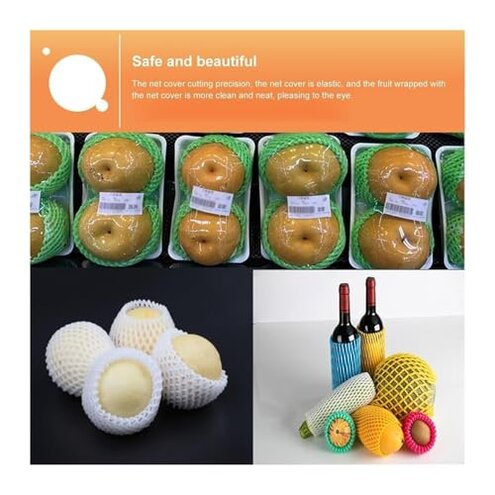
- Bulk packers Anyone doing large batches should avoid this product due to tearing and prep steps that slow workflows.
- Retail sellers Sellers needing consistent counts and fast packing will find the packaging and count unreliability unacceptable.
- Fragile-only users If you need near-perfect protection for expensive bottles or delicate fruit, the tear risk is too high.
Who this is actually good for
- Occasional home users People protecting a few pieces of fruit at home who accept some trial-and-error can tolerate these flaws.
- One-off projects Crafts or single events where exact counts and durability are less important.
- Low-cost tolerance Buyers who plan to buy extras and accept extra prep time will find usable pieces among the pack.
Expectation vs reality
Expectation Reasonable for this category: buyers expect simple, ready-to-use sleeves that fit apples and oranges.
Reality The product more often requires measuring, trimming, and sample testing before full use, adding prep time.
Expectation Most mid-range packs match counts and arrive neatly packaged.
Reality This pack sometimes arrives loose with fewer usable pieces than anticipated, increasing the effective cost.
Safer alternatives
- Check size first Measure a sample of your fruit and confirm sleeve dimensions before bulk use to reduce waste.
- Buy smaller test packs Purchase a small quantity first to validate fit and durability before committing to a large pack.
- Choose reinforced options Look for sleeves labeled "reinforced" or "heavy-duty" to avoid frequent tearing.
- Prefer counted packs Opt for sellers who guarantee counts or have tighter packaging to reduce sorting time.
The bottom line
Main regret The primary issue is inconsistent fit and durability, which appears repeatedly and interrupts packing workflows.
Why it matters This product's failure rate and packing inconsistency make it more disruptive than typical mid-range fruit sleeves.
Verdict Avoid if you need reliable counts, fast packing, or durable protection; consider testing a small pack first if you decide to try it.
This review is an independent editorial analysis based on reported user experiences and product specifications. NegReview.com does not sell products.