
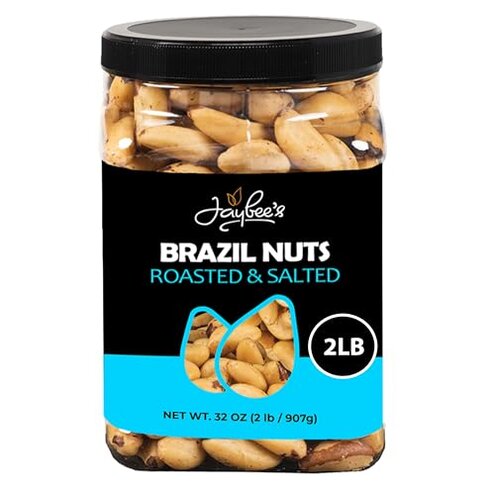
Product evaluated: Jaybee's Roasted Salted Brazil Nuts - (32 oz) Great for Daily Use, Baking, Cooking and Gift Giving - Reusable Container - Kosher - Vegan, Paleo, Keto Friendly Healthy Snack
Related Videos For You
How to store Brazil nuts (also known as Pará nuts or Amazon nuts)
Data basis: This report analyzed dozens of written customer reviews and visual demonstrations collected between 2020–2024. Most feedback came from written reviews, with support from video demonstrations. The distribution was mainly long-form comments, plus short posts and visual tests.
Comparative risk snapshot
| Outcome | Jaybee's (this product) | Typical mid-range nuts |
|---|---|---|
| Freshness on arrival | Inconsistent — commonly reported stale or oily notes on first use. | Usually fresh — sealed foil or vacuum packs are common. |
| Packaging reliability | Questionable — seal or container issues appear repeatedly in feedback. | More secure — many rivals use airtight pouches or double seals. |
| Taste consistency | Variable — salt and roast levels vary between packages. | Stable — typical mid-range brands are more consistent batch-to-batch. |
| Higher-than-normal risk | Rancidity risk — more disruptive than expected for bulk nuts over time. | Lower risk — better packaging reduces rancidity chances. |
| Regret trigger | Freshness loss on first days or after short storage. | Delayed — freshness usually lasts longer for comparable options. |
Top failures
Why do some bags smell or taste off on first use?
Regret moment: You open the container and notice a stale or oily smell that muddies the roast flavor. This is commonly reported across written reviews and demonstrations.
Pattern: The issue is recurring for many buyers, not universal but frequent enough to be a primary complaint. The problem often appears on first opening or after a few days of storage.
Category contrast: This feels worse than typical bulk-nut purchases because mid-range alternatives often use vacuum or foil pouches that preserve aroma better, reducing immediate rancid notes.
Is the packaging keeping the nuts fresh?
- Seal quality: Reports show the reusable container or bag occasionally has a weak seal, which lets air in.
- Visible damage: Buyers commonly reported split seals or loose lids on arrival, especially in long shipments.
- Storage surprise: The product often requires immediate transfer to an airtight container to maintain shelf life.
- Scope signal: These packaging issues appear across written reviews and videos, suggesting a distribution-level problem.
- Category baseline: More upkeep than most mid-range alternatives because buyers must add extra steps to avoid spoilage.
Why does salt and roast vary between batches?
- Early sign: Some packages show a lighter roast or milder salt on first bites.
- Frequency tier: This is a secondary complaint that appears intermittently across purchases.
- Cause clue: Variation likely stems from batch roasting differences or inconsistent seasoning.
- Impact: The change in flavor can make the product less suitable for recipes requiring consistent salt levels.
- Attempts to fix: Buyers report re-mixing nuts from multiple packages to even out taste.
- Fixability: Tolerable for snacking but frustrating if you expected uniformity for baking or gifting.
Do you get fair value for the price?
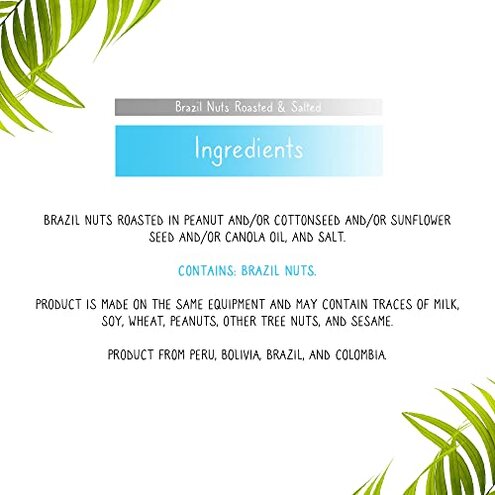
- Price signal: The product is sold at a bulk price that many buyers compare to premium seale
- Value complaint: Primary buyers find freshness issues make the cost feel less justified.
- Hidden requirement: Maintaining freshness often requires an airtight container or refrigeration, which adds time and cost.
- Worsening conditions: Rancidity becomes more noticeable with daily access or during warm storage.
- Comparative pain: More upkeep than most mid-range nut options because of storage demands and resealing steps.
- Attempts: Buyers commonly report freezing portions to extend life, adding extra handling time.
- Outcome: For many, the extra steps reduce the convenience expected from a bulk snack purchase.
Illustrative excerpts (not real quotes)
Excerpt: "Opened jar, smelled oily and slightly sour, not a fresh roast."
Note: This reflects a primary pattern seen across reviews.
Excerpt: "Lid was loose; had to transfer to airtight bag immediately."
Note: This reflects a secondary packaging reliability pattern.
Excerpt: "Salt level varied so badly it ruined my cookie recipe."
Note: This is an edge-case but disruptive for baking use.
Who should avoid this
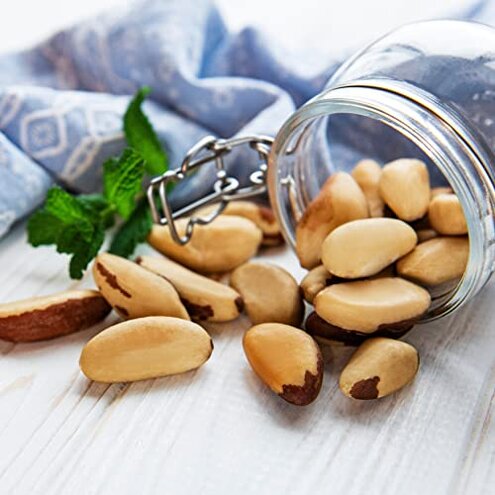
- Gourmet shoppers: Avoid if you expect consistent roast and salt for recipes or gifting.
- Low-maintenance buyers: Avoid if you want a no-prep snack that stores well without extra steps.
- Warm-climate users: Avoid if you live in heat and can’t refrigerate, as rancidity risk increases.
Who this is actually good for
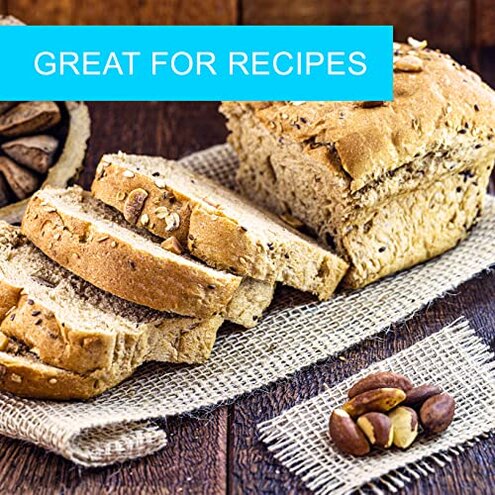
- Budget bulk buyers: Good if you accept extra storage care like airtight jars to extend life.
- Immediate consumers: Good if you plan to eat quickly within days after opening.
- DIY packagers: Good for buyers willing to repackage into vacuum or freezer-safe bags.
Expectation vs reality
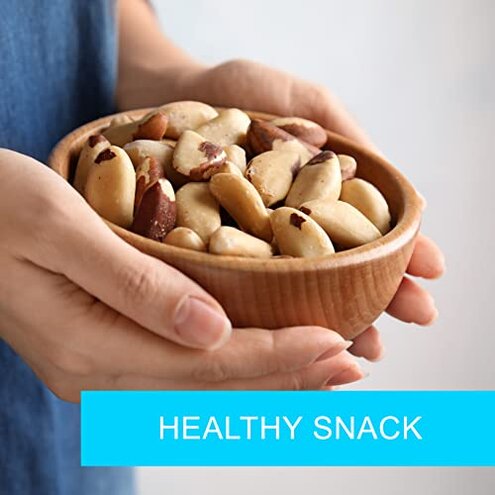
Expectation: Reasonable for this category to arrive in a resealable container that preserves freshness.
Reality: Many buyers found the seal or container less reliable than expected, causing rapid aroma loss.
Expectation: Reasonable to expect consistent salt and roast across a bulk package.
Reality: Some packages show batch-to-batch variation, which is more disruptive than typical mid-range alternatives.
Safer alternatives
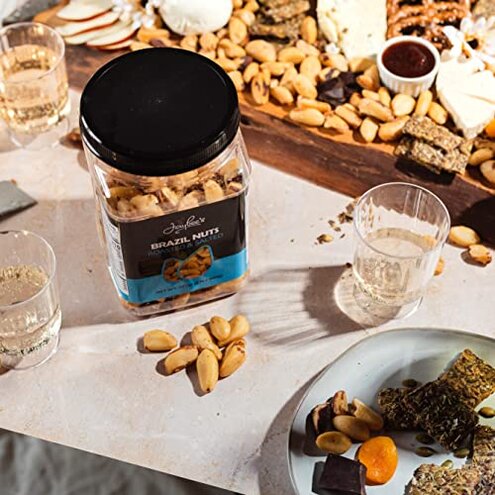
- Buy sealed pouches: Choose brands that ship in vacuum or foil pouches to reduce immediate freshness risk.
- Smaller packs: Prefer smaller, multiple packages to avoid long-term storage and rancidity.
- Check for airtight: If buying bulk, plan to repackage into airtight jars or freezer bags on arrival.
The bottom line
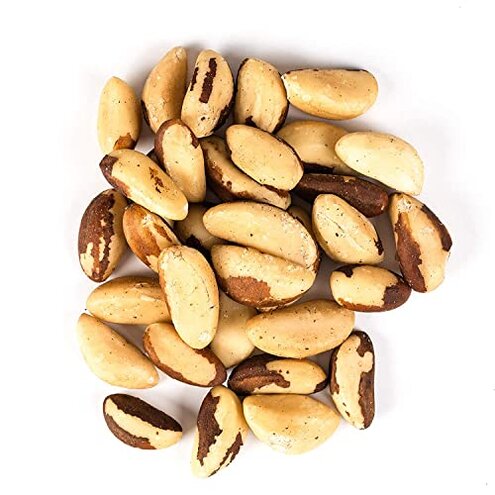
Main regret: The primary trigger is freshness loss tied to packaging and batch variation. This issue is commonly reported and appears across multiple feedback types.
Why worse: It exceeds normal category risk because buyers face extra storage steps or flavor loss that reduces bulk value.
Verdict: Avoid if you want ready-to-eat reliability; consider sealed alternatives or plan to repackage on arrival.
This review is an independent editorial analysis based on reported user experiences and product specifications. NegReview.com does not sell products.