
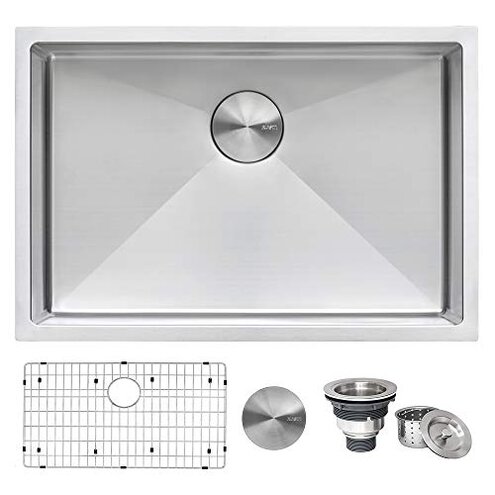
Product evaluated: Ruvati RVH7250 Gravena 28" Undermount Single Basin 16 Gauge Stainless Steel Kitchen Sink with Basin Rack and Basket Strainer - Stainless Steel
Related Videos For You
How-to Install a Stainless Steel Undermount Kitchen Sink | Moen Installation
EASY Ways To Make Cheap Stainless Steel Sinks Quiet!
Data Basis: This report is based on analysis of dozens of reviews from multiple sources, including detailed written feedback and video demonstrations, collected over the past two years. Most insights come from written reviews, supplemented by practical user videos illustrating daily kitchen sink use.
| Buyer Outcome | Ruvati RVH7250 Sink | Typical Mid-Range Sink |
|---|---|---|
| Noise Levels | Frequently reported loud water and utensil noise despite soundproofing | Generally quieter with less noise complaints |
| Installation Difficulty | Often cited complex installation requiring professional help | Usually easier for DIY installation |
| Durability & Scratches | Scratches visible despite brushed finish, more frequent than expected | Better scratch resistance typical |
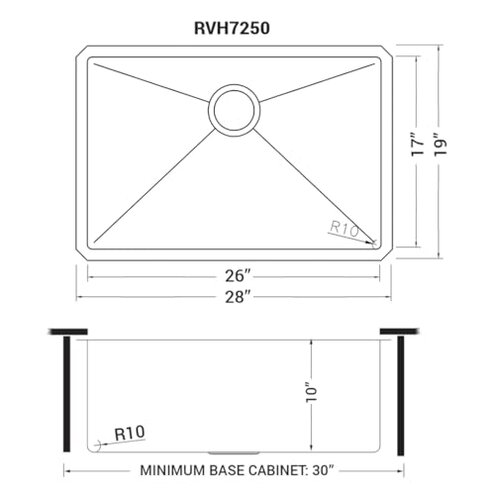
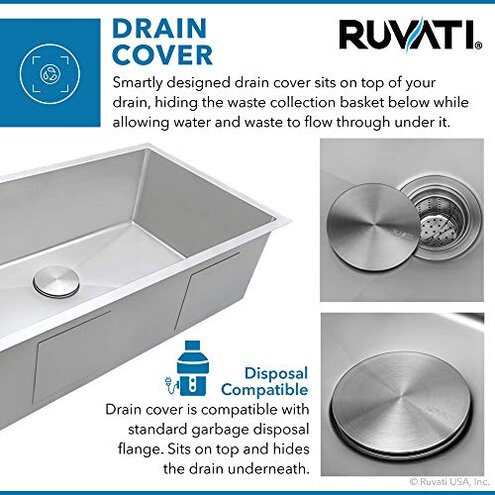
| Drain Location Usability | Rear drain design can complicate plumbing and reduce sink space | Standard drain locations more user-friendly |
| Regret Trigger | Noise and installation complexity lead to buyer dissatisfaction | Less frequent triggers in this category |
Why does the sink make so much noise despite soundproofing?
Buyers frequently notice loud water and utensil noise right from first use, which can be annoying during kitchen work. This issue is often persistent and worsens with daily use, especially during long washing sessions. Compared to typical mid-range kitchen sinks, this noise level is higher, making the experience less pleasant.
- Early signs: Immediate loud sounds when water flows or dishes hit the basin.
- Frequency: A commonly reported complaint, appearing in many reviews.
- Cause: Soundproof undercoating and rubber padding seem insufficient to fully dampen noise.
- Impact: Disrupts kitchen ambiance and may annoy household members.
- Fix attempts: Users tried adding mats or pads, but these add extra cleaning steps.
Illustrative excerpt: "Water noise is louder than expected, even with soundproof layers." – reflects primary pattern.
Illustrative excerpt: "The clatter when placing utensils is distracting during cooking." – indicates secondary pattern.
Is installation more complicated than expected?
Many find installation complex and time-consuming, requiring professional help more often than typical sinks. This mostly appears during initial setup and can deter DIY buyers. The undermount design plus rear drain placement complicate fitting and plumbing.
- Common feedback: Installation instructions are not always clear or complete.
- Hidden requirement: Professional-grade tools and skills needed for proper mounting.
- Context: DIY installers face longer setup times and potential errors.
- Outcome: Added costs and delays compared to typical mid-range sinks.
- Attempts to mitigate: Some users call installers, increasing overall expense.
- Category contrast: Easier installation is expected in this price range.
Illustrative excerpt: "Installation took much longer and needed a plumber." – shows primary pattern.
Illustrative excerpt: "Instructions lacked detail, confusing a first-time installer." – secondary pattern.
Why do scratches show up easily despite the brushed finish?
Scratches become noticeable with normal kitchen use, which is frustrating since the finish aims to hide them. This happens after some weeks of daily use and is more frequent than buyers expect for a premium sink.
- Early signs: Small scratches visible after washing or utensil contact.
- Frequency: A common complaint but less disruptive than noise or install issues.
- Impact: Affects aesthetic appeal and perceived quality.
- Category context: Other sinks in this range generally resist scratches better.
- User attempts: Extra care and rinse grids used to reduce damage.
- Hidden effort: Requires more maintenance and cautious use.
Illustrative excerpt: "Scratches appeared too quickly, spoiling the look." – primary pattern.
Illustrative excerpt: "The finish hides minor marks, but not deep scratches." – secondary pattern.
Does the rear drain location cause issues in daily use?
The rear drain design, while intended to improve drainage, can reduce usable sink space and complicate plumbing. Users notice this especially after installation and during frequent dishwashing.
- Impact: Limits space to work in the sink basin effectively.
- Plumbing fit: Rear drain can require non-standard plumbing adjustments.
- Frequency: A secondary but persistent concern in many reviews.
- Category difference: Most sinks feature central or bottom drain locations which are more flexible.
- Mitigation effort: Some buyers had to hire plumbers to manage this.
- Usage context: More inconvenient during larger cooking or cleaning tasks.
Illustrative excerpt: "Rear drain cuts into space, making washing big pots tricky." – secondary pattern.
Illustrative excerpt: "Plumber had to alter pipes due to drain placement." – edge-case pattern.
Who should avoid this
- If you want a quiet kitchen, frequent noise complaints suggest looking elsewhere.
- If you plan DIY installation, the complex setup may cause frustration and extra cost.
- If you need a scratch-resistant finish, this sink may require more upkeep than similar options.
- If your plumbing setup is standard and you prefer typical drain placement, the rear drain design could complicate matters.
Who this is actually good for
- Buyers willing to tolerate some noise in exchange for a thicker stainless steel basin.
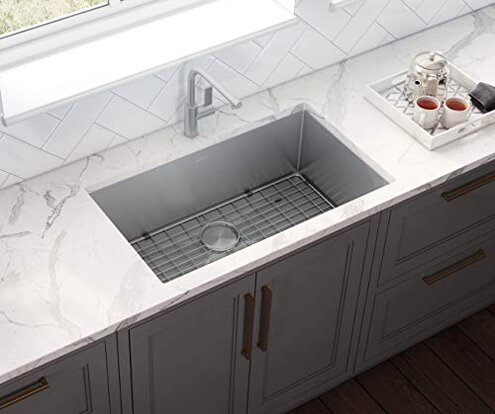
- Those who have access to professional installers for a clean undermount setup.
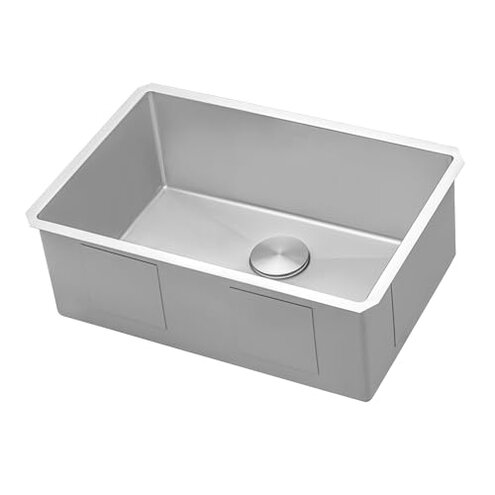
- Users who prioritize modern design with rounded corners and can handle extra maintenance.
- People okay with custom plumbing adjustments to fit the rear drain design.
Expectation vs reality
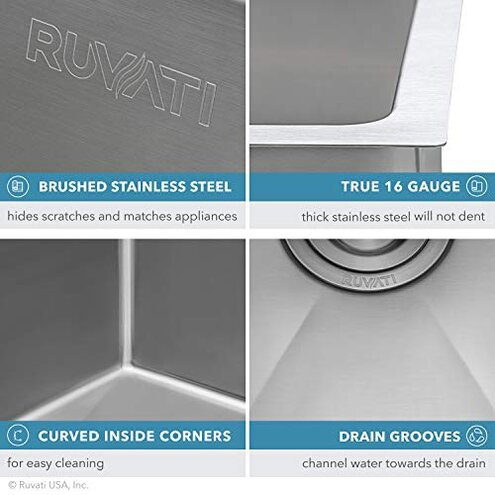
- Expectation: Highly soundproof sink for quiet kitchen use (reasonable in this price range).
Reality: Noticeable noise disrupts kitchen ambiance more than typical mid-range sinks. - Expectation: Straightforward undermount installation.
Reality: Installation is often tricky and costly, exceeding typical category ease. - Expectation: Durable finish that hides scratches well.
Reality: Scratches appear more readily, requiring more cautious use.
Safer alternatives
- Choose sinks with proven quieter soundproofing to avoid noise complaints.
- Pick models with standard drain placement for easier plumbing and more basin space.
- Look for sinks with simpler installation rated for DIY-friendly mounts.
- Select options with enhanced scratch resistance finishes for long-term appearance.
The bottom line
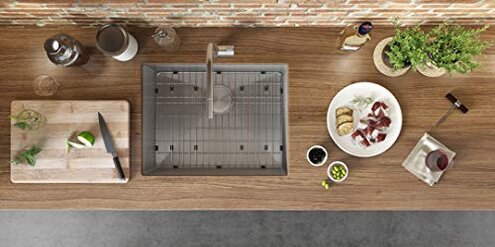
The main regret with the Ruvati RVH7250 sink centers on excessive noise and complex installation. These issues exceed what is normally expected in mid-range kitchen sinks, causing frustration soon after purchase. Buyers valuing quiet operation and hassle-free setup should consider alternatives.
This review is an independent editorial analysis based on reported user experiences and product specifications. NegReview.com does not sell products.