
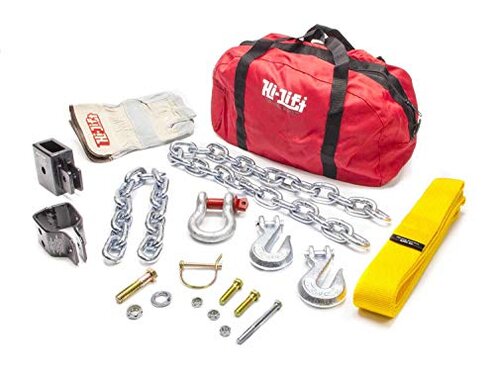
Product evaluated: Hi-Lift Jack Off-Road Kit ORK
Related Videos For You
Hi-Lift or Bottle Jack - What is the Better Tool for Changing a Flat Tire out on the Trail?
Compact Jack Stands with Bottle Jack Recovery Kit by Safe Jack
Data basis This report summarizes dozens of buyer comments collected from written feedback and hands-on video-style demonstrations between 2023 and 2026. Most feedback came from written owner impressions, with smaller support from visual use examples showing setup and recovery use in real off-road conditions.
| Buyer outcome | Hi-Lift ORK | Typical mid-range alternative |
|---|---|---|
| Setup speed | Slower; adds extra steps before you can pull or recover | Simpler; usually fewer pieces to sort and attach |
| Learning curve | Higher; less forgiving if you have not practiced first | Moderate; still technical, but usually easier to understand |
| Trail-side stress | Higher-than-normal; frustration rises when you need it fast in mud or uneven ground | More manageable; still work, but less setup pressure |
| Pack convenience | Mixed; one bag helps storage, but more kit to keep track of | More streamlined; often fewer accessories to handle |
| Regret trigger | Buying before practice; many frustrations show up on first real recovery | Using beyond limits; regret usually comes later, not immediately |
Do you want a kit that works fast the first time you need it?
This is the primary issue. A recurring complaint with jack-based recovery kits is that the real frustration shows up during the first real use, not while unpacking it at home.
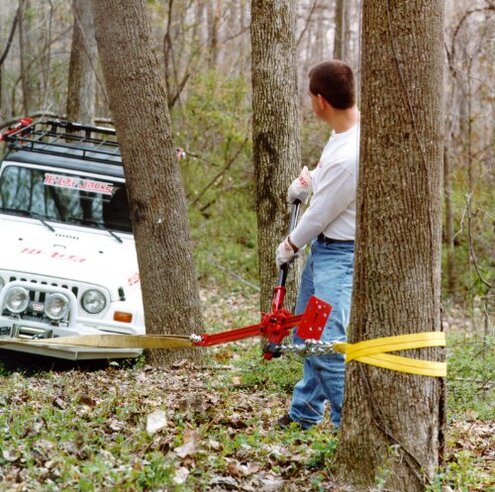
When stuck in mud, sand, or on uneven ground, the extra steps feel more disruptive than expected for this category. A typical mid-range recovery setup still needs care, but this style is less forgiving under pressure.
- Pattern The setup burden appears repeatedly across owner feedback, even though it is not universal.
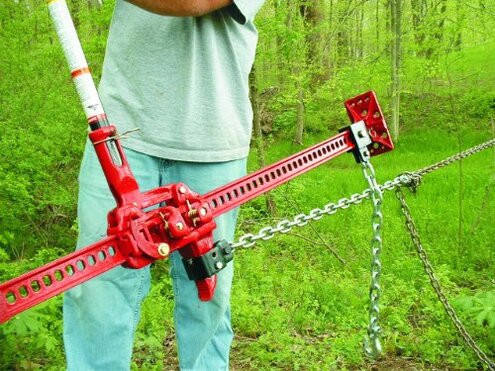
- Usage moment The trouble usually starts after setup begins, when you must connect several pieces in the right order.
- Early sign If the instructions make sense only after a few rereads, trail-side use will likely feel slower.
- Impact Buyers commonly describe losing time exactly when they wanted a quick recovery.
- Why worse In this category, some complexity is normal, but this kit often demands more practice than buyers expect at this price.
Illustrative excerpt: “I thought the bag meant grab-and-go, but I still had to figure everything out.” Primary pattern.
Are you expecting the included kit to cover everything you need?
- Hidden requirement A persistent frustration is that the kit can feel less complete in practice than buyers assume from the all-in-one pitch.
- When it appears This usually shows up on first recovery use, when users realize knowledge and compatible supporting gear still matter.
- Scope This is a secondary issue, but it is more frustrating when it happens because it stops the job entirely.
- Cause The product extends a Hi-Lift jack into a recovery tool, but it does not remove the need for safe technique and planning.
- Impact Buyers who expected a simple rescue add-on often face extra prep, extra checking, and more room for error.
- Fixability The problem improves with practice, but that means time before the kit feels dependable.
- Category contrast Comparable mid-range recovery gear often has clearer single-purpose use, while this setup asks the buyer to manage multiple roles at once.
Illustrative excerpt: “It came with parts, not confidence.” Secondary pattern.
Will this feel reassuring if you only use it occasionally?
Confidence loss is a recurring regret point for occasional users. The kit can sit packed away for a long time, then feel hard to recall when you finally need it.
During emergency use, that memory gap feels worse than expected because recovery gear is bought for stressful moments, not relaxed practice sessions. That makes this inconvenience more costly in time than with many typical mid-range alternatives.
- Frequency tier This is a primary issue for casual owners and a smaller issue for experienced off-road users.
- Worsens when It gets worse after long gaps between uses, especially if the kit stays in the bag untouched.
- User-visible effect Instead of feeling ready, the kit can feel like something you must relearn each time.
- Stress cost Buyers often regret that the learning burden returns right when conditions are messy or urgent.
Illustrative excerpt: “By the time I remembered the order, I was already frustrated.” Primary pattern.
Are you okay with a recovery kit that asks more from the user than the bag suggests?
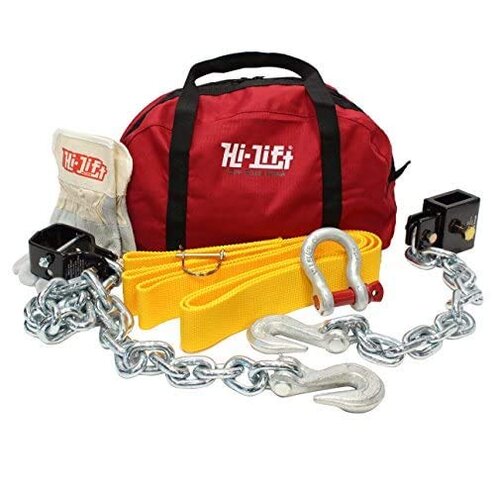
- Core trade-off The included bag and bundled accessories create a convenient impression, but repeated feedback patterns suggest convenience is mostly about storage, not ease of use.
- Context This gap appears during real recovery, not while checking the contents at home.
- Severity It is an edge-case issue for experienced users, but a strong regret trigger for buyers who wanted low-effort operation.
- Comparison Many mid-range alternatives are less versatile, but they are also easier to trust without much rehearsal.
- Buyer impact If you bought versatility to reduce hassle, this kit can do the opposite and add decision-making.
- Mitigation Practicing before travel helps, but that still confirms the product has a higher-than-normal readiness burden.
Illustrative excerpt: “Great bag, but not the easy backup tool I expected.” Edge-case pattern.
Who should avoid this
- Occasional users should avoid it if they want a tool that feels intuitive after months of sitting unused.
- First-time recovery buyers should avoid it if they expect the included kit to replace practice and technique.
- Stress-averse drivers should avoid it if they need the fastest possible setup during bad weather or unstable ground.
- Convenience-focused shoppers should avoid it if “all in one” means low learning effort to them.
Who this is actually good for
- Experienced owners of Hi-Lift gear who already know the recovery process and can tolerate the setup burden.
- Practice-minded users who will rehearse before trips and accept the hidden requirement of learning the system.
- Space-conscious off-roaders who value one stored kit and do not mind extra steps during use.
- Versatility-first buyers who prefer multi-use gear and accept that convenience is stronger in storage than in operation.
Expectation vs reality
Expectation: A bagged off-road kit should feel close to ready to use.
Reality: The recurring complaint is that readiness still depends heavily on practice and remembering the sequence.
Expectation: That level of complexity is reasonable for this category, but manageable.
Reality: Here it often feels worse than expected because the setup burden lands during urgent recovery, not routine maintenance.
Expectation: Included accessories should reduce trail-side hassle.
Reality: The bundle reduces packing hassle more than it reduces decision-making during actual use.
Safer alternatives
- Choose simpler recovery gear if your main concern is the first-use learning curve under pressure.
- Look for fewer-step systems if you expect to use the tool rarely and do not want to relearn it each trip.
- Prioritize single-purpose tools if hidden requirements and multi-role setup are your main regret trigger.
- Buy based on practice time, not just included accessories, if you want real-world readiness rather than better storage.
The bottom line
Main regret comes from the gap between bundled convenience and real recovery ease. The setup burden and hidden practice requirement create a higher-than-normal category risk for casual users. If you want low-stress, occasional-use recovery gear, this is a product to skip unless you already know the system well.
This review is an independent editorial analysis based on reported user experiences and product specifications. NegReview.com does not sell products.