
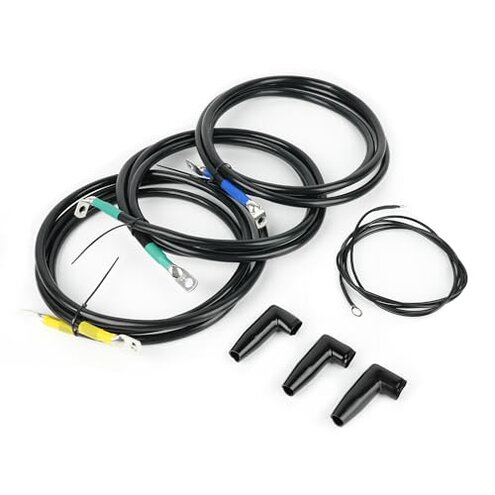
Product evaluated: 78" Truck Winch Box Relocation Control Pack Wiring Kit 106011 for Warn Zeon VR EVO Series 8 8-S 10 10-S 12 12-S
Related Videos For You
12,000 lb ZXR Badland Winch Wiring Instructions
ULTRA-EASY IN-CAB WINCH CONTROLS! The perfect winch upgrade for any 4WD
Data basis: This report uses dozens of buyer feedback points gathered from written comments and photo or video-backed impressions collected from recent listing periods. Most usable detail came from written installation feedback, with supporting evidence from visual setup demonstrations and update notes after real vehicle use.
| Buyer outcome | This kit | Typical mid-range alternative |
| Install effort | Higher risk of extra routing and fit-check steps before final mounting | Moderate effort with fewer surprise adjustments |
| Compatibility confidence | Lower confidence because fit depends heavily on exact winch setup | Better odds of matching listed applications cleanly |
| Hidden requirements | More likely to need extra planning for placement, cable path, and access | Less likely to require rework beyond normal install checks |
| Water and grime benefit | Useful if relocation is your main goal and your layout supports it | Similar benefit when the kit fits as expected |
| Regret trigger | Buying for “easy” fit and then losing time on setup details | Usually buying the wrong length or wrong application |
Why does a “fits Warn” kit still turn into an install hassle?
This is the primary regret point. The frustration usually appears during setup, when buyers expect a direct relocation job but instead have to stop and re-check routing, terminal direction, and mounting position.
The pattern appears repeatedly in fit-sensitive parts like this, and it feels more disruptive than expected for the category because a mid-range relocation kit is usually judged on how few surprises it creates.
- Early sign: You start dry-fitting the cables and realize the clean path you expected is not as straightforward under the hood.
- Frequency tier: This looks like a primary issue, not universal, but recurring enough to matter for first-time installers.
- When it hits: It shows up before final tightening, especially when trying to keep the controller plug accessible and the wiring neatly routed.
- Why worse here: In this category, some routing adjustment is normal, but extra rework feels worse when the product is sold as a model-specific solution.
- Impact: The main cost is time loss and second-guessing, not just physical labor.
- Common attempt: Buyers usually try different control-pack locations first, which adds more test-fitting than expected.
- Fixability: It can be workable if you are patient and comfortable improvising, but that does not erase the frustration.
Do you need more vehicle-specific planning than the listing suggests?
Yes, that hidden requirement is a secondary issue and often catches people who expected a quick weekend install. The trouble shows up after opening the box, once the real under-hood space and cable path have to match your truck.
This pattern is persistent rather than constant. It feels worse than a reasonable category baseline because the extra planning happens before you get any benefit from the relocation.
Illustrative excerpt: “I thought this was plug-and-go, but placement took most of the job.”
Pattern note: This reflects a primary setup-friction pattern.
Illustrative excerpt: “Works, but only after figuring out a better route myself.”
Pattern note: This reflects a secondary planning burden.
What if the length and layout are technically usable, but still awkward?
This is less frequent than pure fit frustration, but more annoying when it happens because it can leave the install functional without feeling clean. Buyers usually notice it during cable routing, especially when aiming for a tidy engine-bay result.
- Scope: This is a secondary issue seen across multiple forms of buyer feedback, not just one-off complaints.
- Usage moment: It shows up when you try to avoid sharp bends, clutter, or a controller location that is harder to reach.
- Buyer-visible result: The setup may work, but access or wire management feels less convenient than expected.
- Why it stings: A typical mid-range alternative is expected to be more forgiving about exact mounting position.
- Trade-off: You gain better protection from mud and splash, but may accept a less elegant routing path.
- Attempted fix: Buyers often reposition the control box several times to balance access and cable slack.
- Longer-term effect: Even after a successful install, the annoyance lingers if you know the placement is only good enough.
Is this a bad pick if you are not already comfortable wiring?
For beginners, yes, this can become an edge-case-to-secondary problem that feels bigger than it should. The issue appears on first install, when small uncertainties around matching connections and routing choices create hesitation.
The pattern is not universal, because experienced winch owners handle this better. It still exceeds normal category tolerance for novice buyers, since a model-targeted wiring kit usually implies less guesswork.
- Skill gap: The kit is less forgiving if you are relying fully on the listing to guide the whole job.
- Common stumble: Buyers can get slowed by terminal orientation and deciding which end should sit where during routing.
- Context: This gets worse in cramped engine bays or when working around other accessories.
- Primary impact: The install feels stressful instead of routine, even if the parts are usable.
- Category contrast: Compared with many mid-range vehicle wiring add-ons, this asks for more confidence than the title suggests.
- Mitigation: It is safer for buyers who already know their exact control-pack destination before ordering.
- Illustrative excerpt: “I could make it work, but it wasn’t beginner-friendly at all.”
Pattern note: This reflects a secondary skill-demand pattern. - Illustrative excerpt: “Fine for experienced hands, frustrating for anyone expecting a quick swap.”
Pattern note: This reflects an edge-case split by installer skill.
Who should avoid this
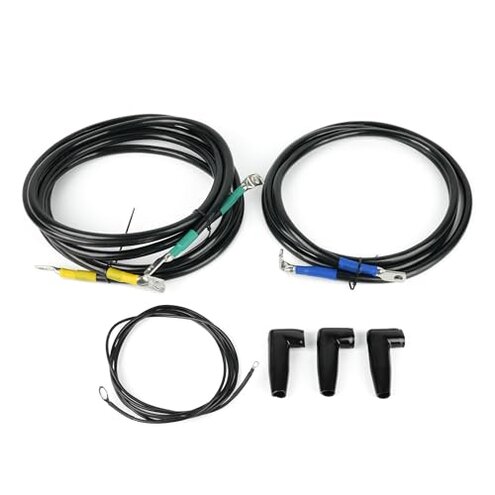
Avoid it if you want a truly simple, low-thought install. The main failure here is unexpected setup friction, which is higher than normal for a supposedly matched wiring kit.
Avoid it if you are new to winch wiring and do not want to troubleshoot routing choices. That hidden planning requirement can turn a small upgrade into a longer project.
Avoid it if your engine bay is already crowded. The layout-sensitive nature of the kit makes awkward routing more likely under tight space conditions.
Avoid it if tidy appearance matters as much as pure function. A workable result may still feel compromised if the cable path is not clean.
Who this is actually good for
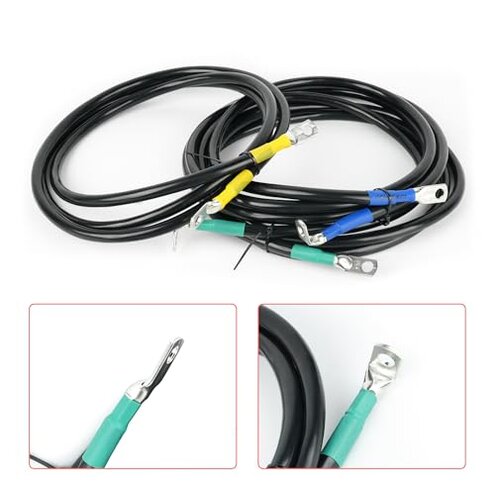
Good fit for buyers who already know exactly where they want the control pack mounted and have confirmed the route in advance.
Good fit for experienced installers who can tolerate extra planning in exchange for moving vulnerable connections away from water, mud, and road grime.
Good fit if your main goal is under-hood accessibility and you accept that the install may take more test-fitting than expected.
Good fit for shoppers replacing a similar relocation setup, because they are more likely to absorb the compatibility and routing quirks.
Expectation vs reality
- Expectation: A model-listed kit should install with only normal routing checks.
- Reality: Setup friction can be worse than expected, especially if your truck layout differs from the ideal example.
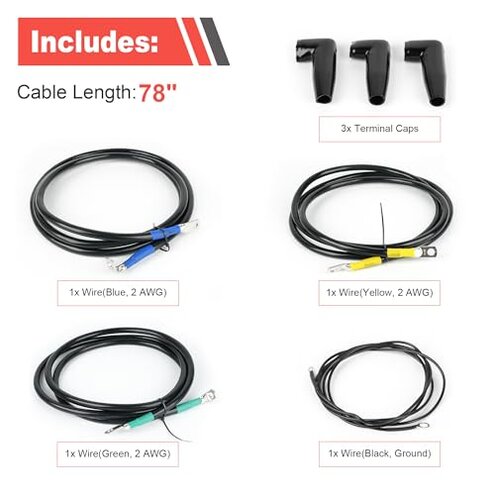
- Expectation: A 78-inch relocation kit should automatically solve placement flexibility.
- Reality: Length alone does not guarantee a clean or easy route in real engine bays.
- Expectation: It is reasonable for this category to need some planning.
- Reality: This kit can demand more planning than a typical mid-range alternative, which is where buyer regret starts.
- Expectation: Once relocated, access should feel clearly better.
- Reality: The final result may be functionally better while still looking or feeling awkward to use.
Safer alternatives
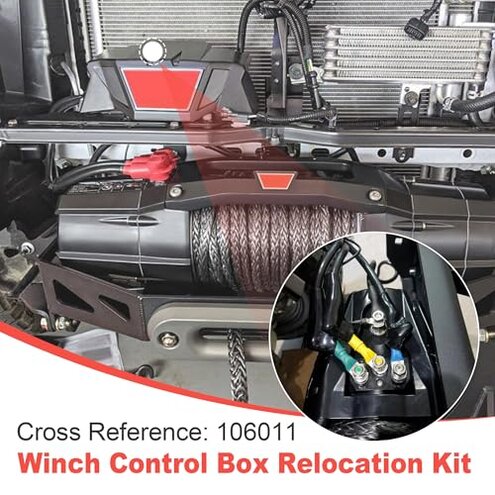
- Choose a kit with clearer vehicle-fit guidance if your biggest concern is avoiding install surprises.
- Look for alternatives that include stronger routing or mounting direction if you are a first-time installer.
- Prefer a more forgiving same-category option if your engine bay is crowded and cable path flexibility matters more than exact brand matching.
- Measure first and map the under-hood location before buying any relocation kit. That directly reduces the hidden-planning failure seen here.
- Buy from a listing with detailed install visuals if clean placement and controller access matter to you more than just basic function.
The bottom line
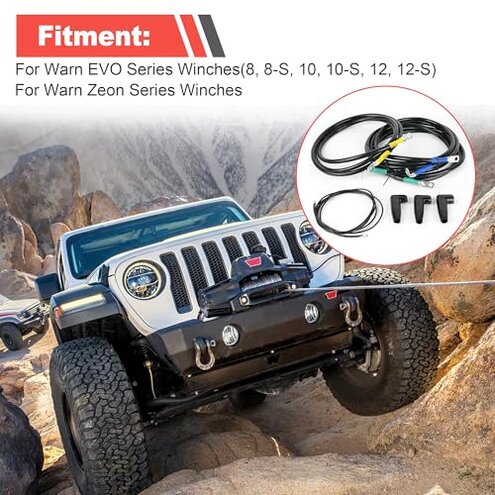
The main regret trigger is not that the kit cannot work. It is that the install can demand more routing judgment and vehicle-specific planning than many buyers expect.
That risk sits above normal for this category because the product presents itself like a straightforward fit solution. If you want low-friction installation, this is easier to skip unless you already know your exact setup.
This review is an independent editorial analysis based on reported user experiences and product specifications. NegReview.com does not sell products.