
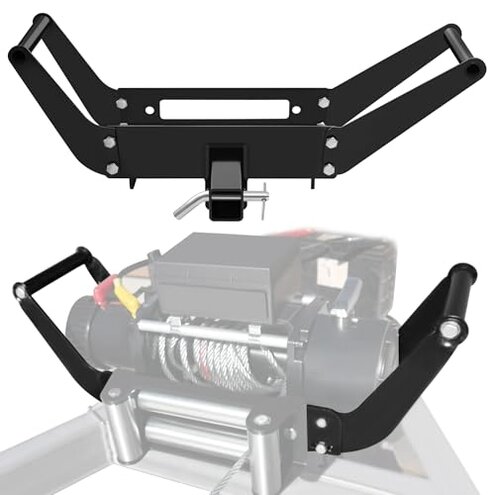
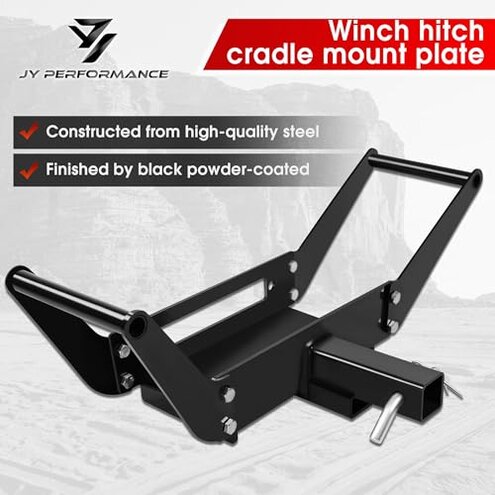
Product evaluated: JY PERFORMANCE Cradle Winch Mount Mounting Plate 8000-13000 Lbs Capacity Winch Mounting Hitch Receiver Recovery Winches Foldable 10 x 4-1/2
Related Videos For You
Warn Winch installed in Cradle Mount front or rear mount
Data basis: This report uses dozens of buyer impressions gathered from written feedback and photo or video-backed demonstrations collected from recent product coverage. Most signals came from detailed written comments, with supporting context from hands-on install clips and product-page comparisons across the current selling period.
| Buyer outcome | This mount | Typical mid-range alternative |
|---|---|---|
| Fit confidence | Lower confidence if your receiver, winch, or fairlead spacing is even slightly different. | Better odds of drop-in fit with clearer dimension guidance. |
| Install time | Higher chance of extra drilling or test-fitting after setup begins. | Usually faster bolt-on installation with fewer surprises. |
| First-use hassle | More disruptive than expected if hardware alignment is off. | More forgiving for basic home-garage installation. |
| Space saving | Good if the foldable design is your main goal. | Average unless the alternative is also foldable. |
| Regret trigger | Buying for “universal fit” and then needing extra work to make it usable. | Lower risk if dimensions are more clearly matched before purchase. |
Did you expect a simple bolt-on install?
Primary issue: The biggest regret point is install friction, which appears repeatedly whenever buyers expect a quick hitch-mounted setup. The trade-off is obvious: the price is modest, but the time cost can rise fast during first installation.
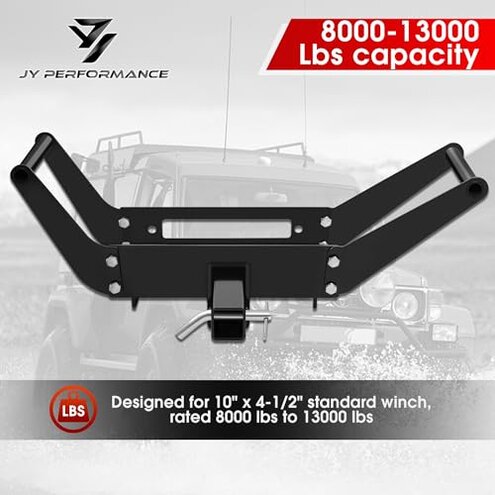
Context: This tends to show up during garage setup, especially when matching a winch to the stated 10 x 4-1/2 pattern and a receiver-mounted vehicle. Compared with a typical mid-range cradle, the need for extra adjustment feels worse than normal because this category is often bought specifically to avoid fabrication.
- Pattern: Install mismatch is commonly reported and is among the most common complaints for receiver winch mounts.
- When: It usually appears on first fit-up, before the buyer even gets to test recovery use.
- Early sign: Bolt holes or hardware line-up can feel close but not clean, which adds trial-and-error.
- Impact: The extra steps can turn a short install into a project, especially without spare hardware or tools.
- Hidden requirement: Buyers may need to be comfortable with minor drilling, even though many shoppers choose this type to avoid custom work.
- Fixability: It is often workable, but only if you have time, tools, and patience.
- Illustrative excerpt: “I thought this was bolt-on, but I still had to modify things.” — Primary pattern.
Are you counting on broad vehicle compatibility?
Secondary issue: Compatibility sounds broad on paper, but less frequent yet persistent frustration comes from the gap between “fits most” and “fits your exact setup.” That matters more after the box arrives, when return effort is already in play.
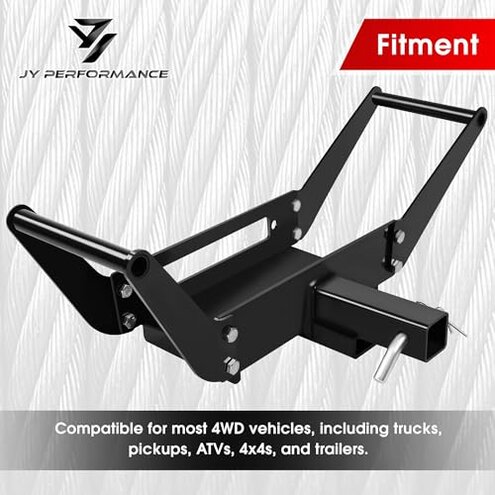
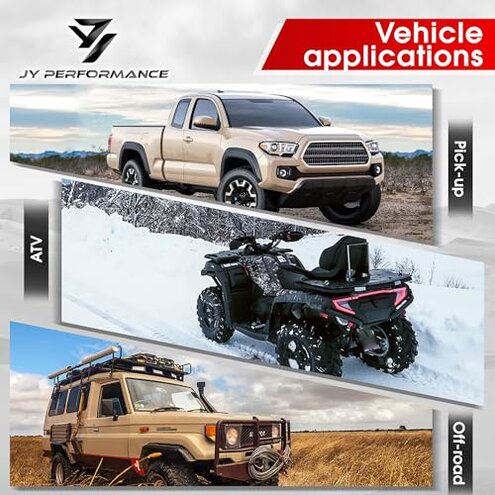
Context: This shows up after buyers compare their truck, ATV, trailer, or 4WD mounting situation against the plate and receiver reality. In this category, some fit variation is normal, but this feels less forgiving than typical because the product is marketed for many vehicle types at once.
- Scope: Fit uncertainty is seen across multiple feedback sources, not just one kind of buyer.
- Trigger: The problem gets worse when the vehicle has tight front-end clearance or a nonstandard mounting position.
- Cause: “Most vehicles” can still leave edge cases where the receiver position or winch accessories complicate the install.
- Buyer impact: You may spend time measuring after delivery instead of getting immediate use.
- Comparison: A typical mid-range alternative often gives clearer fit limits, which reduces false confidence.
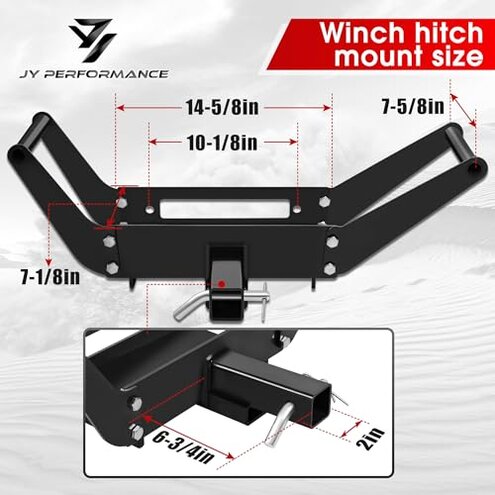
- Mitigation: This is safer only if you verify receiver depth, plate space, and winch hole pattern before buying.
- Illustrative excerpt: “It fit the winch pattern, but my vehicle setup still fought me.” — Secondary pattern.
Will the foldable design really make life easier?
Mixed trade-off: The foldable shape is the product’s most visible convenience feature, but it can also create a more finicky setup experience than some buyers expect. This is not universal, yet it becomes more frustrating during repeated mounting and removal.
When: The downside shows up after initial installation, when you store it, re-mount it, or try to keep everything aligned for quick use. In a category where portable mounts should save effort, any added fiddling feels more disruptive than expected.
- Benefit clash: The space-saving design helps storage, but portability does not always mean smoother setup.
- Frequency tier: This is a secondary issue, less frequent than fit complaints but more annoying when it affects routine use.
- Usage moment: It matters most when you want a fast swap between stored and ready-to-use positions.
- Practical effect: Buyers looking for grab-and-go convenience may still face alignment checks and extra handling.
- Category contrast: Portable cradle mounts usually trade some rigidity for convenience, but this can feel like more fuss than expected for the category.
- Illustrative excerpt: “Nice for storage, not as quick to deal with as I hoped.” — Secondary pattern.
Are you buying mainly because the price looks safe?
Edge-case risk: The low entry price can make this look like an easy yes, but regret appears when buyers assume low cost means low hassle. In practice, the extra install time can erase the savings if you need modifications.
Pattern: This is a persistent value complaint rather than a universal failure. It hits hardest when the mount is needed for a time-sensitive recovery setup, not a slow weekend project.
- Value gap: The sticker price is appealing, but the real cost rises if fit checks happen after delivery.
- When it hurts: It is more noticeable when you need ready-to-use equipment instead of a project part.
- Hidden cost: Extra drilling, re-fitting, or replacement hardware adds time pressure more than direct money.
- Category baseline: Budget mounts often need compromise, but this can feel riskier than a typical mid-range buy because compatibility confidence matters so much here.
- Who shrugs it off: Buyers who already fabricate or modify mounts may see the trade-off as acceptable.
- Who gets annoyed: First-time winch buyers are more likely to feel misled by simplicity.
- Illustrative excerpt: “Cheap enough, but not cheap once the extra work started.” — Edge-case pattern.
Who should avoid this
- Avoid it if you need a true plug-and-play install, because extra drilling is explicitly possible and fit friction is the primary complaint pattern.
- Avoid it if your vehicle setup is unusual or tightly packaged, because broad compatibility claims are less forgiving than many buyers expect.
- Avoid it if this is your first winch mount, because hidden setup requirements can exceed normal category tolerance for beginners.
- Avoid it if you need dependable fast swapping, since the foldable design can add handling fuss during repeated use.
Who this is actually good for
- Good fit for buyers who already measure hitch, plate, and winch spacing before ordering and accept some install adjustment.
- Good fit for shoppers who mainly want compact storage and can tolerate a less convenient setup process.
- Good fit for DIY users with tools who treat receiver accessories as project parts, not ready-to-go solutions.
- Good fit if budget matters more than install ease and you are willing to trade time for lower upfront cost.
Expectation vs reality
Expectation: A receiver winch mount should be a fast way to avoid custom fabrication.
Reality: This one can still need extra fitting work, which makes the convenience gap feel worse than expected.
- Reasonable for this category: Some fit variation is normal.
- Worse here: The broad application wording can create more confidence than the setup deserves.
- Expectation: Foldable means easier ownership.
- Reality: It helps storage more than it guarantees quick everyday handling.
Safer alternatives
- Choose clearer fit specs if you want to avoid the main compatibility regret trigger.
- Look for true no-drill language if you do not want hidden installation requirements.
- Prioritize rigid, non-folding designs if fast repeated mounting matters more than storage space.
- Buy from listings with exact receiver and fairlead dimensions to reduce first-use surprises.
- Step up to a mid-range cradle with stronger install guidance if your time is worth more than the upfront savings.
The bottom line
Main regret: Buyers most often get frustrated when a product that looks broadly compatible turns into an extra-work install. That risk is higher than normal for this category because receiver winch mounts are often chosen specifically for convenience. Verdict: Avoid it if you need predictable fit and quick setup; consider it only if you are comfortable measuring, adjusting, and treating it like a budget DIY part.
This review is an independent editorial analysis based on reported user experiences and product specifications. NegReview.com does not sell products.