
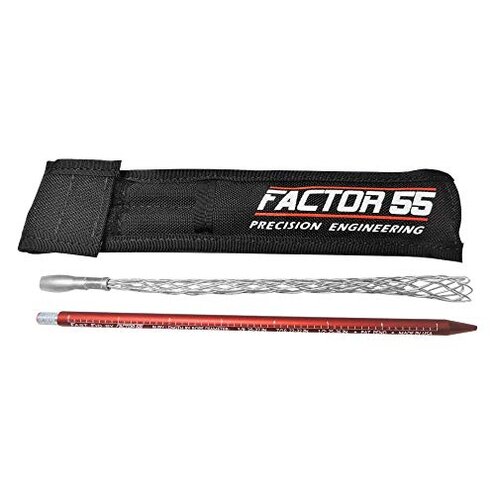
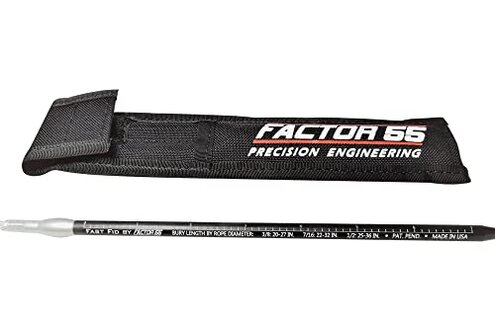
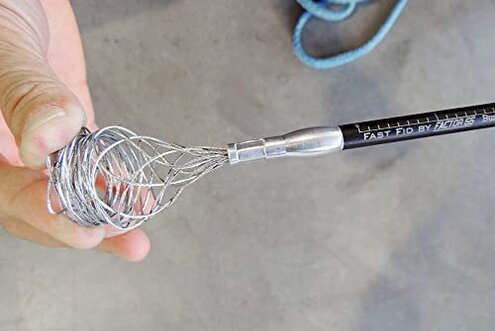
Product evaluated: Factor 55 Fast FID Rope Splicing Tool
Related Videos For You
How to Splice Winch lines & Why you should upgrade your Winch system.
Winch Rope Destruction Test: Synthetic vs Cable
Data basis: This report uses dozens of buyer comments gathered from written feedback and video-style demonstrations collected across recent years. Most signals came from written reviews, with added context from hands-on splicing walkthroughs that showed where setup friction and skill demands become noticeable.
| Buyer outcome | Factor 55 Fast FID | Typical mid-range alternative |
|---|---|---|
| First-use success | Less forgiving if you have not spliced rope before | Usually easier to understand with more obvious process cues |
| Trail repair speed | Fast once learned, but setup mistakes can erase the time savings | Slower, but often simpler for occasional users |
| Hidden requirement | Practice needed before a real recovery situation | Lower skill demand for basic field use |
| Error tolerance | Higher-than-normal risk of user frustration during first attempts | More forgiving for buyers who use it rarely |
| Regret trigger | Buying for emergencies and realizing it is not truly grab-and-go | Buying for convenience and getting a more predictable result |
Did you buy this for a quick trail fix, then realize it takes practice?
This is the primary issue that appears repeatedly in feedback. The regret moment usually happens on first use, when a buyer expects a simple emergency repair and finds a technique-sensitive process instead.
That trade-off feels worse than expected for this category because recovery tools are often bought for stressful situations. A typical mid-range option may be slower, but it is often more forgiving for occasional users.
- Pattern: This learning-curve complaint is recurring, even though it is not universal.
- Usage moment: It shows up most during first setup or the first rope splice attempt under time pressure.
- Buyer expectation: The “no extra tools” promise can sound like easy operation, but that does not remove the need for technique.
- Real impact: If you hesitate or restart steps, the advertised speed advantage can shrink fast.
- Hidden requirement: You may need practice rope or at-home trial runs before trusting it on the trail.
- Fixability: This is improvable with repetition, but that adds time before the product feels dependable.
Illustrative: “I thought emergency repair meant instant, not something I should rehearse first.” Primary pattern.
Is the price hard to justify if you only splice rope occasionally?
- Severity: This is a secondary issue, but it becomes more frustrating when the tool sits unused most of the time.
- When it hits: Regret tends to appear after purchase, once buyers compare actual use frequency with the asking price of $46.45.
- Why it stings: For occasional repairs, buyers commonly expect a specialized tool to save enough time to clearly earn its cost.
- Category contrast: That value gap feels stronger than with many mid-range alternatives because this tool is specialized and less forgiving for infrequent users.
- Who notices most: The complaint appears more often among buyers doing rare trail repairs rather than routine splicing.
- Mitigation: The value case improves if you already know the process or use synthetic winch rope regularly.
- Bottom effect: Less frequent than the learning curve, but more annoying when the tool becomes a one-job purchase.
Illustrative: “It works, but for my use, the cost felt bigger than the time saved.” Secondary pattern.
What if you need reliability under stress, not just in the garage?
This concern is less about the tool failing and more about the user-tool match failing at the worst moment. That makes it more disruptive than expected for this category.
The issue appears during recovery prep, when conditions are rushed, dirty, or distracting. A tool that works well after calm practice can still feel high-pressure in a real trail situation.
- Pattern: This is a persistent concern across hands-on feedback, though not every buyer reports it directly.
- Worsening condition: It gets harder during field repairs when you are tired, rushed, or working in poor conditions.
- Category baseline: Buyers reasonably expect emergency gear to be easy to recall without a refresher.
- Why worse here: This tool asks for more technique memory than many casual owners expect from a compact repair item.
- Visible consequence: Uncertainty can lead to slower repairs, second-guessing, or putting off the splice.
Illustrative: “Great on the bench, less comforting when I needed to remember the steps outside.” Primary pattern.
Are you expecting the tool itself to solve the whole splicing job?
- Core mismatch: This is an edge-case issue, but it still shows up when buyers confuse a dedicated tool with a complete easy-mode solution.
- When it appears: It usually shows up right after unboxing, when expectations are based on compact size and simple marketing language.
- Cause: A specialized tool can remove some steps, yet still require rope knowledge and steady technique.
- User-visible problem: Buyers may expect a near-automatic result and instead get manual process and trial-and-error.
- Why this feels worse: In this category, “fast” often gets read as “easy,” so disappointment lands harder when those are not the same.
- Attempted workaround: Buyers often try repeating the process more carefully, but that still demands extra time.
- Fixability: This can be solved with training, but that undercuts the appeal for buyers wanting simplicity first.
Illustrative: “I needed a helper tool, not a new skill to learn.” Edge-case pattern.
Who should avoid this
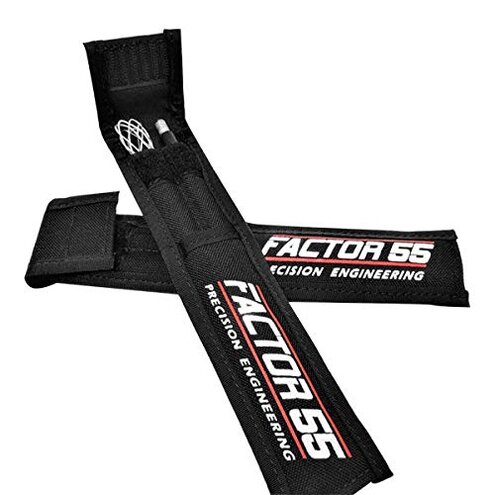
- Avoid it if you want a true grab-and-go emergency tool with little or no practice.
- Avoid it if you only repair winch rope occasionally and need easy value from the first use.
- Avoid it if you get frustrated by tools that are technique-sensitive during stressful outdoor jobs.
- Avoid it if you expect “fast” to mean self-explanatory rather than fast after learning.
Who this is actually good for
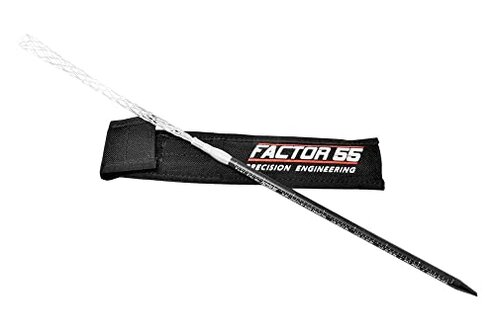
- Good fit for buyers who already know rope splicing and mainly want a compact dedicated tool.
- Good fit for people willing to do practice runs before relying on it in the field.
- Good fit for frequent off-road or recovery users who can spread the $46.45 cost over repeated use.
- Good fit if you accept the learning curve because compact size and no extra tape are the main priority.
Expectation vs reality
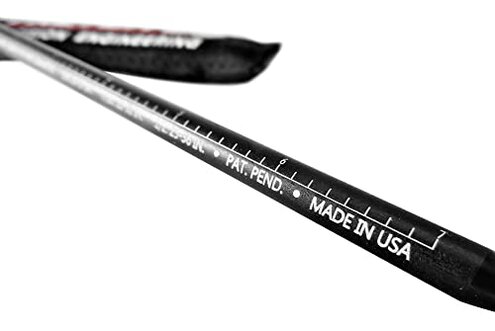
Expectation: A compact rope splicing tool should make emergency fixes feel simple.
Reality: The repeated friction point is that it can be fast after practice, not automatically easy on day one.
Reasonable for this category: Buyers often expect some technique, but not a level that needs rehearsal before real use.
Worse-than-expected reality: Here, the hidden need for practice feels higher than normal for a trail-ready repair tool.
Expectation: Paying more for a specialized tool should give instant confidence.
Reality: If you use it rarely, the confidence may arrive later than expected, after repeated attempts.
Safer alternatives
- Choose simpler if you splice rarely, and favor tools or kits with a more forgiving process over maximum speed claims.
- Look for guidance such as clearer included instructions or well-known step-by-step support to reduce the first-use risk.
- Match your frequency by paying specialized-tool prices only if you do repeated repairs, not one-off emergencies.
- Practice first with any technique-sensitive rope tool before trail use, which directly lowers the stress-use frustration noted above.
The bottom line
Main regret trigger: Buyers often expect a quick emergency rope fix and instead meet a practice-dependent tool. That pushes its risk above a typical mid-range alternative for occasional users because the inconvenience shows up exactly when speed and confidence matter most.
Verdict: If you are not already comfortable with rope splicing or willing to rehearse before real use, this is a product many shoppers should skip.
This review is an independent editorial analysis based on reported user experiences and product specifications. NegReview.com does not sell products.