
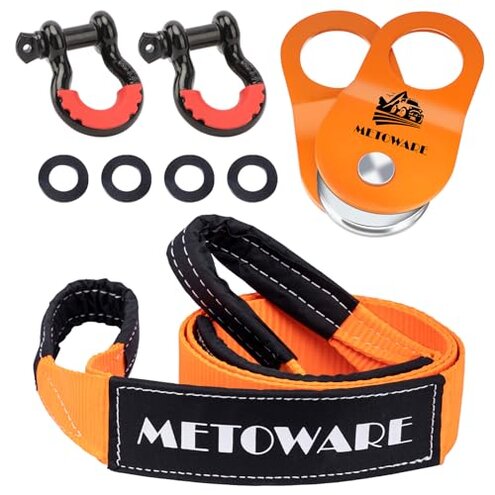
Product evaluated: METOWARE Offroad Recovery Kit - 10 Ton Heavy Duty Winch Snatch Block Pulley, 3" x8' Tree Saver Strap and 2pk 3/4" D Ring Shackles
Related Videos For You
STOP! You Don’t Need ALL This Recovery Gear!
Why Snatch Blocks are AWESOME (How Pulleys Work) - Smarter Every Day 228
Data basis: This report combines dozens of buyer comments collected from written feedback and video-style demonstrations during a recent multi-month window. Most feedback came from written reviews, with added context from hands-on use clips and photo-backed posts, which helps separate first-impression complaints from problems that show up during actual recovery setup.
| Buyer outcome | METOWARE kit | Typical mid-range alternative |
| First-use confidence | Lower; compatibility doubts appear early when buyers match rope, shackle, and pulley sizes. | More predictable; sizing guidance is usually clearer. |
| Setup friction | Higher; hidden fit checks add extra steps before recovery use. | Moderate; still requires checking, but less often feels confusing. |
| Heavy-load trust | More fragile feeling; a secondary concern is whether all parts inspire equal confidence together. | More even; parts tend to feel matched for the intended job. |
| Category risk | Higher than normal; combo-kit convenience can hide size and use limitations. | Normal; trade-offs are clearer before purchase. |
| Regret trigger | Best price turns into extra verification, replacement, or backup buying. | Fewer surprises after unboxing. |
Why does a ready-made kit still feel annoying to match up?
Primary issue: the regret moment usually happens during setup, not after months of use. Buyers pick a kit to avoid piecing parts together, so hidden sizing checks feel more disruptive than expected for this category.
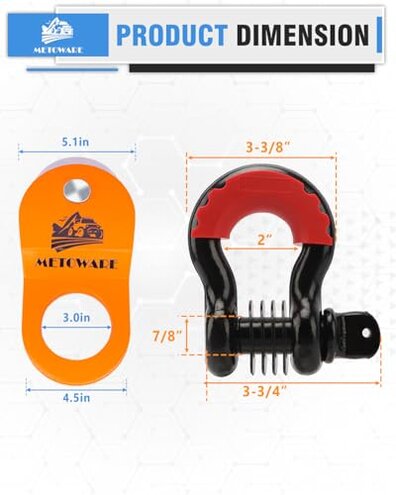
Recurring pattern: fit uncertainty appears repeatedly when people compare the pulley, rope choice, and shackle size before a real pull. A typical mid-range kit still needs caution, but it usually feels less like you need to verify every part yourself.
- Early sign: confusion starts as soon as buyers try to confirm whether their cable or synthetic line will run smoothly with the included block.
- Frequency tier: this is the primary complaint, showing up more often than finish or packaging concerns.
- Usage moment: it worsens before first recovery use, especially when the buyer is trying to set up quickly in the field.
- Buyer impact: the kit saves less time than expected because people do extra checking, comparison shopping, or keep backup hardware nearby.
- Hidden requirement: buyers may need more size knowledge than the listing suggests, which undercuts the “kit” convenience.
- Fixability: partly fixable if you already understand winch line sizing, but much less forgiving for occasional users.
Does the kit feel less confidence-inspiring than the load claims suggest?
- Secondary issue: a persistent complaint is not outright failure in every case, but a trust gap between the stated capacities and how reassuring the parts feel in hand.
- When it appears: this tends to show up on inspection or during light test fitting, before buyers commit to a real recovery scenario.
- Why it stings: in this category, buyers expect conservative overkill, so anything that feels only “probably fine” is more frustrating than with ordinary accessories.
- Scope signal: this concern appears across multiple feedback types, not just one-off complaints from a single usage style.
- Real-world effect: some buyers end up reserving it for lighter-duty peace of mind, which reduces the value of paying for a recovery kit.
- Comparison point: mid-range alternatives often cost more, but they usually feel more confidence-building right out of the box.
- Mitigation: this is less of a problem if you already own trusted recovery gear and only want this kit as a spare.
Illustrative: “I bought a kit so I would not have to second-guess every piece.”
Pattern: This reflects a primary complaint about hidden setup verification.
Illustrative: “The numbers sound strong, but I still wanted something more reassuring.”
Pattern: This reflects a secondary complaint about confidence under load.
Is the value weaker if you only trust part of the bundle?
Persistent trade-off: bundle pricing looks attractive at checkout, but regret shows up when buyers feel only some pieces fit their needs. That makes the savings less useful than a mid-range alternative with fewer question marks.
Not universal: some buyers are satisfied, but the complaint keeps returning in a familiar way. If one part becomes a backup-only item, the kit stops feeling like a true ready-to-use package.
- Cost effect: the real expense becomes extra replacements or separate upgrades, not just the listed $56.99 price.
- Usage context: this is most noticeable after the unboxing phase, when buyers mentally assign which parts they would actually trust on a trail.
- Relative severity: it is less frequent than setup confusion, but more frustrating when it happens because it undercuts the whole point of buying a combo set.
- Time impact: it adds more re-shopping time than buying individual pieces correctly the first time.
- Category contrast: some compromise is normal in bundled kits, but this feels worse when confidence drops across the most safety-sensitive use case.
Illustrative: “I kept the kit, but I would replace parts before a serious recovery.”
Pattern: This reflects a secondary value complaint tied to partial trust.
Could this be a bad pick for occasional off-road users?
- Edge-case issue: buyers with limited recovery experience can find the kit less beginner-friendly than expected.
- When it shows: the friction appears during first-time assembly, line routing, and deciding whether each included piece matches the vehicle setup.
- Why it feels worse: a reasonable category expectation is that a prebuilt kit reduces decision-making, but this one can still demand background knowledge.
- Repeated pattern: less experienced users mention uncertainty more often than seasoned users who already know what to inspect.
- Practical effect: hesitation during recovery prep is a real downside because it slows down a task that buyers want to make simpler.
- Workaround: the kit is easier to live with if you practice at home first rather than learning during a real stuck-vehicle situation.
- Hidden burden: some buyers may need to watch setup guidance videos or compare specs with existing gear before they feel comfortable.
Illustrative: “This seems better for someone who already knows recovery gear sizes.”
Pattern: This reflects an edge-case issue for newer users.
Who should avoid this
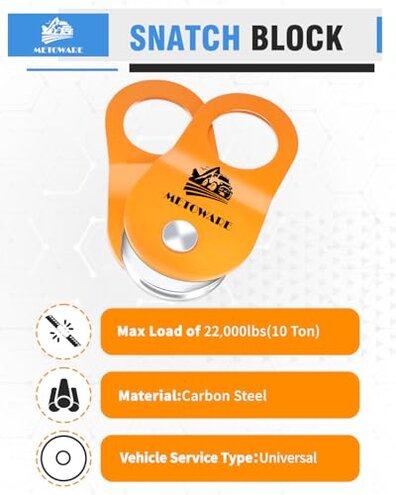
- Avoid it if you want a truly grab-and-go recovery kit with minimal fit checking.
- Avoid it if you are new to off-road recovery and do not want hidden setup homework.
- Avoid it if heavy-load confidence matters more than bundle price.
- Avoid it if you dislike replacing parts from a combo purchase to feel fully comfortable.
Who this is actually good for
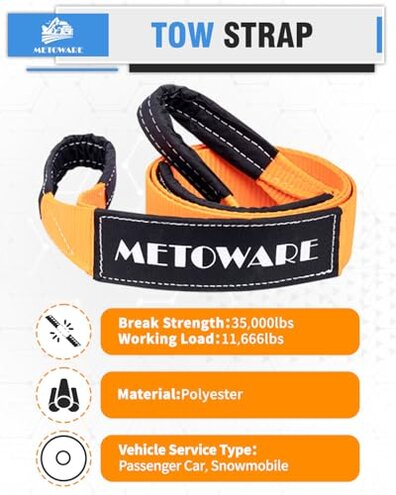
- Good fit for buyers who already understand snatch block and line sizing, and can verify compatibility themselves.
- Good fit for people who want a spare kit, not their primary recovery setup.
- Good fit for shoppers who accept some setup friction in exchange for a lower upfront bundle price.
- Good fit for experienced users willing to upgrade one piece later if needed.
Expectation vs reality
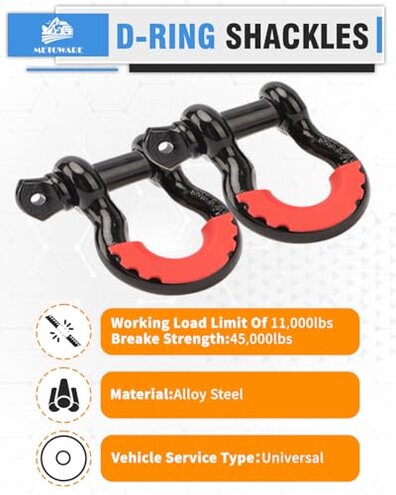
Expectation: a bundled recovery kit should reduce guesswork.
Reality: this one can add extra verification before first use.
Expectation: load claims should translate into immediate peace of mind.
Reality: a persistent buyer concern is that confidence may feel lower than the specs imply.
Reasonable for this category: some setup caution is normal.
Worse here: the convenience trade-off appears less forgiving than many mid-range alternatives.
Safer alternatives
- Choose kits with clearer rope and cable compatibility guidance to avoid the primary fit-check problem.
- Prioritize sets with stronger buyer feedback on first-use confidence, not just headline capacity claims.
- Buy separate pieces if you want each recovery component matched to your existing line and vehicle setup.
- Look for beginner-oriented kits with simpler instructions if you do not already know recovery hardware sizing.
The bottom line
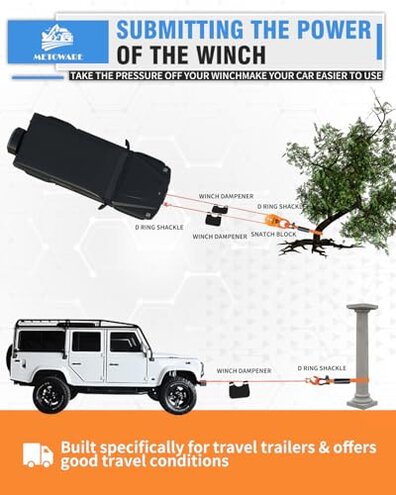
Main regret is that the kit convenience can break down into compatibility checking and partial trust. That exceeds normal category risk because recovery gear is supposed to reduce uncertainty, not add more of it.
Verdict: skip this if you want beginner-friendly confidence or a one-box solution you can trust right away. It makes more sense only as a lower-cost spare for buyers who already know how to verify every part.
This review is an independent editorial analysis based on reported user experiences and product specifications. NegReview.com does not sell products.