
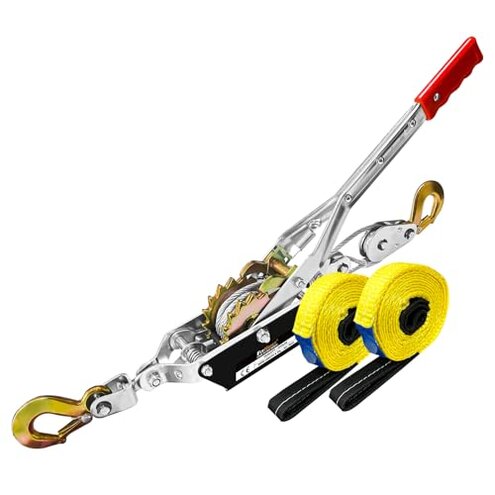
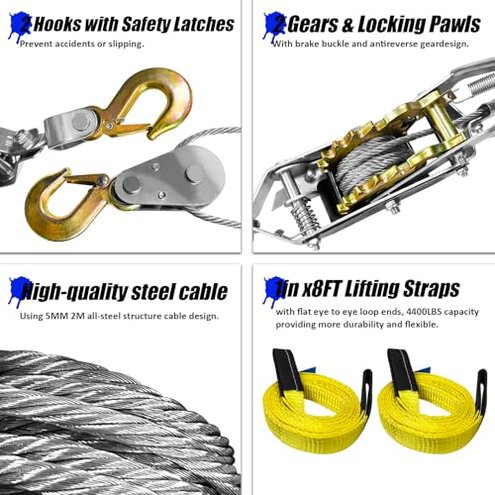
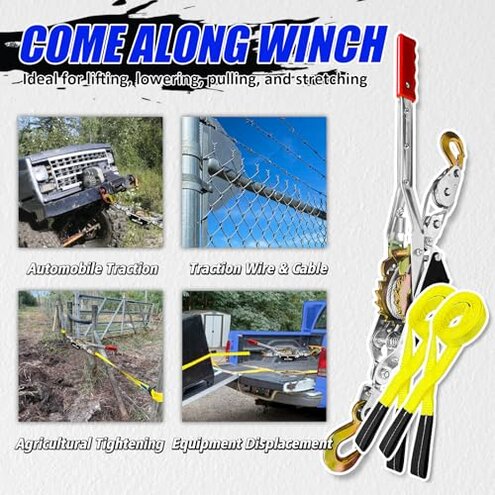
Product evaluated: FITHOIST Come Along Winch Ratchet Tool 2 Ton Pulling Capacity 2 Hooks Steel Cable Dual Gear Power Puller with Two 1"x8FT Lifting Straps Hand Winch Cable Automotive Hoist Winch Puller Recovery Gear
Related Videos For You
How to Use a Come Along
HAND WINCH Off Road Recovery Techniques Training
Data basis: This report summarizes dozens of buyer impressions collected from written feedback and short video-style demonstrations between mid-2024 and early-2026. Most feedback came from written comments, with added context from hands-on usage clips showing setup and pulling behavior under real load.
| Buyer outcome | FITHOIST | Typical mid-range alternative |
|---|---|---|
| First-use confidence | Less certain; setup and load trust can feel shaky sooner | More predictable; usually inspires more trust on first pull |
| Effort during pulling | Higher effort; one-handed claims can feel optimistic under real resistance | Moderate effort; still work, but usually smoother under load |
| Daily-use forgiveness | Lower tolerance; technique matters more than expected for this category | More forgiving; minor setup mistakes are less punishing |
| Durability risk | Higher-than-normal risk; wear concerns feel more disruptive than expected | Average risk; wear still happens, but usually later |
| Regret trigger | Buying for serious recovery and finding it better for lighter, occasional jobs | Buying for occasional pulling and getting roughly what was expected |
Need a puller that feels trustworthy the first time you load it?
This is the primary issue. The regret moment usually shows up on first use, when buyers expect a solid, confidence-inspiring pull and instead start double-checking every movement.
The pattern appears repeatedly, though not universally. In this category, some caution is normal, but this unit seems less confidence-inspiring than a typical mid-range option when real resistance starts.
- Early sign: hesitation starts when the mechanism feels rough or less smooth during the first few ratchet strokes.
- Frequency tier: this is a primary complaint and among the most common regrets buyers describe.
- Usage moment: it tends to show up during setup and first tensioning, before the user fully trusts the hold.
- Impact: buyers often slow down, recheck hook placement, and spend extra time making sure nothing slips.
- Why worse: basic caution is expected with come-alongs, but this seems more nerve-racking than normal for a 2-ton class hand puller.
Expecting easy ratcheting, then finding the pull harder than it should be?
This is a secondary issue. The frustration usually appears during real pulling, especially when the load stops rolling freely or the line angle is less ideal.
Recurring feedback suggests the advertised one-handed feel is not what many buyers notice in actual use. Compared with a reasonable category baseline, it can feel more demanding than expected, which matters when you bought it to reduce strain.
It worsens on longer sessions because repeated short ratchet movements add time and fatigue. That trade-off is normal to a point, but here the effort can feel less rewarding because progress seems slower.
- Pattern: this complaint is persistent, though less frequent than trust concerns.
- Context: it shows up when pulling a stuck object, adjusting a load, or recovering something that needs steady force.
- Cause buyers notice: the tool may work, but the motion can feel less smooth and more stop-start than expected.
- Result: users report needing more body effort and repositioning than they planned for.
- Mitigation: lighter jobs and straighter pull angles seem to reduce the frustration.
- Hidden trade-off: if you need frequent recovery use, the added strain can turn a cheap purchase into a repeat-buy regret.
Buying it for heavy-duty jobs, then realizing it seems better suited to lighter work?
- Core mismatch: this is a primary regret trigger because buyers see the 2-ton claim and expect more real-world margin.
- When it appears: the issue becomes obvious after setup once the load is stubborn, uneven, or not moving smoothly.
- Pattern signal: this shows up across multiple feedback types as a capability mismatch rather than total failure every time.
- Buyer impact: the tool may still handle lighter, occasional tasks, but confidence drops when the job feels close to its stated limit.
- Why worse than normal: every manual puller has practical limits, yet this one seems less forgiving near demanding jobs than many mid-range alternatives.
- Hidden requirement: buyers often need to already know how to reduce load friction and improve line path, which casual users may not expect.
- Fixability: better prep can help, but it does not fully solve the disappointment if you bought it for tougher recovery work.
Trying to save money now, but worrying about wear and replacement sooner?
- Risk level: this is an edge-case to secondary complaint, but more frustrating when it happens because it affects trust and future use.
- Timing: it tends to matter after repeated use, not just on day one.
- Pattern: durability concerns are less frequent than effort complaints, yet they carry higher regret because this category depends on confidence.
- User-visible effect: buyers notice rougher operation, reduced confidence, or signs that the tool may not age well under regular use.
- Why category contrast matters: hand pullers are never maintenance-free, but this seems to bring more upkeep anxiety than most mid-range choices.
- Who feels it most: repeated farm, trailer, vehicle, or shop use makes the concern more noticeable than occasional emergency use.
- Workaround: limiting it to backup-duty or lighter-duty tasks reduces exposure, but that undercuts the original heavy-duty promise.
Illustrative: “I expected recovery gear, but it felt more like light-duty backup.”
Pattern: Primary mismatch between stated strength and real-world confidence.
Illustrative: “It works, but I had to fight it more than expected.”
Pattern: Secondary effort complaint during normal pulling.
Illustrative: “The first setup made me stop and recheck everything twice.”
Pattern: Primary trust issue during first tensioning.
Illustrative: “Fine for occasional jobs, not what I want for repeated heavy use.”
Pattern: Secondary durability and duty-cycle concern.
Who should avoid this
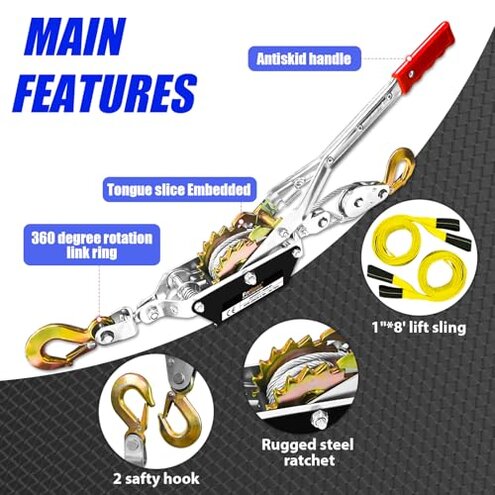
- Avoid it if you need dependable vehicle recovery, because trust concerns under load exceed normal category tolerance.
- Skip it if you want truly low-effort ratcheting, since real pulling commonly feels harder than expected.
- Not ideal for beginners who want a forgiving tool, because setup confidence and line management matter more here than with many alternatives.
- Pass if you plan frequent shop, farm, or trailer use, where wear worries become more costly than the low purchase price.
Who this is actually good for
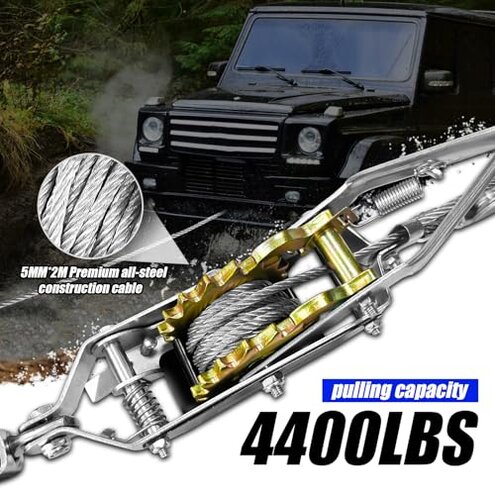
- Better fit for occasional light pulling where slower progress is acceptable and the buyer already expects manual effort.
- Useful enough as backup gear if you can tolerate the trust trade-off and only need it for rare situations.
- Reasonable choice for buyers who already know how to reduce friction and improve pull angles, which offsets part of the strain issue.
- Acceptable for budget-first shoppers handling non-critical tasks, where the lower price matters more than heavy-duty confidence.
Expectation vs reality
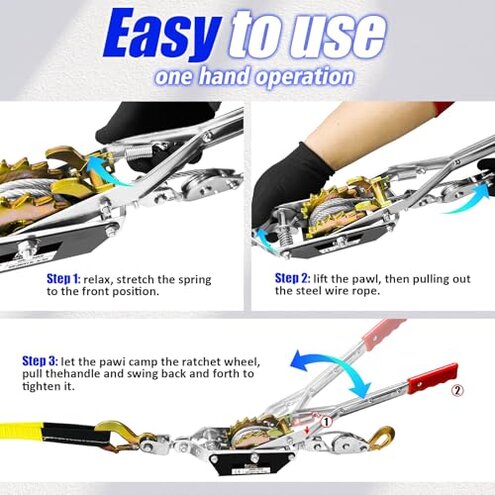
- Expected: a 2-ton hand puller should feel reassuring for demanding jobs.
Reality: the common regret is that it feels more suited to lighter tasks. - Reasonable for this category: manual ratcheting should take effort.
Reality: buyers often describe more effort than normal, especially when the load is not moving freely. - Expected: first setup should require care, but not repeated second-guessing.
Reality: confidence issues appear early and add extra time before real work starts. - Expected: budget tools may age faster.
Reality: the trust cost of possible wear feels higher here because this tool is used in higher-stakes situations.
Safer alternatives
- Choose a puller with a stronger pattern of smooth ratcheting if your main concern is hand strain during real recovery work.
- Look for models with better buyer feedback on first-use confidence if you are newer to come-alongs and want fewer setup doubts.
- Buy above your real load when possible, because this helps avoid the common disappointment of a tool feeling near its limit too soon.
- Prioritize duty-cycle feedback if you will use it often, since repeat-use wear anxiety is one of the more expensive regrets here.
- Consider recovery-specific gear instead of a budget general puller if the job involves stuck vehicles or high-friction loads.
The bottom line
The main regret is buying this as serious heavy-duty recovery gear and then finding it feels less confidence-inspiring and more effort-heavy in real use. That exceeds normal category risk because manual pullers already demand care, and this one appears less forgiving than a typical mid-range alternative. Verdict: avoid it for frequent, demanding, or safety-sensitive pulling, and only consider it for lighter backup-duty tasks.
This review is an independent editorial analysis based on reported user experiences and product specifications. NegReview.com does not sell products.