
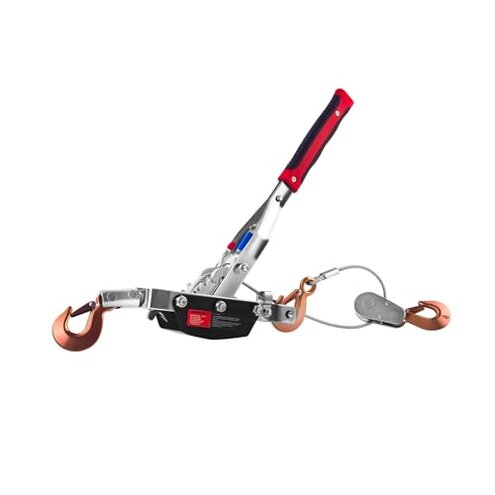
Product evaluated: JOYANALL Portable Power Puller,5 Ton Capacity Come Along Winch with 11.5FT Steel Cable,Heavy Duty Come Along Tool with Dual Gears,3 Hooks,Hand Winch Tool
Related Videos For You
How to Use a Come Along
$1200 Electric Winch vs. $80 Manual Come-Along
Data basis: This report aggregates dozens of shopper submissions collected from written ratings and photo/video attachments over a recent 12-month window ending this month. Most feedback came from short written notes about real use, supported by fewer but helpful photo/video demonstrations showing setup and pulling behavior.
| Buyer outcome | JOYANALL 5T come-along | Typical mid-range alternative |
|---|---|---|
| First-use confidence | Higher friction from fiddly engagement and learning curve. | Smoother start with clearer latch/ratchet feel. |
| Load handling feel | More uneven pull feedback and “jumpy” tension changes. | More predictable tension build for similar jobs. |
| Release control | Higher-than-normal risk of awkward release timing. | Less touchy release behavior in routine use. |
| Hardware completeness | More variability in what arrives and how it fits together. | More consistent packaging and fitment. |
| Regret trigger | Control loss during tensioning or release when you least want surprises. | Fatigue from effort, not sudden behavior changes. |
Why does the ratchet feel unpredictable under tension?
Regret tends to hit when you’re already committed to a pull and the mechanism feels less consistent than expected. That “is it seated?” doubt is more disruptive here because this tool is marketed for heavy pulls.
Pattern wise, this appears repeatedly in real-use notes, but it is not universal. It shows up during first use and again after repeated cycles when users expect a stable, repeatable stroke.
Category contrast: Some ratchet play is normal with come-alongs, but mid-range units usually give clearer engagement feedback. The frustration feels worse when you must stop, reset, and re-check under load.
- Early sign: Engagement feels “half-caught” when you start tensioning.
- Primary pattern: The issue appears commonly reported during the first few pulls.
- Worsens when: Longer sessions with many strokes increase “did it slip?” moments.
- Impact: You lose time because you pause to re-seat and verify before continuing.
- Workaround: Some buyers report better results after slow, deliberate strokes and frequent checks.
- Fixability: If the feel stays inconsistent after careful setup, replacement is the practical path.
Will the release be smooth, or does it fight you?
- Regret moment: The worst surprise is needing to unload tension and the release feels touchy.
- Recurring: This is a secondary issue that still shows up persistently across feedback.
- When it hits: It appears after setup, when you try to back off tension in small steps.
- Worsens when: Higher tension pulls make the timing and hand control feel less forgiving.
- Category contrast: Come-alongs often need respect, but mid-range options tend to release more predictably.
- Hidden requirement: You may need extra space and a stable stance to manage the handle safely.
- Mitigation: Planning a controlled “landing zone” for the load reduces the penalty of a finicky release.
Is the advertised 5-ton feel realistic in real chores?
- Expectation gap: Some buyers report the tool feels strained earlier than the headline suggests.
- Pattern: This is a primary complaint in heavier recovery or stubborn pull scenarios.
- When it hits: It shows up during real pulls like stuck objects or vehicle-related tugging.
- Worsens when: Off-angle pulls and longer, continuous tensioning make performance feel less confident.
- User-visible: The handle effort climbs fast and progress slows more than expected.
- Category contrast: Many mid-range tools feel “honest” at typical tasks, even if not max-rated.
- Decision tip: If you truly need near-max capability, this variability becomes a big regret risk.
- Mitigation: Using double-line setups can help, but it adds steps and setup complexity.
Do the included hooks and connections inspire trust?
- Variation: Fit-and-finish consistency is a secondary pattern that appears repeatedly.
- When it hits: It’s noticed during unboxing and first rigging, before any real pulling.
- Worsens when: Frequent re-hooking and repositioning makes small annoyances more costly over time.
- Impact: Buyers report extra checking and slower setup because confidence is not immediate.
- Category contrast: Mid-range options often arrive with more consistent “ready to work” feel.
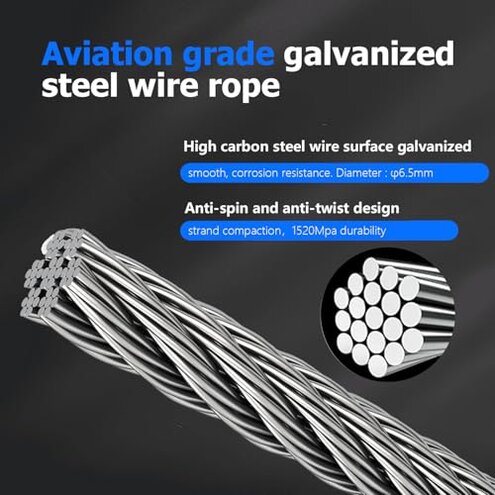
- Mitigation: Many users add a proper strap, shackle, or anchor gear to reduce dependence on the included ends.
- Fixability: Swapping attachment hardware can help, but it is an extra purchase and extra decisions.
Illustrative excerpt: “It pulls, but the ratchet feels weird when it gets tight.” Primary pattern tied to engagement consistency.
Illustrative excerpt: “I had to reset it a few times to keep it moving.” Primary pattern tied to interrupted workflow.
Illustrative excerpt: “The release isn’t smooth, so I’m extra cautious unloading.” Secondary pattern tied to control during back-off.
Illustrative excerpt: “For heavy stuff, it feels like it’s working hard fast.” Primary pattern tied to perceived capacity limits.
Illustrative excerpt: “The included hooks made me double-check everything.” Secondary pattern tied to trust and setup time.
Who should avoid this
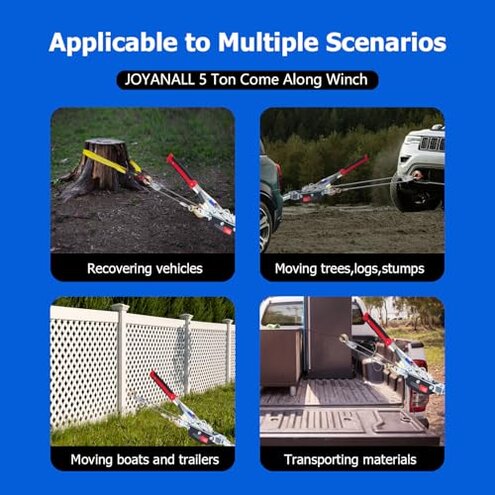
- Recovery users who need predictable control during tension and release, because the touchy behavior is more disruptive than typical.
- Solo operators working in cramped spots, because the tool can demand extra space and careful stance to manage release.
- Near-limit pullers who chose it for the 5-ton headline, because perceived strain is a commonly reported regret trigger.
- Time-sensitive jobs where stopping to re-check engagement costs real time, because resetting shows up repeatedly.
Who this is actually good for
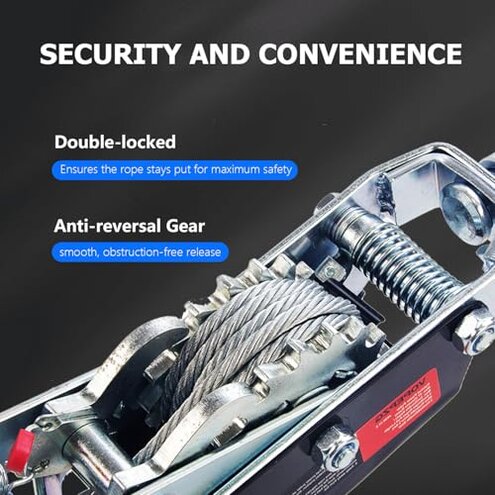
- Occasional users doing moderate pulls, who can tolerate extra checking for the lower price.
- DIY fence and light alignment tasks, where you can pause often and the workflow interruption is acceptable.
- Buyers with backup rigging like straps and shackles, who expect to replace attachments if needed.
- Patient tinkerers willing to learn the engagement feel, accepting the learning curve as part of ownership.
Expectation vs reality
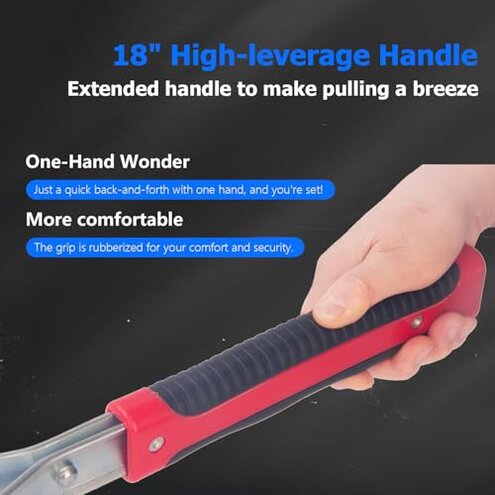
Expectation: A come-along should have a clear “click” engagement that feels stable under load.
Reality: Feedback shows recurring uncertainty during tightening, which adds checks and restarts.
- Reasonable: Release control is usually firm but manageable in this category.
- Worse here: Reports describe a more touchy back-off, which raises caution and slows unloading.
| Job | What you expect | What frustrates buyers |
|---|---|---|
| Short pulls | Quick setup and steady strokes | Extra steps to confirm engagement |
| Heavy tension | Confident progress | Early strain feel and slower movement |
Safer alternatives
- Choose clearer engagement: Look for models praised for a more positive ratchet feel to reduce the reset problem.
- Prioritize controlled release: Favor units described as easier to back off under tension to lower unload anxiety.
- Buy for real workload: If your jobs are frequent recovery pulls, pick a mid-range tool known for consistent heavy use, not just a big rating.
- Budget for rigging: Plan on proper straps and shackles so the system does not rely on included attachments.
The bottom line
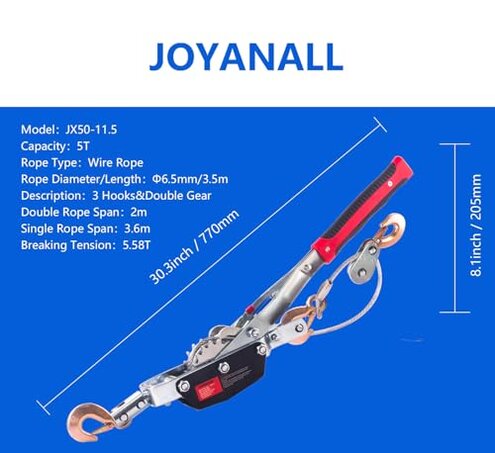
Main regret comes from inconsistent engagement and release control during real, tense pulls. That risk feels higher than normal for a mid-range come-along because it adds extra checks right when you need predictability. If you need dependable control for recovery or near-limit tasks, you should avoid this and choose a steadier mid-range alternative.
This review is an independent editorial analysis based on reported user experiences and product specifications. NegReview.com does not sell products.