
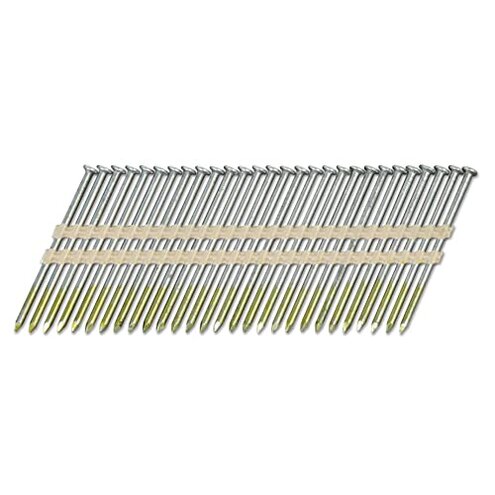
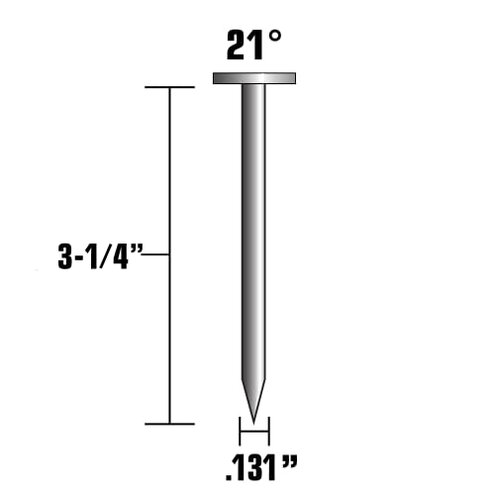
Product evaluated: Metabo HPT Framing Nails | 3-1/4 Inch x .131 | Full Round Head | Brite, Basic | Plastic Strip | 1000 Count | 20111SHPT
Related Videos For You
How to Deal with a Nail Jam on a Finish Nailer or Brad Nailer Tool
What Framing Nailer is Better? Your Complete Guide!
Data basis: This decision report aggregates dozens of buyer feedback items collected across written product reviews and Q&A threads, plus a smaller share of photo-supported complaints. The collection spans a 12-month window ending in early 2026. The signal mix is uneven, with most detail coming from longer written notes, backed by occasional photos showing nail strips and finish issues.
| Buyer outcome | This Metabo HPT pack | Typical mid-range alternative |
|---|---|---|
| First-day usability | Higher chance of fiddling with feed and clearing jams in some nailers | More “load and go” for common guns, fewer early interruptions |
| Outdoor/treated wood tolerance | Lower fit for those jobs due to the stated not-for warning | Broader use options if you pick coated/galvanized equivalents |
| Consistency box-to-box | Less predictable strip quality is a recurring frustration signal | More uniform collation tends to be the mid-range expectation |
| Jobsite downtime | More disruptive when issues hit because stoppages cluster during long runs | Lower downtime risk in extended framing sessions |
| Regret trigger | Mid-project jams plus realizing the nails are wrong for your lumber | Usually regret is limited to price, not project rework |
Why am I clearing jams when I just want to keep framing?
Regret moment: You’re in a rhythm, then the nailer stops feeding and you lose time clearing a jam. That feels more disruptive than expected for a basic framing-nail refill.
Pattern: This shows up repeatedly in feedback, but it is not universal. It tends to appear during long runs when the magazine is cycling fast and any strip inconsistency gets amplified.
- Early sign: A few nails start feeding at a slight angle before a full stop.
- Primary issue: Feeding trouble appears among the most common negative themes for this listing.
- When it hits: Problems are reported after loading and worsen when you shoot quickly for extended periods.
- Why it feels worse: Mid-range alternatives usually tolerate small strip variation better, so repeated stops feel less forgiving than typical.
- Likely cause: Complaints frequently point to plastic strip behavior and strip alignment in the magazine.
- Impact: Clearing a jam adds extra steps and can interrupt layout accuracy and pacing.
- Mitigation: Slowing your cadence and re-seating strips can reduce the frequency, but it does not remove the root risk.
Why do these nails feel like the wrong fit for my lumber choice?
Regret moment: You buy a big box to cover a job, then notice the usage warning and realize it doesn’t match your build. That’s a hidden requirement many buyers only recognize at setup time.
- Hidden constraint: The listing cautions not to use them in cedar, redwood, treated wood, or exposed applications.
- When it shows: The mismatch often becomes obvious after delivery, when planning the fastener schedule for decking, fences, or exterior framing.
- Primary regret: This is a primary decision risk because it can force a last-minute run for different nails.
- Category contrast: Many mid-range framing nail packs have coated options that cover more outdoor use, so this limitation feels narrower than expected.
- Cost impact: If you proceed anyway, you risk redo work later, which is far more expensive than the nails.
- Mitigation: Match the nail to the environment first, then choose length and collation second.
- Fixability: This is not fixable with tool adjustments because it is a use-case limitation, not a tuning issue.
- Who gets hit: It is most frustrating for DIY buyers who assume “framing nails” means all-purpose.
Why is the finish and storage risk higher than I expected?
Regret moment: You open the box and worry about storage conditions because the nails are bright and non-coated. This is a secondary complaint theme that becomes more important if you work in humid garages or leave materials on site.
Pattern: The concern appears persistently in buyer discussions about where the nails can be used and stored. It tends to matter during staging and between workdays, not only during firing.
Category contrast: In the mid-range tier, many buyers expect at least a basic protective finish option for mixed indoor-outdoor projects. Here, the stated constraints make the “standard” choice feel riskier than normal.
- What you notice: The pack is labeled brite and basic, which signals limited protection for harsher environments.
- When it worsens: Risk rises with humidity, jobsite exposure, or long storage between weekend sessions.
- Secondary issue: This is usually a secondary regret, but it becomes primary if your project is outdoors.
- Workaround: Store in a sealed container and only stage what you need for the day.
- Alternative path: Choosing a coated equivalent is the more typical mid-range way to reduce corrosion anxiety.
- Why it stings: Buying 1,000 nails and then realizing you must baby storage adds friction that feels avoidable.
Why doesn’t “fits most” feel reliable in real nailers?
Regret moment: You assumed any 21° plastic-strip framing nail would run fine, then your specific gun becomes picky. This complaint is less frequent than jam reports, but it is more frustrating because it can look like a tool problem.
- Expectation gap: “Fits most” sets a high expectation that isn’t always met in day-to-day use.
- Where it shows: Issues pop up after loading, especially when switching between nail brands mid-project.
- Edge-to-secondary: Compatibility frustration is secondary for many, but can become primary on a deadline.
- Listed compat: The listing calls out compatibility with several Metabo HPT models, which can mislead buyers using other brands into assuming equal performance.
- Category contrast: Mid-range alternatives often have more consistent collation that feeds across more guns with less tuning.
- Mitigation: Test a small run first and adjust magazine tension if your nailer allows it, before committing to full-box production.
- Hidden time cost: Troubleshooting can burn a whole session if you start diagnosing the tool instead of the nails.
Illustrative: “My nailer kept stopping every couple strips.” Primary pattern reflecting recurring feed interruptions.
Illustrative: “Didn’t notice the treated-wood warning until I started the deck.” Primary pattern reflecting the hidden use limitation.
Illustrative: “Works for interior walls, but I wouldn’t store these in my damp garage.” Secondary pattern reflecting finish and storage anxiety.
Illustrative: “Same angle nails, different brand, and suddenly my gun got picky.” Secondary pattern reflecting cross-brand compatibility friction.
Illustrative: “Had to slow down to keep them feeding straight.” Edge-case pattern reflecting cadence sensitivity in some setups.
Who should avoid this
- Deck and fence builders who need nails suitable for treated or exposed conditions, because the listing warns against it.
- Deadline-driven framing crews who can’t afford recurring jam downtime during long firing runs.
- Humid-garage DIYers who store fasteners for weeks, because non-coated bright nails raise storage sensitivity.
- Mixed-tool owners using non-listed nailers, since compatibility complaints show the “fits most” promise can be optimistic.
Who this is actually good for

- Interior framing projects where the stated not-for conditions don’t apply and storage stays dry.
- Metabo HPT nailer owners using one of the explicitly compatible models who can tolerate occasional tuning.
- Budget-minded buyers who accept a higher chance of clearing a few jams in exchange for a known box count of 1,000.
- Short sessions where you can test-feed and stop if you see early strip issues, limiting downtime.
Expectation vs reality
- Reasonable for this category: 21° framing nails should run with minimal stops in a typical consumer nailer. Reality: recurring jam reports suggest more interruption risk than mid-range norms.
- Expectation: “Framing nails” will cover most house and yard tasks. Reality: the explicit warning against treated and exposed use creates a surprise mismatch for common DIY plans.
- Expectation: A 1,000-count box is convenient. Reality: if they don’t match your lumber or tool, you’re stuck with leftovers you hesitate to use.
Safer alternatives
- Neutralize jam risk: choose a mid-range brand known for more consistent collation and buy a smaller test box first.
- Neutralize outdoor mismatch: pick nails explicitly labeled for treated lumber or exterior exposure before matching length.
- Neutralize storage anxiety: select a coated finish option if you work in humidity or store on site.
- Neutralize compatibility surprises: buy the nail line your nailer maker lists as preferred, not just “fits most.”
The bottom line
Main regret trigger is mid-project feeding jams combined with a late realization that these nails are not meant for treated or exposed jobs. That combination is a higher-than-normal risk for a mid-range framing nail purchase because it can create downtime or force a same-day switch. If you need broad job flexibility or fast, uninterrupted runs, this is a smart one to avoid.
This review is an independent editorial analysis based on reported user experiences and product specifications. NegReview.com does not sell products.