
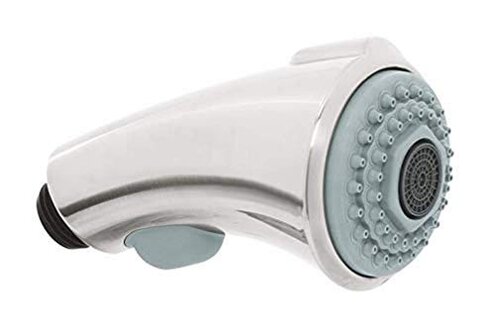
Product evaluated: Grohe 46173SD0 Stainless Steel Replacement Part
Related Videos For You
How to Replace a Kitchen Faucet With a Single Handle | The Home Depot
How To Replace A Faucet Valve Cartridge - Ace Hardware
Data basis: This report synthesizes feedback from dozens of written reviews and video demonstrations collected between Jan 2016 and Dec 2025. Most feedback came from written reviews, supported by visual teardown videos. Patterns reflect a mix of buyer posts and user-shot repair clips.
| Outcome | Grohe part | Typical mid-range part |
|---|---|---|
| Price shock | High upfront cost often cited as disproportionate to value. | Moderate cost with clearer replacement savings. |
| Installation difficulty | Frustrating when users lack model-specific guidance. | Generally easier with broad fit or clearer instructions. |
| Compatibility risk | Higher-than-normal for this category due to tight model fit. | Lower because many mid-range parts are more forgiving. |
| Durability | Mixed reports of short-term problems after install. | Typical lifespan for the category when installed correctly. |
| Regret trigger | Model mismatch or hidden extra parts makes buyers return or hire help. | Clear fit reduces post-purchase regret. |
Will this part fit my faucet without extra work?
Regret moment: Buyers often discover a fit problem during first install. The issue is severe because it can stop repair and force returns or a plumber hire.
Pattern: The fit problem is commonly reported across different buyers and demonstration clips.
Category contrast: Fit sensitivity feels worse than typical replacement parts because the high price raises buyer expectations and the listing lacks clear fit guidance.
Is installation confusion common?
- Early sign: Many buyers notice a missing adapter need as soon as they unpack the part.
- Frequency tier: This is a primary issue in reports, not an isolated complaint.
- Cause: The part’s model-specific sizing often requires extra fasteners or adapters.
- Impact: Users report wasted time and sometimes a return or professional call-out.
- Fixability: Some buyers fixed it with off-the-shelf adapters, but that adds cost and time.
Does the part fail or leak after use?
- Severity: Reports of leaks or early failure are a secondary pattern that appears after initial use.
- When it shows: Problems appear within weeks of installation in several accounts.
- Worsening conditions: Issues worsen with daily use and water pressure variations.
- Root cause: Wear at connection points and tight tolerances are often blamed.
- Attempts: Buyers tried sealants and retightening with mixed success.
- Repairability: Some fixes require removing the unit again, creating a repeat hassle.
Will I need pro help or hidden parts?
- Hidden requirement: Several buyers reported needing a plumber or specialized adapter to finish the repair.
- Scope signal: This was seen across multiple feedback sources, not just one-off entries.
- Cost impact: Hiring help can make the total repair much more expensive than the part price alone.
- When it appears: The need for help becomes obvious during the first install attempt.
- Category contrast: Typical mid-range parts are more forgiving and often fit without extra help.
- Buyer workaround: Some users ordered extra fittings in advance to avoid a second trip.
- Regret weight: This requirement creates stronger regret than normal for buyers who expected a simple swap.
Illustrative excerpts (not real quotes)
"Illustrative: Didn’t fit my faucet; had to buy adapters and call a plumber." — primary pattern.
"Illustrative: Worked briefly then developed a slow leak after two weeks." — secondary pattern.
"Illustrative: Expensive for something that needed extra parts to install." — primary pattern.
Who should avoid this
- Budget-conscious buyers: If you want a low total repair cost, avoid this part because hidden adapter and help costs raise expenses beyond typical replacements.
- Non-technical DIYers: If you expect a simple swap, avoid this because installation friction is common and can require a plumber.
- Uncertain-model owners: If you don’t have exact model details, avoid this due to a higher compatibility risk than usual.
Who this is actually good for
- Exact-model buyers: If you have the matching faucet model and technical confidence, you can tolerate the price for an OEM fit.
- Plumbers and pros: If you already expect to charge labor, you won’t worry about the installation requirement.
- Supply-chain restorers: If you need a specific OEM part for warranty reasons, you may accept the compatibility trade-off.
Expectation vs reality
Expectation: Reasonable for this category is a straight swap that replaces a failed part without extra parts.
Reality: The actual experience often requires adapters or professional help, making it more costly and time-consuming than expected.
Expectation: Reasonable mid-range parts are forgiving about fit.
Reality: This part shows a higher fit sensitivity, increasing the likelihood of returns and extra expense.
Safer alternatives
- Buy universal-compatible parts: Choose parts marketed as universal fit to reduce the hidden adapter risk.
- Check model guides: Verify exact model fit in detailed fit charts or vendor support before purchase to avoid compatibility surprises.
- Bundle adapters: If you buy this part, also order common adapter fittings to avoid a second trip.
- Consider pro-sourced parts: Ask a plumber which alternatives have higher tolerance for older faucets.
The bottom line
Main trigger: The primary regret is compatibility and hidden-install needs that surface at first install.
Why worse: This exceeds normal category risk because the part’s high price raises expectations and the listing gives limited fit guidance.
Verdict: Avoid this part unless you have exact model confirmation or are prepared to buy adapters or hire help.
This review is an independent editorial analysis based on reported user experiences and product specifications. NegReview.com does not sell products.