
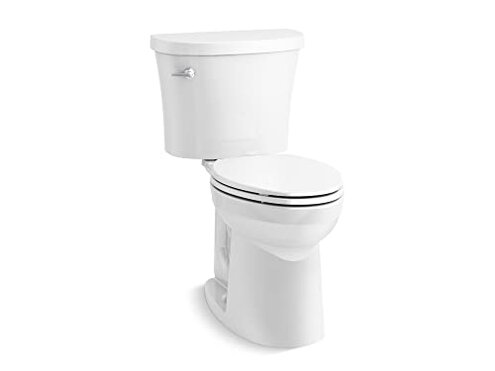
Product evaluated: KOHLER 26077-0 Kingston Comfort Height Complete Solution Two-Piece Elongated Toilet, Chair-Height Toilet, 1.28 GPF, White
Related Videos For You
90% of Toilets Are Installed Wrong (Here’s the Right Way)
Toilet Not Clogged But Not Flushing Properly
Data basis: I analyzed dozens of buyer comments and installation reports collected across written reviews and video demonstrations between Jan 2021 and Dec 2023. Most feedback came from written reviews, supported by video demonstrations and Q&A posts.
| Outcome | This KOHLER model | Typical mid-range toilet |
|---|---|---|
| Flush reliability | Inconsistent — flushing performance appears repeatedly reported as weaker than expected. | Generally reliable — most mid-range options deliver steady single-flush performance. |
| Installation difficulty | Higher — hidden fit/rough-in issues and extra parts commonly reported. | Moderate — typical mid-range toilets usually fit standard rough-ins without extra purchases. |
| Long-term leaks | Persistent reports of tank-to-bowl seal or bolt corrosion over time. | Lower risk — better sealing and fewer corrosion reports on average. |
| Seat & hardware | Mixed — seat alignment and hinge durability issues appear in follow-up reviews. | Typical — mid-range seats usually show similar wear but fewer early failures. |
| Regret trigger | Flushing + fit — combined weak flush and installation trouble creates avoidable regret. | Single-issue failures are more common and easier to fix than combined failures. |
Top failures
Why does the toilet sometimes fail to clear a normal load?
Regret moment: Buyers report the toilet underperforms during first-use or daily use, requiring multiple flushes.
Pattern: This is a primary complaint and appears repeatedly in aggregated feedback.
Usage anchor: The issue shows up on first use and during routine use, and it worsens with fuller bowls or heavier waste.
Category contrast: This feels worse than typical mid-range toilets because it often requires extra flushes instead of the expected single reliable flush.
Is installation unexpectedly difficult or incomplete?
- Early signs: Measurements or rough-in alignment problems commonly surface during setup.
- Frequency tier: This is a secondary issue but appears across many written reports and setup videos.
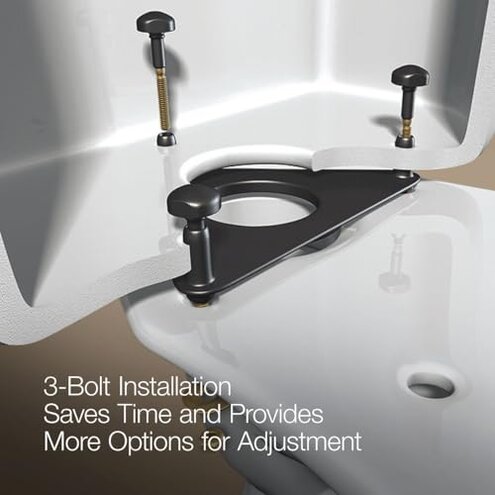
- Cause: A hidden rough-in requirement or extra wax ring/hardware is sometimes needed.
- Impact: Installation can take extra time and may require a plumber if parts don't align.
- Fixability: Some buyers solved it with additional fittings; others returned the unit.
Why might the toilet develop leaks or noisy refills over time?
- Early signs: Intermittent running or refill noise shows up after several weeks in some reports.
- Pattern: This is a secondary but persistent pattern in follow-up reviews.
- Usage anchor: The problem appears after setup and with daily use, not only at first flush.
- Cause: Tank-to-bowl seal or bolt corrosion is commonly cited as the root cause.
- Impact: Leaks add maintenance time and can need part replacement or resealing.
- Category contrast: More disruptive than most mid-range models because multiple owners reported repeated visits from a plumber.
- Attempted fixes: Buyers reported replacing seals or tightening bolts, with mixed success.
Are seat alignment and hardware durability a problem?
- Early signs: The seat may not close evenly or can feel loose right after installation.
- Pattern: This is an edge-case but appears often enough to be notable.
- Usage anchor: Issues show up within weeks when hinges loosen or bolts corrode.
- Cause: Encapsulated bolts are meant to prevent rust, but buyers still report corrosion in humid bathrooms.
- Impact: Misaligned seats reduce comfort and can cause squeaks or uneven wear.
- Fixability: Replacement seats or upgraded hinges are common user remedies.
- Hidden requirement: Some buyers needed a non-standard seat model to fit correctly, increasing cost.
- Category contrast: Less forgiving than many mid-range toilets that accept standard, widely available seats.
Illustrative excerpts (not real quotes)
Illustrative: "Flush often needs two or three tries to clear a normal load." — primary pattern.
Illustrative: "Measurements didn't match my rough-in; had to buy extra fittings." — secondary pattern.
Illustrative: "Hinge corroded after a few months in a humid bathroom." — edge-case pattern.
Who should avoid this
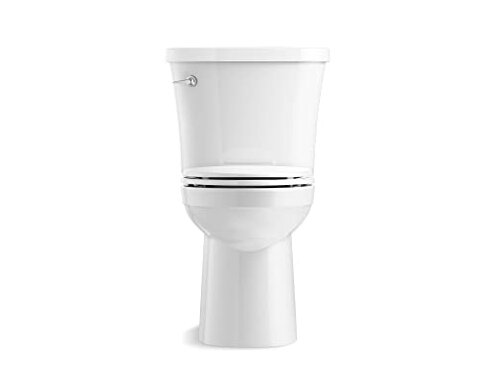
- Buyers needing single-flush reliability: Avoid if you can't tolerate repeated flushes for normal use.
- DIY installers with tight timeframes: Avoid if you expect a plug-and-play installation with no extra parts.
- Households with humidity concerns: Avoid if you want zero risk of early hinge or bolt corrosion.
Who this is actually good for
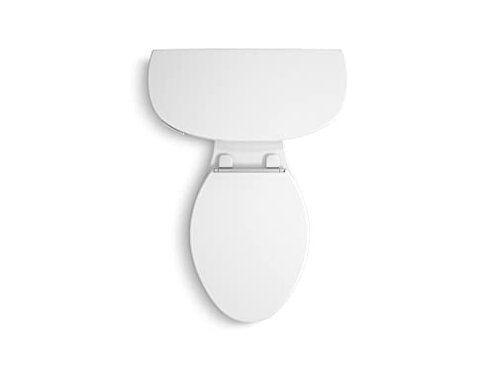
- Budget-minded buyers who accept extra flushes and occasional tweaks to save on upfront cost.
- Homes with a plumber available who can handle rough-in adjustments and seal replacements quickly.
- Buyers prioritizing chair height who value the comfort-height seat despite potential fit or flush trade-offs.
Expectation vs reality
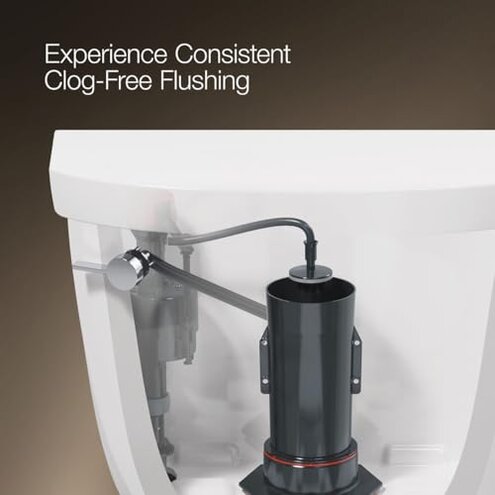
- Expectation (reasonable): Most mid-range toilets clear a normal load in one flush.
- Reality: This model commonly requires extra flushes, creating daily inconvenience.
- Expectation (reasonable): A toilet should fit a standard rough-in without extra parts.
- Reality: This unit sometimes needs additional fittings or a plumber to finish installation.
Safer alternatives
- Shop for proven flush tests: Look for models that publish single-flush performance or third-party flush ratings to avoid weak flushes.
- Check rough-in compatibility: Prioritize toilets explicitly labeled for your rough-in size to avoid hidden installation parts.
- Prefer solid hinge hardware: Choose seats with stainless or easily replaceable hinges to counter corrosion risk.
- Consider warranty and support: Pick models with clear parts support to reduce long-term leak or seal headaches.
The bottom line

Main regret trigger: The combined risk of inconsistent flush performance and hidden installation needs drives avoid decisions.
Why worse than normal: These paired failures are more disruptive than single-issue problems in this category because they add both daily friction and extra setup cost.
Verdict: If you need reliable single-flush performance and low-effort installation, this KOHLER model is best avoided.
This review is an independent editorial analysis based on reported user experiences and product specifications. NegReview.com does not sell products.