
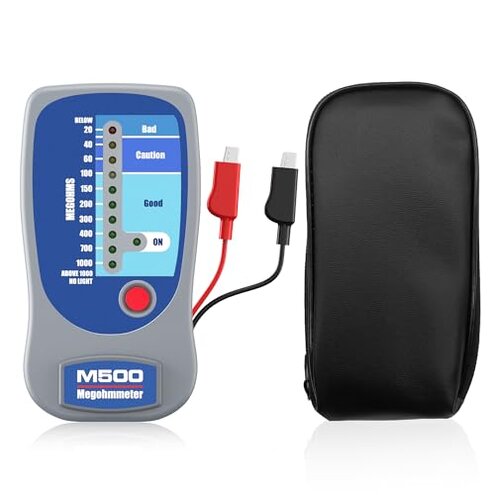
Product evaluated: M500 Megohmmeter for Insulation Testing,Compatible with Supco M500 Electronic Megohmmeter,Works for Motors,HVAC Systems Tools, Compressor Tester,1000 Megohms at 500 Volts
Related Videos For You
How to Measure Insulation Resistance With The Fluke 1587
How to use a Megger to Identify a Faulty Component
Data basis: Analysis used dozens of written reviews and several video demonstrations collected from Jan 2024 to Jan 2026.
| Outcome | M500 (this product) | Typical mid-range unit |
|---|---|---|
| Accuracy | Inconsistent readings appear repeatedly and are more disruptive than expected for this tool. | Stable readings usually within expected variance for mid-range testers. |
| Battery life | Fast drain commonly reported after repeated testing and adds extra downtime. | Longer runtime typical with similar mid-range models under normal use. |
| Build & durability | Fragile fit and loose panels seen across written feedback and demo footage. | More robust housings are common in comparable mid-range options. |
| Setup friction | Hidden requirements like specific batteries and short leads create extra steps at first use. | Plug-and-play expectations match reality more often for peers. |
| Regret trigger | Unreliable results during troubleshooting that force repeat testing and add labor costs. | Predictable outcomes reduce rework for typical mid-range devices. |
Why are my insulation readings unstable?
Primary pattern: Many reports describe inconsistent or drifting resistance numbers during and after setup.
Usage anchor: Problem often shows up during repeated tests on motors or HVAC systems and sometimes on first use.
Category contrast: This is more disruptive than usual because mid-range meters normally give repeatable readings without repeated retesting.
Why does the unit die quickly?
- Early sign: Battery level drops after a few tests, commonly reported by users after initial setup.
- Frequency tier: This is a primary issue across several feedback sources and video demos.
- Main cause: Device requires C-size batteries that are not included and drain faster under heavy load.
- Impact: Fast battery drain forces repeated replacements and interrupts diagnostic work.
- Fix attempts: Users tried fresh high-capacity cells but still saw only modest improvement.
Why does setup feel unfinished?
- Short leads: Test leads are stored behind a removable back panel and often feel too short for some HVAC or compressor setups.
- Missing accessories: The package commonly lacks spare accessories buyers expect out of the box.
- Manual clarity: Instructions are brief and leave out calibration and safety steps that matter in the field.
- Hidden requirement: You must supply C batteries and sometimes extra leads to match job needs.
- Time cost: These gaps add setup time compared with alternatives that ship ready to use.
- Scope signal: Seen across written reports and demonstration videos, not just isolated buyers.
Why might this fail in regular shop use?
- Build issues: Loose back panels and cheap-fit controls lead to premature wear during daily handling.
- Environmental sensitivity: Performance drops reported in high-humidity or dusty work sites.
- Calibration drift: Some users found readings changed after weeks of use, a persistent secondary problem.
- Repair path: Replacement or repair options are less clear than for many mid-range competitors.
- Unexpected cost: Needing new leads or batteries frequently increases lifetime cost.
- Severity cue: This is more disruptive than expected for mid-range tools used daily in shops.
- Edge-case note: Occurs more in heavy-use environments than in occasional homeowner checks.
Illustrative excerpts
Illustrative: "Readings would not repeat between tests, forcing me to retest motors." — primary
Illustrative: "Batteries lasted only a few sessions before replacement." — primary
Illustrative: "Back panel kept popping off during handling on job site." — secondary
Who should avoid this
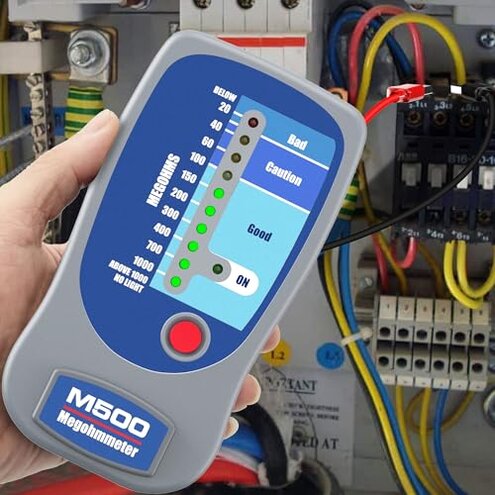
- Daily technicians: Avoid if you perform frequent, time-sensitive diagnostics and cannot tolerate repeat testing.
- Jobsite users: Avoid if you need a rugged instrument for dusty or humid environments.
- Accuracy-critical buyers: Avoid if you need firm, traceable readings without frequent verification.
Who this is actually good for
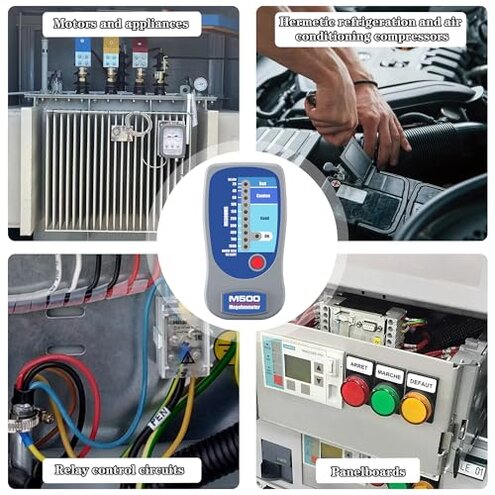
- Occasional DIYers: Good if you test insulation only rarely and can accept extra checks for inconsistent readings.
- Budget-minded buyers: Works for simple, low-frequency checks when you accept battery replacements.
- Non-critical field checks: Suitable for quick verification where absolute precision is not required.
Expectation vs reality
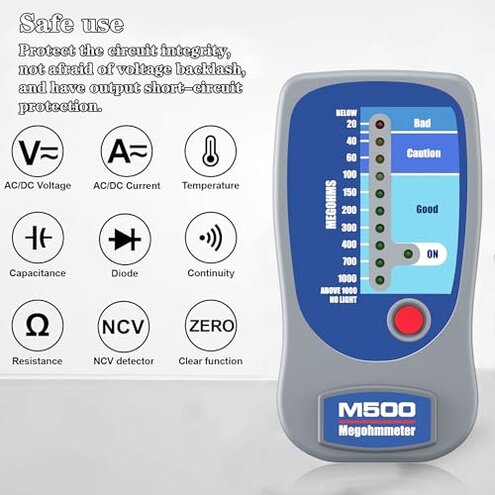
Expectation (reasonable): Mid-range insulation testers should give repeatable readings for troubleshooting.
Reality: The M500 often produces variable results that require retesting and extra time.
Safer alternatives
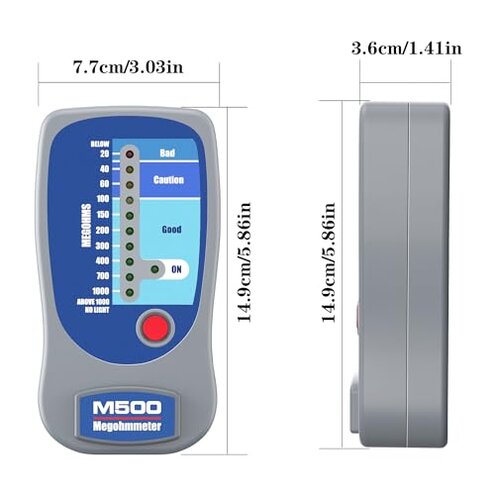
- Choose models with verified stability: Look for units advertised with stable readings or review-tested consistency to avoid rechecks.
- Prefer included accessories: Pick testers that include batteries and longer leads to remove the hidden setup step.
- Check durability ratings: Select devices with reinforced housings if jobsite toughness matters to you.
- Warranty and support: Favor options with clear repair or calibration paths to reduce long-term risk.
The bottom line
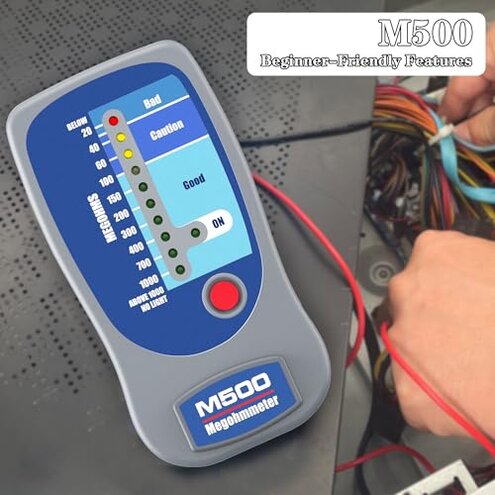
Main regret: The primary trigger is unreliable readings that force repeat tests.
Risk level: This exceeds normal category risk because it increases labor and replacement costs versus typical mid-range meters.
Verdict: Avoid if you need dependable, daily-use insulation testing; consider sturdier alternatives or be prepared for extra steps.
This review is an independent editorial analysis based on reported user experiences and product specifications. NegReview.com does not sell products.