
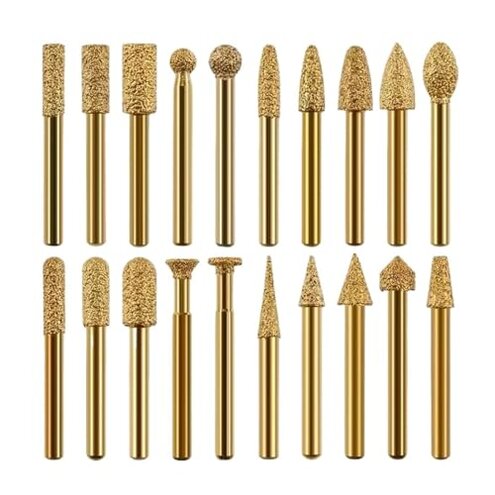
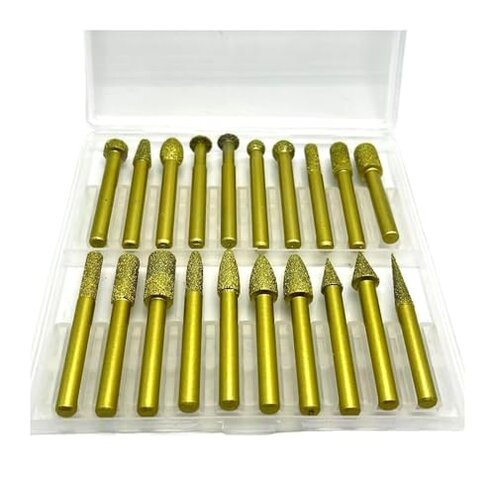
Product evaluated: Brazed Diamond Grinding Head 20PCS Set Cylindrical Metal Grinding Wheel 6mm Electric Drill Grinding Head Stone Carving Drill bit
Related Videos For You
Installing a Diamond Grinding Head on Your Glass Grinder
Rock Carving Dremel Bits
Data basis: This report is based on dozens of written reviews and video demonstrations collected between 2023 and 2025. Most feedback came from written reviews, supported by visual demos, and was aggregated to spot recurring problems and usage patterns.
| Outcome | This product | Typical mid-range alternative |
|---|---|---|
| Fit & compatibility | Loose in chucks: commonly reported poor fit in keyless chucks and variable adapters. | Tighter fit: usually designed to fit common drills with less wobble. |
| Durability / wear | Faster wear: appears repeatedly as rapid diamond loss after repeated use, higher-than-normal risk. | Longer life: mid-range bits normally hold up longer under the same use. |
| Vibration & balance | Noticeable wobble: often causes noise and poor cuts during high-speed runs (2800–3000 r/min). | Smoother rotation: alternatives usually offer better balance at similar speeds. |
| Set accuracy & value | Counting confusion: listing and packaging signals create expectation mismatch for some buyers. | Clear contents: mid-range kits typically list exact sizes and include adapters. |
| Regret trigger | Tool failure risk: loose fit plus fast wear leads to frustrated rebuys and extra adapters. | Lower risk: mids usually avoid combined fit and wear failures. |
Why do these bits wobble or feel loose in my drill?
Regret moment: Many users notice wobble immediately when mounting the bit, especially in keyless chucks. This wobble often worsens with higher RPMs and during the first minute of use.
Pattern: This problem is commonly reported across written reviews and video demos and is not universal but frequent enough to matter.
Category contrast: This feels worse than typical because mid-range grinding bits usually require one secure mounting step and then stay stable.
How quickly do the diamond surfaces wear down?
- Early signs: Users report loss of grit and reduced cutting within a few sessions on hard materials, appearing after repeated use.
- Frequency tier: This is a primary issue for many buyers, appearing repeatedly in different feedback types.
- Probable cause: Reports point to weak bonding of the grinding layer under heavy pressure or heat during use.
- Impact: Faster wear forces extra spending and reduces usable life, more disruptive than expected for this category.
- Fixability: Temporary fixes include lighter pressure and slower passes, but these reduce efficiency.
Are there hidden compatibility or content issues I should know about?
- Listing mismatch: Several buyers found the package and listing confusing, creating unmet expectations about count and sizes.
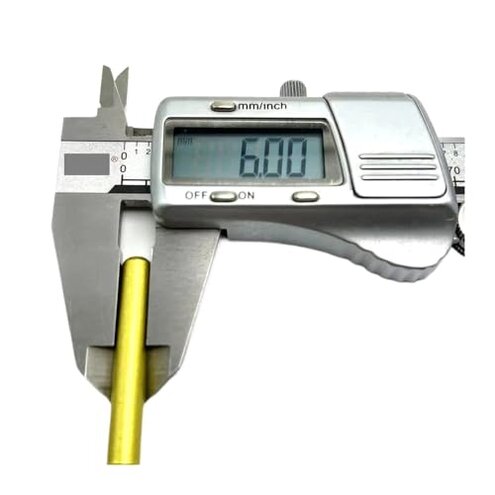
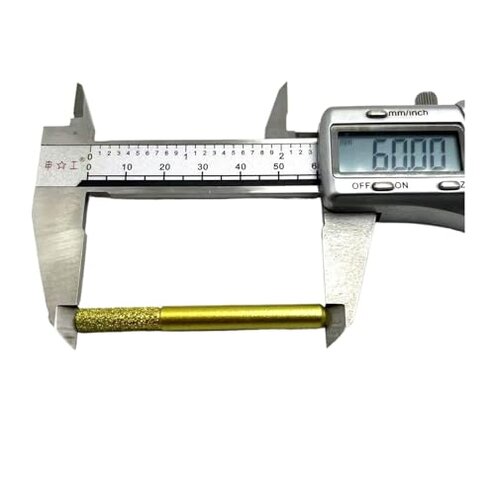
- Hidden requirement: Some setups require an adapter or collet to seat the 6mm shank properly, discovered at first mounting.
- Usage anchor: The adapter need appears during initial tool setup and when swapping between drills and die grinders.
- Why worse than normal: Most mid-range sets state adapter needs clearly; this product often leaves buyers troubleshooting.
- Attempted fixes: Buyers try shims, tighter chucks, and purchased adapters with mixed success.
- Residual impact: Adds extra time and cost before you can use the bits reliably.
- Edge-case risk: Users with non-standard chucks are especially likely to run into this problem.
Will vibration, noise, or imbalance ruin my work?
- Immediate effect: Wobble shows up during high-speed carving and creates rough cuts and tool chatter.
- Seen in demos: Video demonstrations repeatedly show vibration at normal operating speeds (2800–3000 r/min).
- Frequency tier: This is a secondary but persistent complaint across users who carve stone and glass.
- Cause: Possible uneven brazing or off-center shanks are commonly suggested by users.
- Impact on work: Vibration reduces precision and can damage delicate pieces faster than expected.
- Attempts: Some buyers rebalance with lighter speed, but that reduces cutting power.
Illustrative excerpts (not real quotes)
"Bit felt loose as soon as I tightened the chuck, wobbling at speed." — reflects a primary pattern.
"Diamond grit smoothed off after only a few uses on quartz." — reflects a primary pattern.
"Package listed 20 pieces but I received a different assortment than expected." — reflects a secondary pattern.
"Needed an adapter to fit my die grinder, which I hadn't planned for." — reflects an edge-case pattern.
Who should avoid this
- Precision carvers: Avoid if you need stable, wobble-free rotation for detailed finishing; the wobble complaint exceeds normal tolerance.
- Heavy users: Avoid if you plan long carving sessions; faster wear appears repeatedly after repeated use.
- Buyers expecting plug-and-play: Avoid if you lack spare adapters or collets, because hidden adapter needs add steps and cost.
Who this is actually good for
- Occasional hobbyists: Good if you do light, infrequent carving and can tolerate shorter bit life for a lower upfront cost.
- Experimenters: Good if you are willing to test adapters, rebalance tools, and accept inconsistent counts to save money.
- Non-critical rough work: Good for coarse grinding where precision and longevity are not required.
Expectation vs reality
Expectation (reasonable for this category): Buyers expect a 6mm shank to mount securely in common drills without extra parts.
Reality: Many users must buy adapters or fiddle with chucks, which adds time and expense before use.
Expectation (reasonable for this category): Diamond-coated heads usually last multiple sessions on hard materials.
Reality: Reports show quicker wear when used on hard stone and glass, making replacement more frequent than typical.
Safer alternatives
- Buy matched adapters: Choose sets that include specific collets for 6mm shanks to neutralize the compatibility failure.
- Prefer balanced kits: Look for products marketed with "balanced for high RPM" to avoid vibration and wobble issues.
- Select bonded-braze claims: Pick bits that specify reinforced brazing or longer wear-life to reduce rapid wear risk.
- Check contents clearly: Buy kits that list exact piece counts and sizes to avoid counting and assortment confusion.
The bottom line
Main regret trigger: The combination of loose fit, wobble, and faster-than-expected wear is the main reason buyers regret this set.
Why it exceeds category risk: These failures compound — compatibility issues force workarounds that then worsen balance and wear, more disruptive than usual.
Verdict: Avoid this kit if you need reliable fit, long life, and low vibration; it may be acceptable only for low-duty, experimental use.
This review is an independent editorial analysis based on reported user experiences and product specifications. NegReview.com does not sell products.