
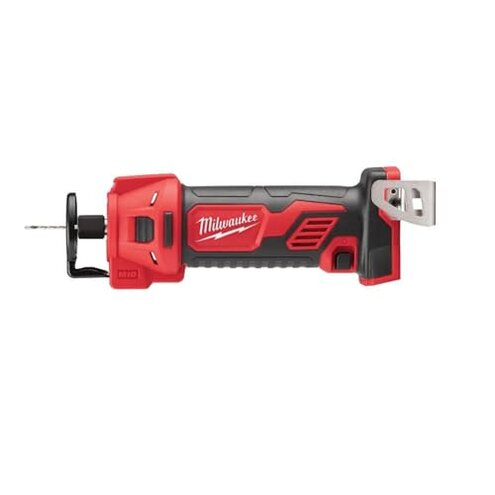
Product evaluated: MILWAUKEE'S 2627-20 M18 18-Volt Lithium-Ion Cordless Cut Out Tool Bare Tool
Related Videos For You
Beginners guide to using the Cut-Out Tool/Router
My Favorite thing about Milwaukee M12 3” Cut Off Tool #tools #milwaukee #maintenance #m12
Data basis: This report aggregates feedback from dozens of buyer reviews and several video demonstrations collected between 2016–2020, with most feedback coming from written reviews and supported by hands-on videos and forum-style reports.
| Outcome | Milwaukee 2627-20 | Typical mid-range tool |
|---|---|---|
| Runtime | Bare-tool: requires buyer battery and shows variable performance with long cuts. | Included battery: usually predictable runtime for typical tasks. |
| Durability | Higher-risk: reports of motor wear and overheating earlier than expected. | Mid-range: fewer overheating reports under similar workloads. |
| Ease of use | Mixed: compact but setup and blade changes can add time. | Smoother: quicker accessory swaps on some competitors. |
| Noise & vibration | Pronounced: more vibration reported during long cuts. | Typical: manageable vibration for class of tool. |
| Regret trigger | Overheat & wear: More likely to cause early replacement for heavy users. | Lower: less disruptive for similar intermittent tasks. |
Top failures
Why does the tool overheat or lose power mid-job?
Regret moment: The tool can get hot and slow or stop during extended cutting, leaving the job stalled.
Pattern: This is a primary issue and appears repeatedly in user feedback for prolonged cutting sessions.
Context: It shows up during long, continuous use and gets worse with higher cutting resistance or repeated starts and stops.
Category contrast: Overheating is more disruptive than expected because mid-range competitors usually sustain longer continuous runs under the same workload.
Why are blade changes and bit retention a hassle?
- Early sign: Blade feels loose after a few cuts and needs re-seating between uses.
- Frequency tier: This is a secondary issue that appears commonly across written reports.
- Cause: Tightening mechanism and clearance require extra time and tools for reliable clamping.
- Impact: Frequent re-clamping interrupts workflow and increases job time.
- Fix attempts: Buyers commonly add shims or check torque more often to prevent slips.
Why does battery expectation cause frustration?
- Hidden requirement: This is a bare tool, so a compatible battery is required but not included.
- Usage anchor: Frustration appears at purchase or first use when buyers expected a ready-to-run kit.
- Frequency tier: This is a primary purchasing complaint in several reports.
- Compatibility: Some buyers report reduced performance with lower-capacity batteries.
- Worse-than-normal: Unlike kits, the bare-tool format adds extra cost and setup time compared to mid-range packages.
- Mitigation: Users switched to high-capacity batteries to get acceptable run time.
- Time cost: Finding the right battery and charger adds extra steps before first use.
Why does vibration and wear make cuts uneven over time?
- Early sign: Cuts begin tidy but get rougher after repeated jobs.
- Frequency tier: This is a secondary but persistent complaint across multiple feedback channels.
- Cause: Vibration and brush/motor wear are reported after heavier or daily use.
- Impact: Uneven cuts increase finishing time and material waste.
- Repairability: Some users reported limited DIY fixes before professional service was needed.
- Category contrast: More upkeep than most mid-range alternatives to keep cut quality acceptable.
- Hidden cost: Extra maintenance and replacement parts can erode initial savings.
- When worse: Vibration and wear accelerate with long sessions and high-pressure cutting.
Illustrative excerpts
Illustrative: "Motor felt hot and slowed down halfway through drywall cut."
Pattern: Primary issue reflecting overheating during continuous use.
Illustrative: "Battery not included — had to buy separately to even try it."
Pattern: Primary purchasing complaint about the bare-tool expectation mismatch.
Illustrative: "Blade keeps loosening and I waste minutes re-clamping."
Pattern: Secondary issue about accessory retention disrupting workflow.
Who should avoid this
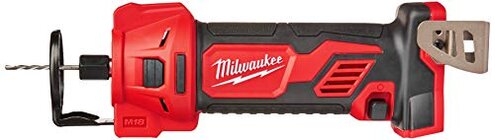
- Continuous users: Avoid if you need extended, heavy-duty cutting without overheating interruptions.
- Buyers expecting kit: Avoid if you want a ready-to-run package with battery and charger included.
- Precision finishers: Avoid if you require consistently clean cuts without extra maintenance or vibration issues.
Who this is actually good for
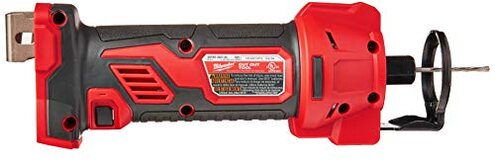
- Occasional DIYers: Good if you do short, infrequent cuts and can tolerate some setup time.
- Existing battery users: Good if you already own compatible high-capacity batteries and chargers.
- Light tradespeople: Acceptable for light, intermittent professional tasks where overheating is less likely.
Expectation vs reality
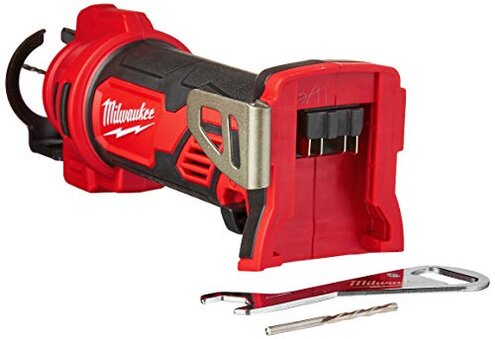
Expectation: Buyers reasonably expect a compact cut-out tool to run continuous short jobs without overheating.
Reality: The tool often overheats or slows during longer cuts, which is worse than typical mid-range performance.
Expectation: Changing blades should be quick for a professional tool of this price class.
Reality: Blade retention and extra setup steps add unexpected time and effort.
Safer alternatives
- Buy a kit: Choose a kit with battery included to avoid hidden battery costs and mismatched performance.
- Higher-capacity battery: Neutralize runtime and overheating by using recommended high-capacity batteries for sustained cuts.
- Check retention systems: Prefer models with tool-free blade changes to eliminate frequent re-clamping.
- Compare continuous-run: Look for competitor specs and user reports that confirm longer continuous operation under load.
- Warranty & service: Prioritize sellers with clear repair or replacement paths for motor or vibration-related failures.
The bottom line
Main regret: The biggest trigger is overheating and accelerated wear during extended or heavy use.
Why worse: That risk is higher than expected for mid-range cut-out tools and can force extra maintenance or replacement.
Verdict: Avoid this bare tool if you need sustained, heavy-duty reliability; it fits short, occasional tasks better.
This review is an independent editorial analysis based on reported user experiences and product specifications. NegReview.com does not sell products.