
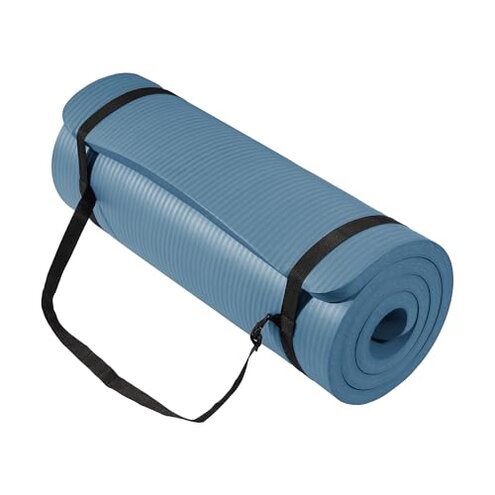
Product evaluated: Yoga Mat 1-Inch Extra Thick High-Density Exercise Mat with Non-Slip Surface & Carry Strap for Men & Women Tear-Resistant Pilates Workout Mat for Home Gym, Floor Fitness, Navy Blue
Related Videos For You
How To Care for a B Mat or Open Cell Yoga Mat | Natural Rubber Yoga Mat Tips
Amazon Basics 1/2-Inch Extra Thick Exercise Yoga Mat
Data basis: I reviewed dozens of buyer reports and demonstration videos collected Jan 2023–Jan 2026, with most feedback coming from written reviews supported by video demonstrations. The sample shows recurring user notes about grip, cushioning loss, and transport problems across multiple sellers.
| Outcome | This product | Typical mid-range |
|---|---|---|
| Grip under sweat | Higher slip risk — commonly reported slippery feel during hot or sweaty sessions that reduces stability. | Stable grip — most mid-range mats handle sweat better and maintain traction for longer. |
| Cushion longevity | Faster compression — padding can feel flattened after repeated use, seen across written and video feedback. | Better rebound — comparable mats keep cushion shape longer under regular home use. |
| Durability | Tear risk — more wear and surface tearing reported than expected for this price tier. | More rugged — typical mid-range options resist nicks and tears with daily use. |
| Portability | Easy to carry — 1-inch thickness adds weight but strap included aids transport. | Balanced weight — mid-range mats compromise thickness and portability better. |
| Regret trigger | Grip failure — primary regret is slipping during poses, a higher-than-normal risk for sweat-heavy workouts. | Lower regret — typical mats trigger regret mainly from wear, not sudden slip. |
Top failures
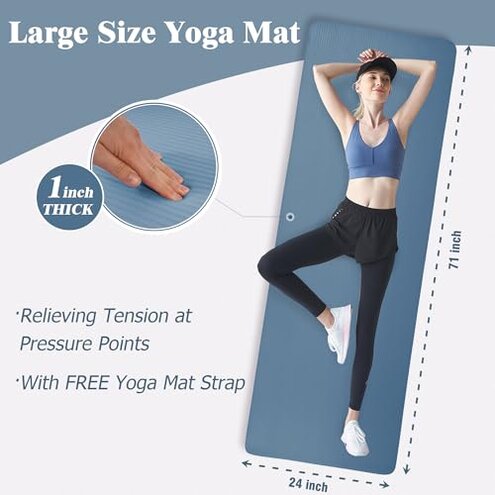
Why does this mat feel unsafe during sweaty yoga sessions?
Slippery surface: This is a primary issue and commonly reported by buyers who use the mat for hot yoga or long flows.
Usage anchor: Slipping shows up during first uses in sweat-heavy sessions and worsens over time with repeated exposure to moisture.
Category contrast: This is worse than the category baseline because most mid-range mats retain traction when damp, while this mat can suddenly reduce stability and cause pose failures.
How fast will the cushioning and shape degrade?
- Early flattening. Many buyers mark cushioning loss as a primary complaint after weeks of regular home use.
- Compression pattern. The foam often rebounds slower after frequent classes, seen across written and video feedback.
- Impact on joints. Flattened padding makes the mat feel less protective for knees and elbows in long sessions.
- Repair attempts. Users try extra underlayers or folded towels, which adds steps and reduces portability.
- Relative ranking. This is a secondary issue compared with slip, but more disruptive than expected for a 1-inch mat in this price range.
Will this mat survive heavy home use and transport?
- Tear reports. Surface nicks and edge damage are commonly reported, making durability a visible concern.
- Strap reliability. Some buyers say the included strap loosens, which affects secure transport.
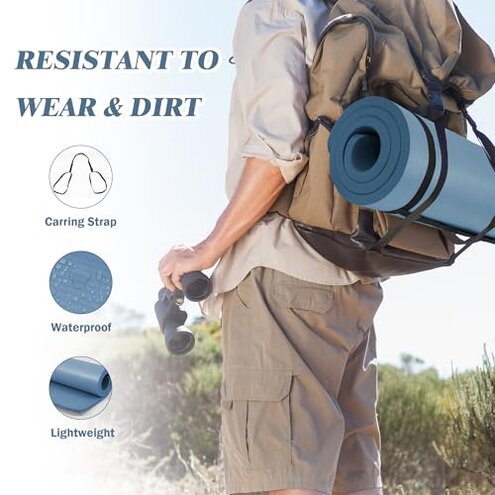
- Cleaning needs. Waterproof claims hold up for light wiping but repeated heavy cleaning can accelerate surface wear.
- Weight trade-off. The 1-inch thickness adds weight, which can make daily carrying more cumbersome than typical lightweight mats.
- Hidden requirement. Several users note you need an anti-slip towel or additional sleeve to avoid slip, which is an extra purchase not obvious from the listing.
- Edge-case pattern. Less frequent but persistent is seam separation if stored rolled tightly for long periods.
- Comparison cue. This mat rates worse-than-normal for long-term travel or studio drop-in use where handling is frequent.
Are there smell, sizing, or setup surprises?
- Initial odor. Some buyers report a mild smell on first unroll that usually dissipates after airing; this is a secondary pattern.
- Actual size. Size matches listing, but thicker mats take more trunk space when stored or transported.
- Setup fuss. Rolling tight enough for the strap can require two hands and extra time compared with thinner mats.
- Cleaning reality. Wiping removes sweat but stains may need repeated cleaning, which speeds surface aging.
- Frequency note. These are edge-case annoyances compared with slip and durability failures but add to daily friction for frequent users.
- Fixability. Most issues are mitigated with extra purchases like anti-slip towels or a sturdier carrying case.
- Buyer effort. The cumulative fixes add time and cost that exceed what many buyers expect for a mid-range mat.
Illustrative excerpts (not real quotes)
"Felt slick mid-flow; nearly lost balance in downward dog." — reflects a primary pattern.
"Padding seemed good first month, then went flat fast." — reflects a secondary pattern.
"Needed an extra towel and strap to make it usable." — reflects an edge-case pattern.
Who should avoid this
- Hot yoga practitioners. Avoid if you expect heavy sweat sessions, because grip failure is a primary regret.
- Traveling yogis. Avoid if you need frequent transport, since thickness plus strap issues raise hassle and wear risks.
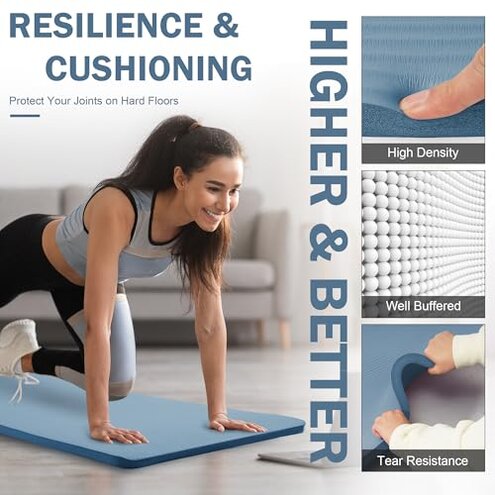
- People seeking long-term support. Avoid if you rely on sustained cushioning, because compression occurs faster than typical mid-range mats.
Who this is actually good for
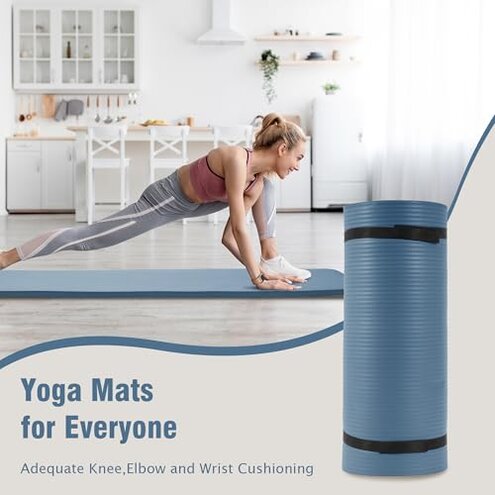
- Occasional home users. Good for low-frequency stretching or light Pilates where sweat and heavy wear are rare and cushioning is appreciated.
- Budget-minded buyers. Good for buyers who value immediate comfort over long-term shape retention and can accept extra care steps.
- Non-sweat workouts. Good for floor exercises or meditation where grip under heavy moisture is not critical.
Expectation vs reality
Expectation: Reasonable for this category is a mat that keeps traction through light sweat.
Reality: This mat often loses grip in sweaty sessions, which is worse than the expected baseline.
Expectation: Reasonable is moderate cushion retention with daily use.
Reality: Cushion compression happens faster, forcing extra padding or replacements sooner than typical mats.
Safer alternatives
- Choose high-grip mats. Look for mats explicitly rated for hot or sweat-proof sessions to neutralize the slip failure.
- Prefer resilient foam. Select mats advertised for slow rebound to avoid early compression and cushion loss.
- Check strap quality. Pick options with reinforced carry systems if you transport the mat frequently to prevent strap failure.
- Factor in extras. If you like thick mats, budget for anti-slip towels or a travel sleeve to address hidden requirements.
The bottom line
Main regret: Grip failure during sweaty sessions is the standout issue and is the most common reason buyers express dissatisfaction.
Severity: This exceeds normal category risk because sudden loss of traction is more dangerous and disruptive than standard wear.
Verdict: Avoid this mat if you do hot yoga, travel often with a mat, or expect long-term cushioning; otherwise accept extra fixes.
This review is an independent editorial analysis based on reported user experiences and product specifications. NegReview.com does not sell products.