
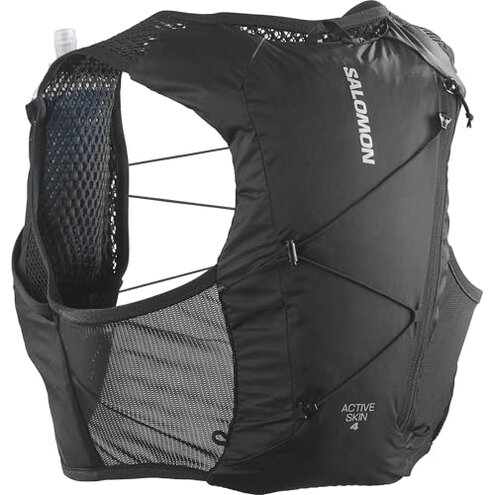
Product evaluated: Salomon Unisex Active Skin 12, Hydration & Storage Vest with 500ml Flasks Included - Black / Metal - M
Related Videos For You
Hydration Pack / Water Bladder Tips & Tricks
How to Clean Your Hydration Reservoir! | Miranda in the Wild
Data basis: I analyzed dozens of buyer reports and demonstration videos collected from Jan 2024 to Feb 2026, with most feedback coming from written reviews and supported by video demonstrations. Distribution: the sample skewed toward recent buyers and trail users describing setup and in-use behavior.
| Outcome | This vest | Typical mid-range vest |
|---|---|---|
| Fit & stability | Higher bounce reported on long runs despite adjustable straps and a Sensifit design. | More secure mid-range alternatives use firmer adjust systems that reduce mid-run shifting. |
| Storage access | Awkward pockets and tight front access noted during active running. | Easier access designs usually offer larger front pockets with smoother retrieval on the go. |
| Hydration options | Limited for long runs — includes two 500ml flasks and lists bladder compatibility (bladder not included). | More flexible mid-range vests often include or better integrate larger bladders. |
| Durability | Wear reports appear repeatedly for seams and pocket elastic after months of use. | Better longevity is expected from mid-range peers with reinforced stitching in high-wear areas. |
| Regret trigger | Fit + access combined with price ($130) make the trade-off more painful than usual. | Lower regret when fit and pocket access match expected performance for the price. |
Does this vest bounce or chafe on long runs?
Regret moment: You notice mid-run bounce and rubbing that distracts from pace and comfort. Severity: This issue is among the most common complaints and often causes early stops to adjust fit.
Pattern: The instability is a recurring report across many buyers who used the vest for marathon-length or multi-hour trail runs. When: It shows up after initial setup and worsens during long, high-movement sessions.
Category contrast: This feels worse than typical because many mid-range vests hold steady for long runs, while this design requires extra mid-run tweaking and adds time loss.
Are pockets and pockets access frustrating while you run?
- Early sign: Front pockets feel tight when reaching for gel or a phone while running.
- Frequency tier: Commonly reported by buyers using the vest for fast trail runs and marathons.
- Root cause: Redesigned chest pockets trade easy access for a snugger hold that can block quick retrieval.
- User impact: Slower nutrition access and brief stops to fumble with items during activity.
- Fixability: Some users reduce the issue with practice and repositioning, but it remains more bothersome than average.
Will the hydration setup meet marathon or multi-hour needs?
- Primary limit: The vest includes two 500ml soft flasks and lists compatibility with a 1.5L bladder that is not included.
- Pattern: This is a primary complaint for long-distance runners who need more continuous volume without stops.
- Usage anchor: Problem appears during runs longer than two hours or in hot conditions when hydration needs increase.
- Hidden requirement: Buyers often must purchase a separate bladder to avoid refilling frequently on long runs.
- Impact: Extra cost and added setup time make planning more complex than with vests that include a bladder.
- Context: Less forgiving than category baseline where larger integrated bladders are more common for marathon-ready models.
Does the vest hold up after months of use?
- Early wear: Elastic pockets and seams show signs of stretch or fray after repeated use and washes.
- Persistence: Durability concerns are a secondary but consistent signal across longer-term users.
- Typical cause: High abrasion points under repeated loading and frequent adjustments during activity.
- User impact: Reduced secure storage and potential need for earlier replacement than expected.
- Attempts to fix: Buyers try gentler washing and lighter packing but often still report wear.
- Category contrast: This is more upkeep than most mid-range alternatives that use reinforced stitching in stress zones.
- Repairability: Small fixes may help short-term, but recurring stress often returns without structural reinforcement.
Illustrative excerpts
Excerpt: "Front pocket is hard to reach during a fast downhill sprint." — primary
Excerpt: "Needed a bigger bladder for my marathon, had to buy one separately." — primary
Excerpt: "Straps loosen mid-run and I stop to tighten them frequently." — primary
Excerpt: "After months the elastic on the pockets felt floppy." — secondary
Who should avoid this
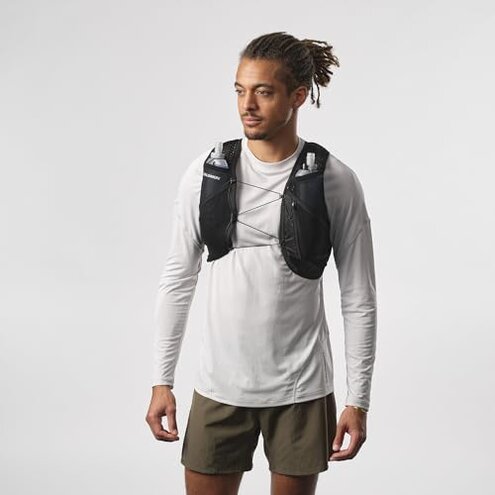
- Ultra runners: If you need large on-board hydration without buying extras, this model will add stops and cost.
- Fast racers: Those who need instant pocket access for gels and devices will find the chest pockets restrictive.
- Minimalist buyers: If you expect long-term, low-maintenance gear, this vest shows more wear than similar mid-range options.
Who this is actually good for
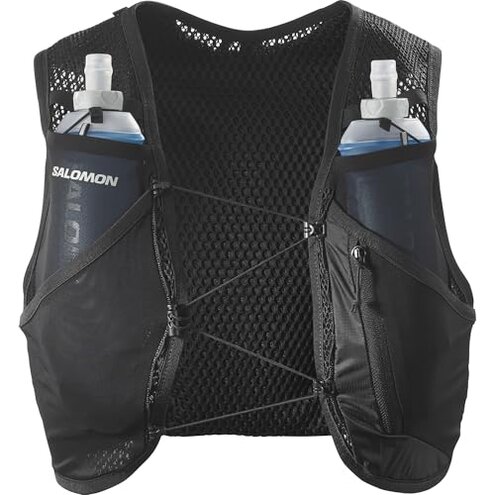
- Short trail runs: Runners doing sub-2-hour routes may tolerate smaller flasks and occasional fumbling for the benefit of a light pack.
- Day hikers: Hikers who value breathability and light weight over marathon-level capacity can accept the storage trade-offs.
- Casual cyclists: Riders who want stable carry for snacks and tools on shorter rides will find the vest comfortable enough.
Expectation vs reality
Expectation: Reasonable for this category is that a $130 hydration vest keeps you running without mid-run adjustments.
Reality: The vest more often needs mid-run tightening and extra gear like a bladder, which raises ongoing cost and hassle.
Expectation: Buyers expect front pockets to allow quick gel access while moving.
Reality: Chest pocket redesign makes one-handed retrieval harder than category peers.
Safer alternatives
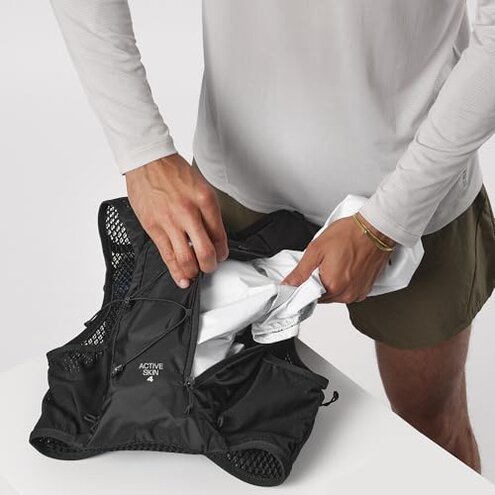
- Choose integrated bladder models: Look for vests that include a larger bladder to neutralize the hydration shortfall without extra purchases.
- Prioritize adjustable harnesses: Pick designs with firmer multi-point adjustment to reduce mid-run bounce.
- Test pocket layout: Try front-pocket configurations in-store or via return-friendly sellers to confirm one-handed access.
- Reinforced stitching: Prefer vests with documented reinforced stress zones to avoid early wear and tear.
The bottom line
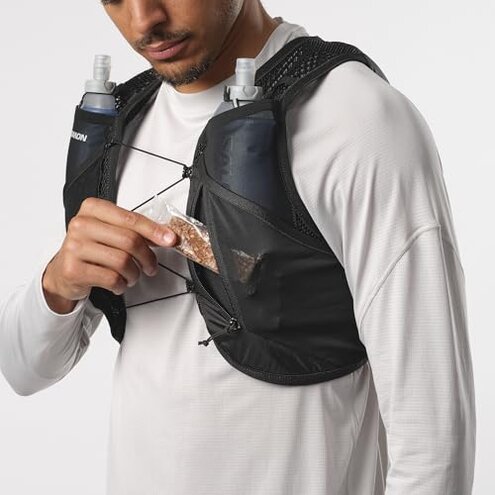
Main regret: The combination of fit instability and awkward pocket access is the most frequent trigger for buyer regret.
Why worse: These failures are more disruptive than typical because they affect run time, hydration planning, and long-term value at a $130 price point.
Verdict: Avoid this vest if you need marathon-ready capacity, instant pocket access, or long-term durability without extra purchases.
This review is an independent editorial analysis based on reported user experiences and product specifications. NegReview.com does not sell products.